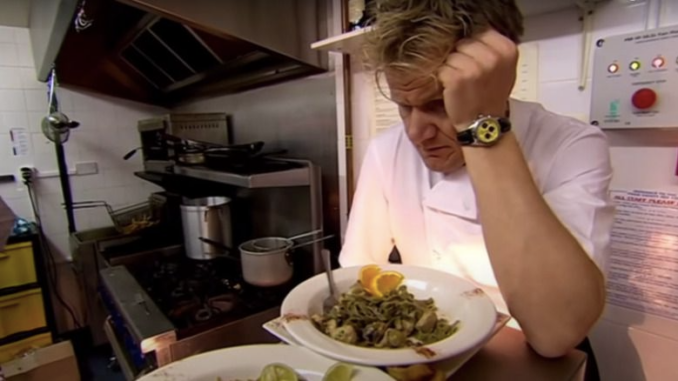
When Gordon Ramsay stepped into struggling restaurants on Kitchen Nightmares, the mission was clear: fix failing businesses, rebuild broken teams, and give owners a second chance. With dramatic confrontations, emotional breakthroughs, and rapid transformations, the show created some of the most compelling moments in food television. But long after the cameras stopped rolling, one question continues to haunt fans: what actually happened to those restaurants?
The answer, perhaps unsurprisingly, is mixed.
Some restaurants experienced a genuine turnaround. With improved menus, better management, and renewed motivation, a handful of businesses managed to survive—and even thrive—after Ramsay’s intervention. These success stories are often cited as proof that the formula works when owners fully commit to change. In these cases, the exposure from the show also played a crucial role, drawing curious customers eager to experience the “post-Ramsay” transformation for themselves.
However, not every story had a happy ending.
A significant number of restaurants featured on Kitchen Nightmares eventually closed their doors. The reasons vary: financial struggles, inability to maintain new standards, or a return to old habits once the immediate pressure of filming disappeared. Running a restaurant is notoriously difficult even under ideal conditions, and a few days of intensive guidance—no matter how effective—cannot guarantee long-term success.
One of the most talked-about examples is Amy’s Baking Company, a restaurant that became infamous for its chaotic episode and intense online backlash. Despite the surge in attention, the business ultimately closed, becoming one of the show’s most notorious cautionary tales. Its story highlighted how public perception can be just as impactful as operational changes.
On the other end of the spectrum, there are quieter success stories that don’t often go viral. Smaller establishments that embraced Ramsay’s advice, adapted to their market, and stayed consistent have managed to keep their doors open years later. These cases rarely generate headlines, but they reflect the potential of the show’s approach when paired with long-term discipline.
So why do so many restaurants struggle after appearing on the show?
Industry experts often point to sustainability. The changes implemented during filming are intense and immediate, designed for television impact. But maintaining those standards requires ongoing effort, financial stability, and strong leadership—factors that can’t be fully resolved in a short timeframe. In some cases, the very issues that led to the restaurant’s decline—such as poor management or internal conflict—resurface once the spotlight fades.
There’s also the pressure of sudden fame. Being featured on a globally recognized show can bring a surge of customers, but it also raises expectations. Restaurants must consistently deliver at a higher level while managing increased demand, which can strain already fragile systems.
Interestingly, Ramsay himself has acknowledged these challenges in interviews. He has often emphasized that his role is to provide a reset—a starting point rather than a permanent solution. What happens next, he suggests, depends entirely on the owners and their willingness to adapt.
The legacy of Kitchen Nightmares therefore lies somewhere between inspiration and reality check. It demonstrates both the possibilities of transformation and the harsh truth of the restaurant industry. Not every business can be saved, but every episode reveals the critical importance of leadership, consistency, and accountability.
For fans, revisiting these restaurants—whether through online updates, reviews, or personal visits—has become part of the experience. The show doesn’t end when the credits roll; it continues in the real-world journeys of the people and businesses involved.
Ultimately, the fate of these restaurants reinforces a simple but powerful idea: change is possible, but it’s never guaranteed. And in the high-stakes world of food service, survival requires more than a moment of intervention—it demands long-term commitment.