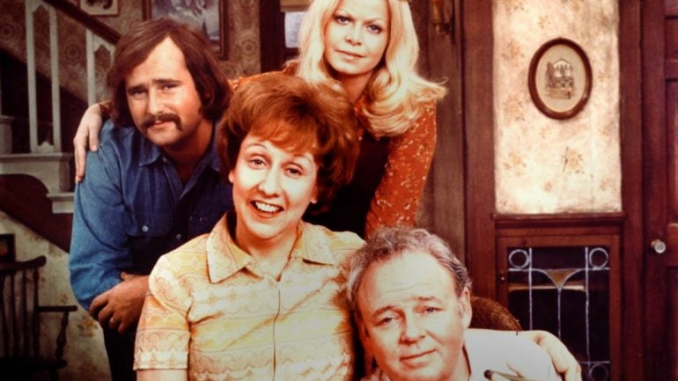
In the landscape of television history, few shows have left a mark as bold and enduring as All in the Family. Premiering in the early 1970s, it didn’t just entertain—it challenged, provoked, and forced audiences to confront uncomfortable truths about society, prejudice, and change. Decades later, its impact still echoes, reminding us that great storytelling isn’t just about laughter, but about reflection.
At the heart of the show is Archie Bunker, a character who is as controversial as he is unforgettable. Archie represents a mindset that many people recognize, whether from family members, neighbors, or even parts of themselves. His blunt opinions on race, gender roles, and politics are often shocking, but that’s precisely the point. The show doesn’t celebrate his views—it exposes them. Through humor, it reveals the flaws in rigid thinking and invites viewers to question long-held beliefs.
What makes All in the Family truly remarkable is its balance. It never becomes preachy, yet it constantly educates. The dynamic between Archie and his son-in-law Mike, who holds more progressive views, creates a tension that feels real and relatable. Their arguments are not just comedic—they reflect generational divides that still exist today. The show becomes a mirror, showing how society evolves through conflict, dialogue, and, sometimes, stubborn resistance.
Edith Bunker, often underestimated, is another powerful element of the story. Her kindness and quiet strength serve as a counterbalance to Archie’s harshness. She reminds us that empathy and patience can coexist with chaos and disagreement. In many ways, Edith is the emotional core of the show, proving that gentleness can be just as impactful as confrontation.
Beyond its characters, the show’s greatest strength lies in its courage. At a time when many sitcoms avoided sensitive topics, All in the Family addressed them head-on—racism, sexism, war, and economic struggles. It opened the door for future television to be more honest and daring. Without it, many of today’s socially aware shows might not exist.
Watching All in the Family today can feel like stepping into a time capsule, yet its themes remain strikingly relevant. Society may have progressed, but conversations about identity, equality, and understanding are far from over. The show reminds us that change doesn’t happen overnight—it happens through dialogue, discomfort, and a willingness to listen.
In the end, All in the Family is more than just a sitcom. It’s a cultural landmark that proves humor can be a powerful tool for change. It teaches us that even in the middle of conflict, there is room for growth—and that sometimes, the most meaningful conversations begin with laughter.