When people remember The Honeymooners, they usually think about Ralph Kramden shouting about another impossible business idea, Ed Norton smiling innocently while chaos unfolded, or Alice Kramden delivering one of her legendary sarcastic comebacks.
But longtime fans know there was another unforgettable presence inside that tiny Brooklyn apartment.
The kitchen table.
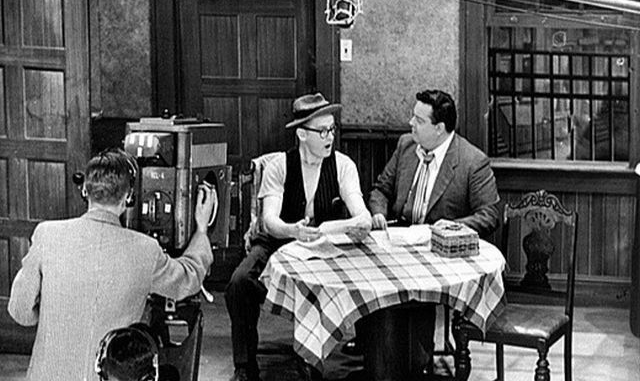
At first glance, it looked ordinary — small, simple, worn down, and squeezed into the modest Kramden apartment set. Compared to modern television productions filled with elaborate sets and expensive props, the table in The Honeymooners seemed almost invisible.
Yet over time, it quietly became one of the most recognizable objects in classic television history.
And in many ways, that table became the emotional center of the entire show.
Nearly every major moment in The Honeymooners somehow led back to it. Ralph sat there explaining his latest get-rich-quick scheme with complete confidence. Norton leaned across it while enthusiastically agreeing to terrible ideas. Alice stood nearby listening patiently before destroying Ralph’s fantasy with one perfectly timed sentence.
The table witnessed everything.
Arguments, dreams, frustrations, laughter, financial panic, friendship, and rare emotional moments all unfolded around that tiny piece of furniture. Week after week, audiences returned to the Kramden apartment and saw the same familiar setting waiting for them.
Eventually, the table stopped feeling like a prop.
It started feeling like part of the family.
What made the table so important was how perfectly it represented the world of The Honeymooners. Ralph and Alice were not wealthy television characters living glamorous lives. They were ordinary working-class people struggling to get through everyday life inside a cramped apartment.
The table reflected that reality.
It was plain. Functional. Slightly worn. Nothing about it looked impressive — and that authenticity made the show feel real. Unlike many television families of the 1950s who lived in polished suburban homes, the Kramdens felt relatable to ordinary viewers trying to survive paycheck to paycheck.
That realism became one of the reasons audiences connected so deeply with the show.
The table also played an important role in the show’s comedy itself. Ralph’s dramatic speeches somehow became funnier when delivered while leaning across that small kitchen table like a businessman presenting a million-dollar investment. Norton’s calm reactions felt even more absurd in the middle of such a tiny apartment space.
The closeness of the set forced the characters together physically, which made every argument, misunderstanding, and emotional moment feel more intense.
In many scenes, the table almost functioned like a stage inside the stage.
It was where plans began.
It was where dreams collapsed.
And it was where friendships survived every disaster.
Fans of classic television often point out that some of the greatest sitcoms are remembered not only for characters, but for spaces. The living room in All in the Family, the bar in Cheers, or the small-town streets of The Andy Griffith Show all became emotionally tied to the shows themselves.
For The Honeymooners, that emotional anchor was the kitchen table.
There is also something strangely symbolic about it today.
Ralph Kramden spent much of the series dreaming about escaping his ordinary life. He wanted wealth, success, and excitement far beyond the walls of his apartment. Yet no matter how outrageous his plans became, every episode eventually returned to that table.
In a way, the table represented reality.
It grounded the characters. It reminded viewers who they really were beneath the big dreams and loud comedy: ordinary people trying to build a life together.
That emotional honesty is one reason the show still resonates decades later.
Modern sitcoms often rely on flashy sets and constant movement, but The Honeymooners created unforgettable television using a tiny apartment and a few simple pieces of furniture. The show understood something timeless: strong characters and honest emotions matter more than spectacle.
And somehow, that little table captured all of it.
Even today, fans instantly recognize the Kramden apartment when they see it. The battered kitchen table sitting quietly in the middle of the room remains one of the most iconic images in sitcom history.
Not because it was glamorous.
But because it witnessed every laugh, every failure, every dream, and every moment of humanity that made The Honeymooners unforgettable.