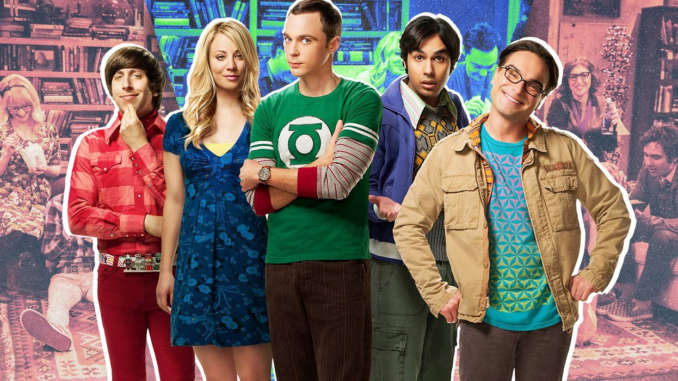
Chuck Lorre and Bill Prady’s latest expansion of The Big Bang Theory universe arrives with high expectations—and a built-in narrative challenge. Stuart Fails to Save the Universe, set to debut on HBO Max this July, marks the franchise’s first modern-day spinoff. However, its biggest hurdle stems directly from the original series itself.
During its 12-season run, The Big Bang Theory developed distinct character ecosystems. Stuart and Denise operated within the comic book shop’s social orbit, while Bert and Barry Kripke existed primarily in the academic world of Caltech. These groups rarely overlapped in meaningful ways, making their sudden collaboration in the spinoff feel narratively strained.
The absence of Sheldon, Leonard, Howard, and Raj—who previously served as connective tissue—amplifies the issue. Without them, the show must construct new motivations to justify its ensemble.
One potential workaround lies in canon: Sheldon once brought Stuart and Kripke together in an attempt to expand his social circle. Building on that moment, the series could organically re-establish connections, with Bert joining through his existing ties to Caltech.
Still, the success of Stuart Fails to Save the Universe will depend on execution. The multiverse concept provides flexibility, but character cohesion remains essential. Without it, even the most ambitious premise risks falling flat.