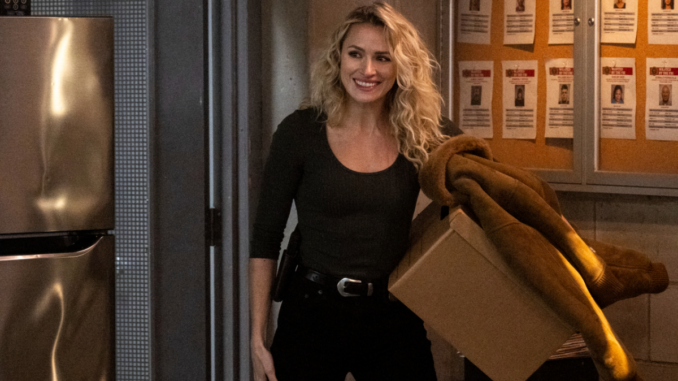
The procedural landscape of the FBI franchise has always been defined by its high-octane chases and intricate crime-solving, but the latest revelation regarding Special Agent Nina Chase has introduced a deeply personal dimension that is reshaping the show’s emotional core. The bombshell that Nina Chase is pregnant has sent fans into a frenzy, sparking endless discussions about the future of her character and, perhaps more significantly, what this means for Special Agent Stuart Scola. This unexpected development adds a layer of vulnerability to a world that is often dominated by tactical armor and professional detachment, forcing two of the bureau’s finest to navigate a future they never quite planned for.
Nina Chase, played with a perfect blend of toughness and warmth by Shantel VanSanten, has always been a formidable force within the New York field office. Her transition from a recurring presence to a central figure in the hearts of the audience was seamless, largely due to her complex and evolving chemistry with Scola. However, news of a pregnancy in a high-risk profession like federal law enforcement is never just a personal milestone; it is a tactical complication. For Nina, this life-altering news comes at a time when her career is at its peak, creating an internal conflict between her identity as a dedicated agent and her new reality as an expectant mother.
The impact on Stuart Scola, portrayed by John Boyd, is perhaps the most fascinating aspect of this storyline. Scola has often been characterized by his analytical mind and his somewhat guarded emotional life. He is a man who likes to be in control, but fatherhood is a variable that no amount of FBI training can fully prepare him for. Watching Scola process this news has provided some of the most poignant moments in recent television history. It shifts his perspective from the macro-level of protecting the city to the micro-level of protecting a specific, fragile future. Every raid, every shootout, and every dangerous undercover assignment now carries a weight that wasn’t there before, as the stakes of his survival have increased exponentially.
This narrative pivot changes the fundamental dynamic of their partnership and the show’s overall structure. In a series that usually focuses on the case of the week, the pregnancy arc allows for a slow-burn exploration of work-life balance in extreme circumstances. It raises practical questions that the show is beginning to address: How long can Nina remain in the field? How does Scola handle the anxiety of Nina being in danger while carrying their child? The tension is no longer just about catching the bad guy; it is about the quiet, terrifying moments in between the action where the reality of their situation sinks in.
From a fan perspective, the reaction has been overwhelmingly supportive, though tinged with a healthy dose of concern. Viewers have long rooted for Scola to find a sense of belonging and peace, and Nina has been the perfect catalyst for that growth. However, the writers of the FBI series are known for their penchant for drama, and fans are understandably wary of how this will play out. Will it lead to a domestic bliss that takes them away from the front lines, or will it be used to heighten the emotional stakes during a future crisis? The uncertainty is a powerful tool that keeps the audience coming back week after week, deeply invested in the safety of this growing family.
Moreover, this storyline humanizes the badge in a way that resonates with a modern audience. It acknowledges that federal agents are not superheroes; they are people with families, fears, and futures that exist outside the walls of the J. Edgar Hoover Building. By showing Nina and Scola navigating the complexities of an unplanned pregnancy, the show bridges the gap between the extraordinary world of counter-terrorism and the relatable experiences of its viewers. It adds a sense of stakes that are grounded in the heart rather than just the headlines.
As the season progresses, the “Nina Chase is pregnant” arc is set to become the defining emotional thread of the series. It forces a reinvention of Stuart Scola, turning a cynical agent into a man with everything to lose. Whether this leads to a permanent change in their roles at the bureau or a new way of balancing the dangers of the job, one thing is certain: the world of FBI has been forever altered. Fans are watching closely, hoping for a happy ending in a world where those are often hard to come by, and the journey toward that ending is proving to be the most compelling reason to watch.