The latest installment of the hit procedural drama FBI has officially raised the bar for television storytelling, delivering what many critics and fans are already calling the darkest and most emotional episode in the history of the series. While the show has always been known for its high-stakes action and technical accuracy, this particular chapter dives deep into the psychological shadows of federal law enforcement, proving that the greatest threats aren’t always the ones carrying weapons. From the opening sequence to the gut-wrenching finale, the episode maintains a level of tension that feels less like a standard TV drama and more like a high-end cinematic thriller.
The narrative centers on a case that hits uncomfortably close to home for the team at the New York Field Office. When a series of targeted attacks begins to systematically dismantle the lives of former agents, the current team finds themselves in a desperate race against a ghost from the Bureau’s past. This isn’t just a standard procedural plot; it is a profound exploration of consequence, legacy, and the heavy price of justice. The writing takes a sophisticated turn, moving away from the black-and-white morality of typical crime shows to explore the gray areas where good people are forced to make impossible choices.
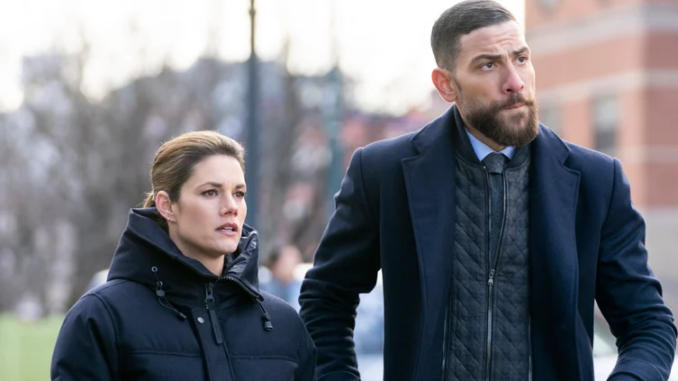
Special Agent Maggie Bell, played with incredible depth by Missy Peregrym, anchors the emotional weight of the episode. We see a side of Maggie that is rarely exposed: a vulnerability born from the realization that her dedication to the job might have permanent, damaging effects on her personal stability. Her performance is subtle yet powerful, conveying a sense of weariness that resonates with anyone who has ever felt the burden of a high-pressure career. Alongside her, Zeeko Zaki’s portrayal of OA Zidan provides the perfect foil. His stoicism is pushed to the breaking point as he watches his partner struggle with the ethical implications of their latest pursuit. Their chemistry remains the heartbeat of the show, but in this episode, that bond is tested in ways we haven’t seen before.
The pacing of the episode is relentless. The directors utilize a darker visual palette, with heavy shadows and cold, blue tones that reflect the somber mood of the storyline. The action sequences are not just there for spectacle; they are visceral and messy, highlighting the physical danger inherent in the life of an FBI agent. One particular standoff in an abandoned industrial complex stands out as a masterclass in suspense, using silence and lighting rather than loud explosions to create a sense of impending doom. It is an explosive episode not because of the pyrotechnics, but because of the emotional landmines that the characters are forced to navigate.
Furthermore, the episode benefits from a terrifyingly grounded antagonist. Instead of a cartoonish villain, the team faces someone whose motivations are rooted in a twisted sense of betrayal. This adds a layer of intellectual complexity to the chase. As Jubal Valentine and Isobel Castille manage the chaos from the Joint Operations Center, the dialogue crackles with an urgency that feels authentic. The JOC is often a place of cold logic and data, but here, the air is thick with the realization that they might be losing the battle for the soul of their department.
What sets this story apart is its willingness to leave things unresolved. In many procedural dramas, the end of the hour brings a neat resolution where the bad guy is caught and the world returns to normal. This episode rejects that formula. It leaves the characters, and by extension the audience, sitting with the trauma of what they have witnessed. The emotional fallout is palpable, suggesting that the events of this case will have long-lasting repercussions for the remainder of the season. It is a bold move for a network show, signaling a shift toward more serialized, character-driven storytelling that rewards loyal viewers.
For those who have followed the series since its inception, this episode feels like a reward for their investment. It honors the history of the characters while pushing them into new, uncomfortable territory. For new viewers, it serves as a perfect entry point to see just how high the quality of modern network dramas can be. The show successfully balances the procedural elements that define the Dick Wolf brand with a modern, gritty sensibility that feels relevant to today’s world.
Ultimately, this darkest chapter of FBI is a testament to the strength of its cast and crew. It manages to be both a pulse-pounding thriller and a heartbreaking character study. By focusing on the emotional scars left by the job, the show transcends its genre, offering a poignant look at the humans behind the badges. As the credits roll, the silence is a powerful reminder that in the world of federal investigation, victory often comes with a cost that cannot be measured in arrests or convictions. This is television at its most impactful, leaving an indelible mark on the landscape of crime dramas.