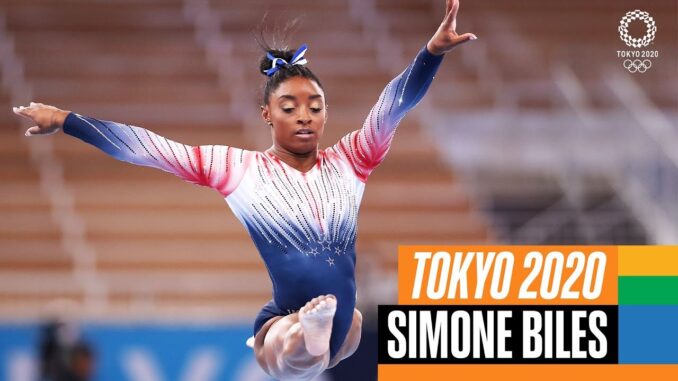
When Simone Biles speaks, the world listens. But this time, it wasn’t about medals, flips, or history-making performances. Instead, the Olympic legend opened a deeply personal window into her ongoing mental health journey, admitting she is “currently in therapy” while continuing to navigate the emotional aftermath of the Olympic spotlight.
At the same time, her husband, Jonathan Owens, is preparing for the next chapter of his NFL career, creating a moment where both athletes are balancing ambition, pressure, and personal growth under intense public attention.
Their story isn’t just about sports anymore. It’s about resilience. It’s about healing in public. And most importantly, it’s about redefining strength in a culture that once celebrated silence over vulnerability.
Simone Biles Continues to Redefine Greatness
For years, Simone Biles has been known as the greatest gymnast of all time. With multiple Olympic medals, world championship titles, and gravity-defying routines, she built a legacy that may never be matched.
But perhaps her most important achievement came when she chose herself over expectations.
Back during the 2020 Summer Olympics, Biles shocked the world when she withdrew from several events to focus on her mental health. At the time, reactions were mixed. Some praised her bravery. Others questioned her decision.
Fast forward to today, and the conversation looks very different.
Her recent admission that she is still in therapy reveals something many people forget: healing doesn’t happen overnight.
“Currently in Therapy”: A Powerful Admission
Mental health recovery isn’t linear. That’s the message Simone Biles continues to send loud and clear.
When she shared that she remains in therapy, fans immediately connected with her honesty. In a world obsessed with quick comebacks and polished social media perfection, her openness felt refreshingly human.
Therapy, for Biles, isn’t a sign of weakness. It’s maintenance. It’s survival. It’s growth.
And honestly? That message hits harder than any gold medal story.
Elite athletes often spend years training their bodies while ignoring their minds. Biles flipped that narrative upside down. She normalized seeking help at the highest level of competition.
That shift matters more than people realize.
The Hidden Pressure Behind Olympic Stardom
From the outside, Olympic glory looks magical. Bright lights. National pride. Endless applause.
But behind the scenes, it can feel like carrying the weight of an entire country on your shoulders.
Imagine being expected to perform flawlessly while millions watch your every move. One tiny mistake becomes global news. One imperfect landing sparks debates online.
That pressure can crush even the strongest people.
For Simone Biles, the burden became overwhelming during Tokyo. She later discussed struggling with the “twisties,” a dangerous mental block that disconnects a gymnast’s mind from their body mid-air.
In gymnastics, that’s not just stressful. It’s terrifying.
Her decision to step back may have saved her physically and emotionally.
How Simone Biles Changed the Mental Health Conversation in Sports
Before Biles spoke openly, athletes discussing mental health were often viewed differently. There was an outdated belief that toughness meant silence.
But Simone Biles helped tear down that wall.
Suddenly, conversations about anxiety, burnout, depression, and emotional exhaustion entered mainstream sports culture.
Athletes across leagues and countries began sharing their own struggles. Fans started understanding that elite competitors are human beings first.
In many ways, Biles became more than an athlete. She became a symbol of emotional courage.
And that influence stretches far beyond gymnastics.
Jonathan Owens Stands By Simone Biles
Relationships in the spotlight aren’t easy. Add two professional athletes with demanding schedules, and the pressure multiplies quickly.
Still, Jonathan Owens has consistently shown support for his wife throughout her journey.
Their relationship has often appeared grounded, playful, and authentic despite public scrutiny. While Owens prepares for important career developments in football, he also remains part of Biles’ emotional support system.
That balance matters.
Sometimes healing isn’t about dramatic speeches or grand gestures. Sometimes it’s simply about having someone beside you when the cameras disappear.
The Reality of Mental Health After the Olympics
Many people assume Olympic athletes return home feeling fulfilled forever.
But post-Olympic life can actually be emotionally complicated.
Athletes spend years chasing one singular moment. Once it passes, many experience emptiness, uncertainty, or emotional exhaustion. Some even struggle with identity loss after the competition ends.
For Biles, therapy appears to be helping her process those experiences while continuing to grow personally and professionally.
That honesty shines a light on a rarely discussed issue in sports culture.
Why Fans Relate to Simone Biles More Than Ever
Ironically, opening up about vulnerability may have made Simone Biles even more admired.
Why?
Because people see themselves in her now.
Not everyone knows what it feels like to win Olympic gold. But millions understand anxiety, pressure, self-doubt, and emotional fatigue.
Her story reminds people they don’t need to be perfect to be strong.
That message resonates deeply in today’s world, where burnout has become increasingly common.
Social Media’s Role in Athlete Mental Health
Social media can lift athletes up one day and tear them down the next.
For stars like Simone Biles, constant online commentary creates enormous emotional strain. Every performance, interview, and appearance becomes instant public discussion.
Criticism spreads quickly. Expectations grow endlessly.
Even the strongest minds can struggle under that microscope.
That’s why many athletes are now prioritizing boundaries, therapy, and emotional wellness alongside physical training.
Biles helped normalize that shift.

Therapy Is Becoming More Accepted in Professional Sports
Not long ago, therapy carried unnecessary stigma in competitive sports.
Today, things are changing.
Teams increasingly employ sports psychologists. Athletes openly discuss counseling sessions. Mental conditioning is becoming just as respected as strength training.
Simone Biles played a major role in accelerating that cultural evolution.
Her willingness to speak publicly about therapy sends a powerful signal to younger athletes: asking for help is smart, not shameful.
The Strength It Takes to Be Vulnerable
People often confuse vulnerability with fragility.
But real vulnerability takes courage.
Standing on an Olympic podium is difficult. Admitting you’re struggling in front of the entire world might be even harder.
Biles did both.
That’s why her story continues to inspire so many people outside sports. She showed that strength isn’t about pretending everything is fine. It’s about facing challenges honestly.
That lesson applies everywhere — workplaces, schools, relationships, and everyday life.
Jonathan Owens Prepares for His Next NFL Chapter
As Simone Biles focuses on mental wellness and continued balance, Jonathan Owens is preparing for the demands of professional football once again.
NFL careers move quickly. Competition is fierce. Every season can reshape a player’s future.
For Owens, preparation means staying physically ready while navigating the attention that comes with being part of one of sports’ most visible couples.
Still, he appears committed to supporting Biles while pursuing his own ambitions.
That dynamic makes their partnership especially relatable.
They’re both chasing dreams while learning how to protect their peace.
Simone Biles Is Building a Legacy Bigger Than Gymnastics
At this point, Simone Biles’ impact extends far beyond routines and medals.
Yes, she changed gymnastics forever.
But she also changed conversations around mental health, athlete wellbeing, and emotional resilience.
Future generations may remember her not only as the greatest gymnast ever, but as the athlete who made vulnerability acceptable on the world stage.
That kind of legacy lasts longer than trophies.
The Public Reaction to Her Therapy Revelation
Fans largely responded with admiration after Biles shared that she remains in therapy.
Many praised her transparency and maturity. Others thanked her for helping normalize mental health care.
Of course, public figures always face criticism too. But cultural attitudes have shifted dramatically since Tokyo.
Today, more people understand that therapy isn’t a crisis response alone. It’s also preventive care, emotional growth, and self-awareness.
That broader understanding represents real progress.
Why Simone Biles’ Story Matters Right Now
The timing of Biles’ openness feels especially meaningful.
Modern life moves fast. Burnout is everywhere. Social pressure feels constant. People are exhausted emotionally, mentally, and physically.
In that environment, seeing someone as accomplished as Simone Biles openly prioritize therapy sends an important message:
Success does not eliminate the need for support.
In fact, high achievers often need it most.
Mental Health and Athletic Excellence Can Coexist
For decades, many believed mental health struggles automatically weakened performance.
But Simone Biles challenges that assumption completely.
You can be elite and still need therapy.
You can be successful and still feel overwhelmed.
You can be admired and still experience anxiety.
Those realities can coexist.
And acknowledging them may actually create healthier athletes in the long run.
What Comes Next for Simone Biles and Jonathan Owens?
The future looks bright — but also grounded in realism.
Simone Biles continues balancing public life, personal wellness, and her lasting athletic influence. Jonathan Owens remains focused on football opportunities and professional growth.
Together, they appear determined to move forward authentically rather than chasing perfection.
And perhaps that’s the biggest lesson of all.
Life isn’t about pretending to have it all figured out. It’s about continuing to grow while staying honest about the journey.
Conclusion
Simone Biles’ decision to reveal that she is “currently in therapy” once again proves why she remains one of the most influential athletes of her generation. Her courage extends far beyond gymnastics routines and Olympic medals. By openly discussing mental health, emotional recovery, and vulnerability, she continues reshaping how society views strength.
Meanwhile, Jonathan Owens prepares for the next phase of his football career, standing beside a partner whose honesty has inspired millions worldwide.
Together, their story reflects something bigger than fame or sports. It reflects resilience, partnership, healing, and the ongoing pursuit of balance in a world that rarely slows down.
And in many ways, that may be Simone Biles’ most important victory yet.