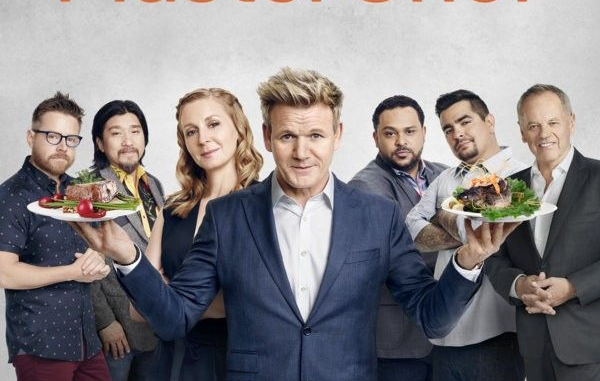
For decades, MasterChef has stood as one of the most recognizable culinary competition formats in the world, a global franchise that has expanded into more than 50 countries and reached hundreds of millions of viewers. Yet even a powerhouse of that scale is not immune to controversy, especially in an era where audiences are more critical than ever about originality and authenticity.
Recently, online discussions and industry chatter have reignited a familiar question: how distinct is MasterChef from other elite cooking competitions—particularly Top Chef? While no formal legal action or confirmed plagiarism ruling has been issued, the growing speculation has been enough to spark debate across fan communities and media circles alike.
At the heart of the conversation is format overlap. Both shows place contestants in high-pressure culinary challenges judged by professional chefs, pushing creativity, technique, and storytelling on the plate. For some viewers, these similarities are simply part of the genre. Competitive cooking shows, by design, share DNA: elimination rounds, themed challenges, and escalating difficulty are industry standards.
However, critics argue that the lines may be blurrier than they appear. Social media threads have pointed out parallels in challenge structures, presentation styles, and even editing rhythms. While none of these observations constitute proof of wrongdoing, they reflect a broader cultural shift—audiences are no longer passive viewers, but active analysts dissecting every frame.
It’s worth noting that MasterChef predates many modern cooking competitions, having first launched in 1990 before evolving into its current global format. Meanwhile, Top Chef carved out its own identity with a more polished, industry-focused approach, often emphasizing professional chefs and real-world restaurant dynamics. The two shows, while similar on the surface, have historically occupied slightly different spaces within the genre.
Still, perception matters. In television, especially reality TV, originality is as much about branding as it is about structure. When audiences begin to question whether a show feels “too familiar,” it can impact reputation—even without any factual basis for legal claims.
This isn’t the first time MasterChef has faced scrutiny of one kind or another. Over the years, the franchise has navigated various controversies, from viewer complaints about judging outcomes to more serious allegations involving individuals connected to the show. For instance, in one notable case, a former contestant’s cookbook was withdrawn after plagiarism accusations unrelated to the show’s format itself. Such incidents, while separate, contribute to a broader narrative that keeps the franchise under a microscope.
Industry experts suggest that the current wave of speculation says more about the competitive landscape of food television than about any single show. The genre has become saturated, with countless formats borrowing and evolving from one another. In that environment, distinguishing inspiration from imitation becomes increasingly complex.
Producers, for their part, have remained largely silent on the recent comparisons between MasterChef and Top Chef. This silence is not unusual; networks often avoid engaging with speculative narratives that lack formal complaints or legal grounding. However, in today’s digital ecosystem, silence can sometimes amplify curiosity rather than contain it.
Fans are divided. Some defend MasterChef as a pioneer that helped define the modern cooking competition format. Others argue that longevity should not exempt a show from scrutiny. The truth likely lies somewhere in between: a long-running franchise adapting over time, inevitably intersecting with ideas explored by others in the same space.
As of now, there is no indication that MasterChef is facing cancellation or official investigation related to copying Top Chef. But in the world of television—where perception, narrative, and audience trust are everything—even rumors can carry weight.
Whether this moment fades as another cycle of online speculation or evolves into something more concrete remains to be seen. What is certain, however, is that MasterChef’s legacy, built over decades, now faces a new kind of challenge—one not found in the kitchen, but in the court of public opinion.