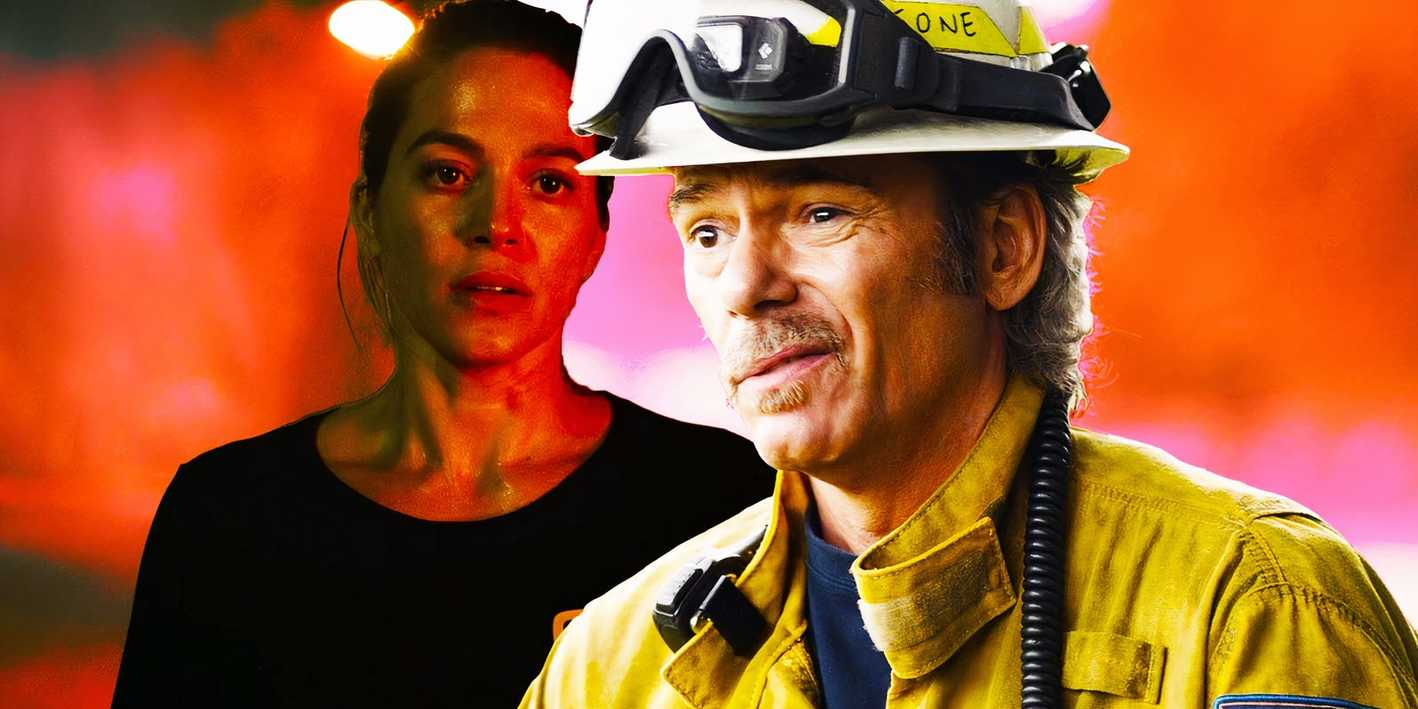
The departure of major series regulars is often the most tumultuous period for a dedicated fandom, and for Fire Country viewers, the exits of Billy Burke and Stephanie Arcila represented a seismic shift in the show’s DNA. As the heart and soul of the Leone family and the romantic tension of the Three Rock crew, their absences have left a void that the writers are now tasked with filling. Understanding why these two powerhouse performers left the hit CBS drama requires a look at both the narrative requirements of a high-stakes procedural and the professional trajectories of the actors themselves.
Billy Burke, who portrayed the gruff yet deeply loving patriarch Vince Leone, was the emotional anchor of Edgewater. His character’s exit was particularly jarring because Vince served as the bridge between the traditional Cal Fire world and the redemption arc of his son, Bode. However, industry insiders and creative discussions suggest that Burke’s departure was a result of a mutual decision between the actor and the showrunners to allow the story to evolve. From a narrative perspective, Vince Leone had reached a peak in his character arc; he had reconciled with his son, navigated the grief of losing his daughter, and faced the mortality of his profession. For a show that thrives on “restarting” and “redemption,” keeping a settled, stable patriarch sometimes limits the dramatic stakes for the younger generation. By removing the safety net that Vince provided, the writers forced Bode and Sharon to navigate their lives without their primary protector, opening up raw, untapped emotional territory.
On a professional level, Billy Burke has always been an actor who seeks diverse and challenging roles across various genres. After several seasons of the grueling production schedule required for a network procedural—which often involves long hours in outdoor, smoke-filled locations—there was a natural inclination to move toward new projects. While fans were devastated to see the Chief hang up his helmet, the exit was handled with a level of respect that suggests the door might never be fully closed for guest appearances or flashback sequences. Burke’s legacy on the show remains the blueprint for what a “Fire Country” leader should be: flawed, firm, but ultimately driven by love.
Similarly, Stephanie Arcila’s exit as Gabriela Perez sent shockwaves through the “Bodiela” shipping community. Gabriela was not just a love interest; she was a symbol of the “new” Edgewater—an outsider who found her calling in the heat of the flames. The reasons behind Arcila’s departure appear to be a mix of creative storytelling and the actress’s desire to explore new horizons in her burgeoning career. In the world of Fire Country, Gabriela’s journey from Olympic diver to elite firefighter was a meteoric rise. However, the “will-they-won’t-they” dynamic with Bode often threatened to overshadow her individual growth. The writers felt that for Gabriela to truly find her own identity away from the Leone family drama, a clean break was necessary. This allows the character to exist in the “Fire Country” universe as a success story while freeing the narrative to introduce new romantic and professional obstacles for the remaining cast.
Furthermore, the physical and emotional demands of filming a show centered on natural disasters are immense. Stephanie Arcila has expressed profound gratitude for the platform the show provided, but like many talented actors in the current “Golden Age” of television, the allure of limited series, film roles, or even theater can pull talent away from long-running network commitments. Her exit was designed to be as impactful as her entrance, ensuring that Gabriela Perez remains a beloved figure in the show’s history rather than a character who simply faded into the background.
The departure of both Burke and Arcila marks the end of an era for Fire Country, but it also signifies the show’s transition into a more mature phase. Producers often face the difficult choice between maintaining the status quo or shaking the foundation to see what survives. By losing two of its most grounded characters, the show is forced to reinvent itself, pushing the remaining ensemble into more prominent roles. The “exit” of these stars isn’t a sign of a failing production, but rather a testament to the show’s commitment to high-stakes realism—where people leave, lives change, and the fire keeps burning regardless of who is holding the hose.
As the series moves forward, the influence of Vince’s wisdom and Gabriela’s courage continues to permeate the halls of the Edgewater station. Their exits served as a reminder that in the world of firefighting, nothing is permanent. While the fans may miss the specific chemistry Burke and Arcila brought to the screen, the vacuum they left behind provides the oxygen needed for new stories, new conflicts, and a new generation of heroes to rise from the ashes.