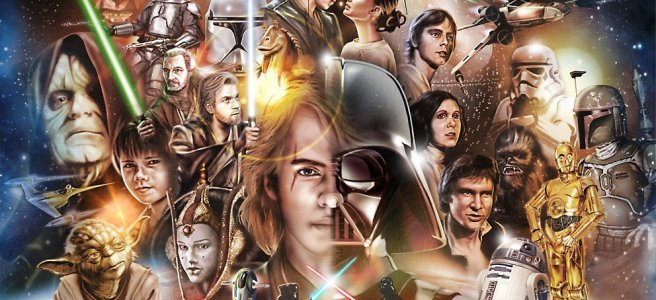
For nearly five decades, Star Wars hasn’t just been a franchise. It’s been a living mythology. Generations have grown up with it. Debated it. Defended it. And now? It feels like the galaxy is entering one of its most pivotal transitions yet.
Between bold casting choices, unexpected creative pivots, and a renewed focus on legacy characters, the conversation around Star Wars is louder—and more divided—than it’s been in years. Is this the dawn of a daring new era, or a return to something more familiar? Let’s break down the moments fueling the fire.
The Casting Shockwave That Sparked a Fandom Frenzy
When it was officially announced that Daisy Ridley would return as Rey in an upcoming theatrical film set after The Rise of Skywalker, the fandom didn’t just react—it erupted.
For some, it was long-awaited validation. Rey’s story, they argued, felt unfinished. A Jedi rebuilding the Order from the ashes? That’s fertile ground for storytelling.
For others, it reopened old debates about the sequel trilogy’s direction, legacy characters, and whether the franchise should move forward—or finally let go.
The question dominating discussions:
Is this a continuation… or a correction?
A New Jedi Order—or a Narrative Reset?
The upcoming film centered on Rey rebuilding the Jedi Order has been positioned as a forward-looking chapter. Yet the framing feels layered with subtext.
Is Lucasfilm doubling down on the sequel era?
Or reshaping it through hindsight?
Rey’s return signals confidence. But it also signals risk. The sequel trilogy remains one of the most polarizing chapters in franchise history. Revisiting it so directly means embracing that division head-on.
In a franchise built on mythic cycles, redemption arcs aren’t just for characters. Sometimes, they’re for entire eras.
The Mandalorian Effect: A Shift in Creative Gravity
It’s impossible to discuss the current Star Wars climate without acknowledging The Mandalorian.
What began as a streaming experiment evolved into a cultural phenomenon. The introduction of Grogu reignited global affection for the galaxy far, far away.
Suddenly, the tonal center of the franchise shifted.
Serialized storytelling. Intimate character focus. Practical effects blended with modern spectacle. It felt nostalgic—but new.
Now, with a theatrical film continuation of that storyline in development under Jon Favreau, fans are watching closely. Is the big screen becoming an extension of streaming success? Or will cinematic storytelling reclaim its epic scale?
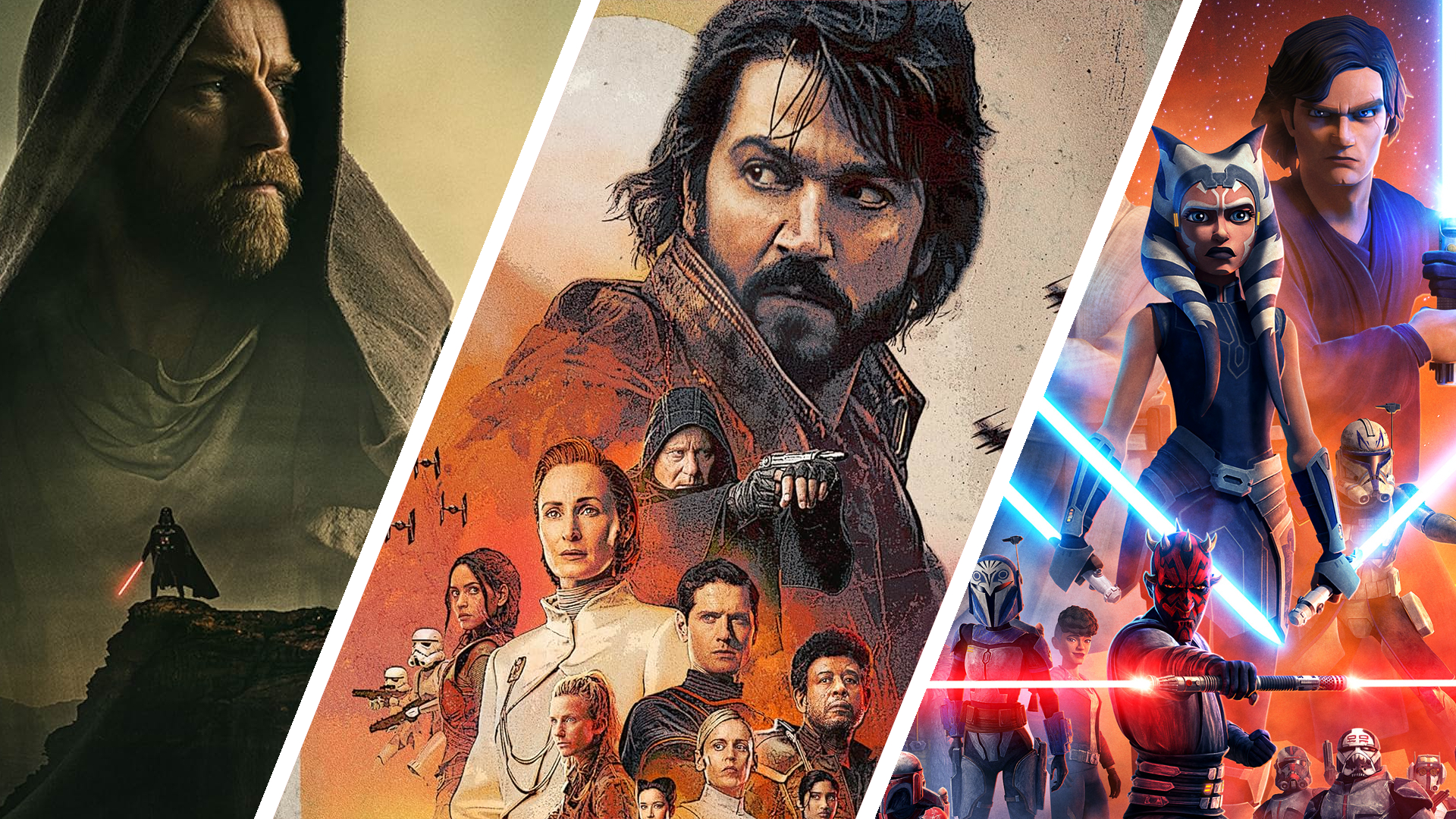
Dave Filoni’s Ascension: A Canon Architect in Control
Another major point of discussion surrounds Dave Filoni and his growing creative influence.
Long celebrated for his stewardship of animated storytelling in Star Wars: The Clone Wars, Filoni is now steering interconnected live-action narratives.
To many fans, this feels like a restoration of cohesive vision—someone deeply versed in lore shaping the future.
But others question whether tighter interconnectivity risks alienating casual audiences. When every story connects, accessibility can suffer.
Is the galaxy becoming richer—or more insular?
The Villain Factor: The Return of Shadows
Speculation surrounding legacy villains has added even more fuel to the discourse.
The reintroduction of Grand Admiral Thrawn in Ahsoka signaled a major narrative consolidation. A character once confined to novels and animation now stands poised as a central big-screen threat.
For longtime fans, it’s a triumphant payoff.
For newcomers, it’s a complex entry point into decades of expanded lore.
The larger question looms:
Is Star Wars building toward an Avengers-style convergence event? Or carefully stitching together fragmented timelines?
The Generational Divide
What makes this moment unique isn’t just the projects themselves. It’s who’s arguing about them.
Original trilogy loyalists.
Prequel defenders.
Sequel-era supporters.
Streaming-era converts.
Each group sees the franchise’s “true essence” differently.
And with new films in development from multiple creative voices, the tension between innovation and tradition has never been sharper.
Should Star Wars evolve beyond Jedi and Skywalkers entirely?
Or does abandoning those pillars risk losing its mythic core?
The Business Undercurrent
Behind the lightsabers and lore lies a strategic reality.
Theatrical performance expectations have shifted in the streaming era. Franchise fatigue is real. Event films must justify their scale.
After a pause in theatrical releases, the upcoming slate represents more than storytelling—it represents recalibration.
A successful return to cinemas could redefine the franchise’s trajectory. A stumble could accelerate its migration to serialized platforms.
The stakes are galactic.
Why This Moment Feels Different
This isn’t just another project announcement cycle.
It’s the first time since the sequel trilogy concluded that Lucasfilm appears to be setting a long-term direction rather than reacting in real time.
There’s intention.
There’s consolidation.
There’s visible course correction—or at least course clarification.
For a saga built on destiny, this feels like a crossroads.
So… Is the Force in Balance?
That depends on who you ask.
Some fans see creative alignment forming at last—a unified narrative thread stretching from animation to streaming to cinema.
Others see unresolved fractures and cautious optimism at best.
What’s undeniable is this: Star Wars is no longer coasting on legacy alone. It’s actively redefining itself in public view.
And every casting decision, every director announcement, every returning character becomes symbolic.
Conclusion: A Galaxy Reforged—or Repeating?
From Daisy Ridley’s headline-grabbing return to the expanding influence of Dave Filoni and Jon Favreau, the franchise stands in transformation.
This isn’t the end of Star Wars.
It’s a test of what it wants to become next.
Will the rebuilding of the Jedi Order mirror the rebuilding of fan trust?
Will interconnected storytelling create cohesion—or confusion?
For the first time in years, the future of the galaxy feels unwritten again.