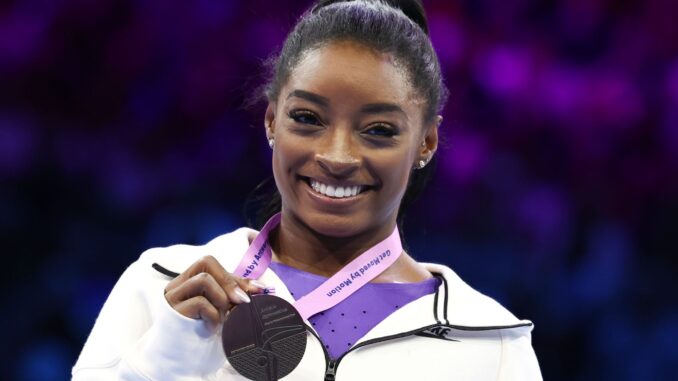
For Gen Z navigating today’s complicated entry-level job world, it can feel like it’s more important than ever to be the best—and stick out against the sea of competition.
However, 14-time Olympic medalist Katie Ledecky says being too focused on beating others can actually backfire. Instead, she encourages young people to stay in their lane and define success on their own terms.“You don’t have to win the race. You just need to win your race,” she said to this year’s graduates at Stanford University, her alma mater. “And winning your race means falling in love with the process. Fall in love with the process, not the podium.”
The 28-year-old added that instead of being focused on the performance of others, it’s critical to set your own standards for success. “I set goals, but those goals aren’t about winning. Winning is inherently about comparison,” she said. “The real race is always the same: it’s me against my goals.” And while Ledecky’s advice may sound counterintuitive for an Olympic athlete, she’s won more medals than any U.S. female Olympian (including nine golds, the first she won at just 15 years old) and holds the world record for the women’s 800m freestyle and 1500m freestyle. In the end, keeping your eyes on someone else’s lane can throw you off your own pace. The more energy you spend tracking the competition, the less you have to invest in mastering your craft.
A Champion’s Advice That Goes Beyond the Pool
When people think about greatness at the Olympic Games, one name often floats to the surface—Katie Ledecky. Known for her unmatched endurance and record-breaking swims, Ledecky has become one of the most decorated athletes in modern Olympic history.
But recently, she delivered a message that surprised many people—especially graduates stepping into the real world.
Her advice?
Set ambitious goals… but don’t assume you’ll always reach them.
In a world obsessed with winning, perfection, and viral success stories, Ledecky’s message feels refreshingly honest. She reminds young people that progress matters more than perfection, and that not winning doesn’t mean you’ve lost.
For Gen Z graduates navigating uncertain futures, that message might be exactly what they need to hear.
The Powerful Message Behind Katie Ledecky’s Advice
Ledecky’s message isn’t just motivational fluff. It comes from years of discipline, setbacks, and relentless training.
She said something simple yet profound:
“You don’t have to win the race.”
At first glance, it sounds strange coming from one of the most dominant athletes in Olympic history. But when you look closer, the wisdom becomes clear.
Winning isn’t always the point.
Growth is.
Why Gen Z Needs This Advice Right Now
Gen Z faces pressures unlike any generation before.
Social Media and the Illusion of Constant Success
Scroll through Instagram or TikTok for five minutes and it feels like everyone is winning at life.
-
Someone launched a startup at 21
-
Someone else became a millionaire overnight
-
Another person travels the world while working remotely
But here’s the truth most posts don’t show:
Failure, rejection, and doubt happen behind the scenes.
Ledecky’s message cuts through that illusion.
Not every race ends in victory—and that’s okay.
The Pressure to Be Perfect
Many graduates feel they must:
-
Choose the perfect career
-
Achieve success quickly
-
Avoid mistakes at all costs
But life isn’t a perfectly timed swim meet.
It’s more like open water—messy, unpredictable, and constantly changing.
Lessons From an Olympic Champion
If anyone understands goals and pressure, it’s Ledecky.
She didn’t become a 14-time Olympic medalist overnight.
Her journey offers powerful lessons.
Lesson 1 – Set Big Goals
Ledecky believes goals matter.
They provide direction, motivation, and purpose.
Without them, life feels like swimming without a lane line—you might move forward, but you’ll drift.
Big goals create momentum.
But here’s the twist.
Lesson 2 – Accept That You Might Miss Them
Most people treat missed goals like failures.
Ledecky treats them differently.
She sees them as data points.
Missed a time target?
Adjust training.
Lost a race?
Study the performance.
Life works the same way.
Goals aren’t guarantees—they’re guides.
Lesson 3 – Progress Is Still Victory
Imagine training for months to break a record.
You don’t break it—but you swim the second-fastest time of your life.
Is that failure?
Not at all.
That’s progress.
Too often, people ignore improvement because it didn’t end in first place.
The Myth of “Winning Every Race”
One of the biggest myths about successful people is that they always succeed.
That’s simply not true.
Even the best athletes lose.
Even the smartest entrepreneurs fail.
Even the most talented creators struggle.
Behind Every Medal Is a Story of Setbacks
Even champions like Ledecky face challenges:
-
Tough training cycles
-
Injuries or fatigue
-
Unexpected competition
These moments shape champions far more than easy victories.
In fact, setbacks often build resilience.
Failure Is the Training Ground for Growth
Think about it like swimming against resistance.
The harder the water pushes back, the stronger you become.
Life works the same way.
Failure builds the muscles of character.
Why Not Achieving a Goal Can Be a Good Thing
This idea sounds strange at first.
But missing a goal can actually be powerful.
Here’s why.
It Forces Reflection
When things don’t go as planned, you ask better questions:
-
What went wrong?
-
What can I improve?
-
What matters most?
These questions drive growth.
It Builds Resilience
Resilience is like a muscle.
Every setback strengthens it.
Without struggle, resilience never develops.
And resilience matters far more than short-term success.
It Opens Unexpected Opportunities
Sometimes the race you lose leads to the opportunity you needed.
Many successful careers began with a rejected plan.
Life has a funny way of redirecting us toward better paths.
The Healthy Way to Approach Goals
Ledecky’s philosophy suggests a healthier relationship with goals.
Instead of obsessing over outcomes, focus on the process.
Focus on Effort Over Results
You can control effort.
You can’t control everything else.
In sports, that includes:
-
competitors
-
conditions
-
timing
In life, it includes:
-
job markets
-
timing
-
unexpected events
Effort remains the one constant you can control.
Celebrate Small Wins
Success rarely arrives all at once.
It comes in small steps.
-
finishing a project
-
learning a new skill
-
improving performance
These wins add up.
Like lap after lap in the pool, they build momentum.
Why This Message Resonates With Graduates
Graduation feels like the starting gun of adulthood.
Suddenly the world expects big decisions.
Career paths.
Financial goals.
Life direction.
It’s overwhelming.
That’s why Ledecky’s message matters.
Life Is Not a Single Race
Too many graduates treat life like a sprint.
But life is actually more like a marathon.
Or better yet—an ultra-distance swim.
There will be:
-
calm waters
-
rough waves
-
unexpected currents
And sometimes you’ll need to change direction.
Success Takes Time
Ledecky trained for years before dominating international competitions.
That patience is something many young people forget in the age of instant gratification.
Real mastery takes time.
What Gen Z Can Learn From Olympic Mindset
Athletes train not just their bodies—but their minds.
This mindset can transform everyday life.
Discipline Beats Motivation
Motivation fades quickly.
Discipline keeps you moving forward.
It’s the difference between dreaming about goals and actually achieving them.
Consistency Beats Intensity
Doing something consistently matters more than doing it perfectly once.
A single great workout doesn’t win medals.
Months of steady training do.
The same principle applies to studying, working, and building skills.
Patience Creates Champions
Champions aren’t built overnight.
They’re built through thousands of small efforts.
Every practice.
Every early morning.
Every challenge.
Redefining What “Winning” Really Means
Ledecky’s advice invites us to redefine success.
Winning doesn’t always mean finishing first.
Sometimes winning means:
-
trying again after failure
-
learning something new
-
growing stronger through challenges
In many ways, those victories matter more.
Conclusion: The Race That Truly Matters
Katie Ledecky has spent years racing in some of the most competitive arenas in the world. Yet her advice to graduates isn’t about gold medals or record times.
It’s about perspective.
Yes—set ambitious goals.
Yes—work hard to achieve them.
But understand this simple truth:
You don’t have to win every race to live a successful life.
Sometimes the greatest victories come from persistence, growth, and the courage to keep swimming—even when the finish line feels far away.
For Gen Z graduates stepping into an uncertain future, that might be the most valuable lesson of all.