Yellowstone: The Powerful Truth Behind the Show’s Most Profound Season 1 Dialogue
Yellowstone delivers one of its most profound philosophical moments in Season 1 through a dialogue about truth and power. This article analyzes the meaning behind that scene and explains why Yellowstone remains a modern TV masterpiece.
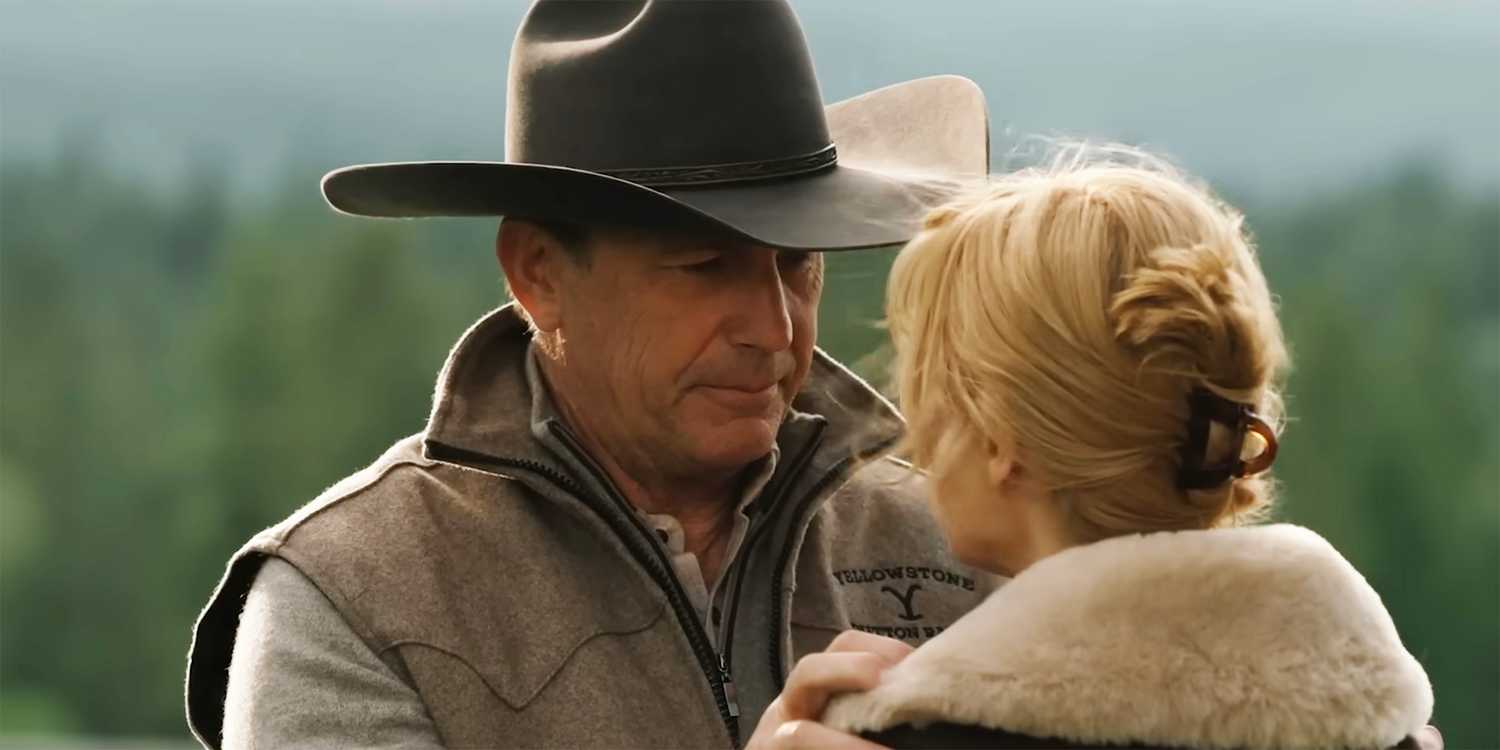
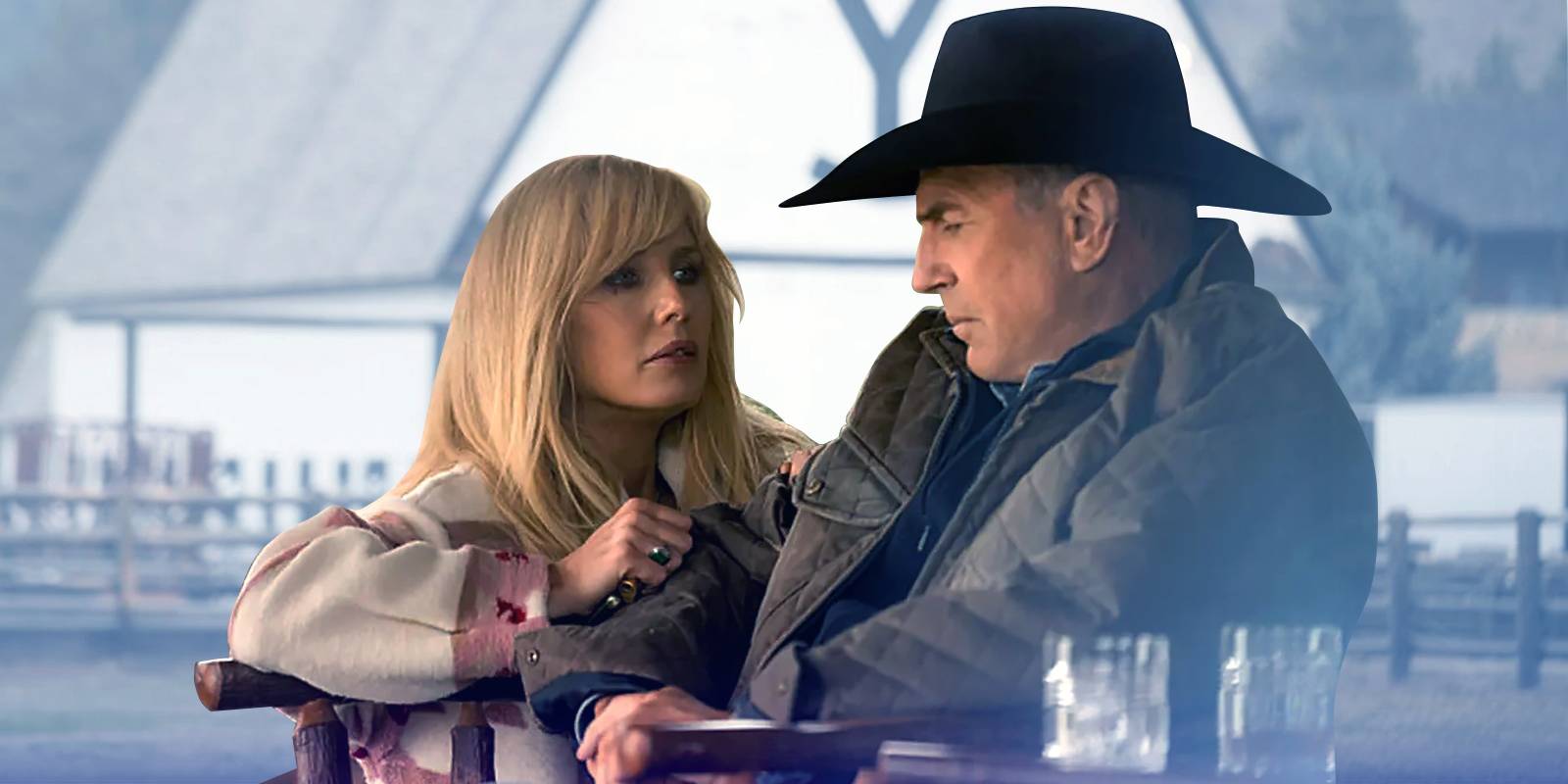
(ALT: “Yellowstone Season 1 philosophical dialogue John Dutton”)
Table of Contents
-
Introduction
-
Yellowstone and the Philosophy of Power
-
The Season 1 Dialogue That Defines Yellowstone
-
The Deeper Meaning Behind John Dutton’s Words
-
Why This Yellowstone Moment Resonates Today
-
Conclusion
1. Introduction
Yellowstone Season 1 is filled with tension, conflict, and raw human emotion. But among the gunfights and political battles, one quiet conversation stands out as the show’s most profound philosophical moment. This dialogue — between John Dutton and his son — captures the essence of what Yellowstone truly wants to say about truth, power, and survival.
2. Yellowstone and the Philosophy of Power
In Yellowstone, power is not an abstract idea. It shapes land, law, and even morality. The Dutton family’s fight to protect their ranch is also a fight to preserve their version of the truth.
This central theme becomes crystal clear in Season 1, where the series suggests a harsh worldview:
Truth does not belong to the righteous. Truth belongs to the powerful.3. The Season 1 Dialogue That Defines Yellowstone
The defining line from this Season 1 conversation is:
“Truth doesn’t matter as much as the person who gets to define it.
The one with power gets to tell the story.”This moment is not just exposition. It is the philosophical backbone of Yellowstone. Through John Dutton’s voice, the show presents a worldview shaped by loss, legacy, and the cold realities of political power.
4. The Deeper Meaning Behind John Dutton’s Words
This dialogue carries several layers of meaning:
4.1 Truth Is Not Neutral
In Yellowstone, truth is a battlefield. Competing forces — developers, politicians, tribes, corporations — all claim moral authority, but only one emerges victorious.
4.2 Power Shapes Reality
John Dutton’s statement reflects a harsh truth of real life:
People believe the story that is most strongly defended, not necessarily the story that is most correct.4.3 Morality Is Complicated
The show refuses to give viewers clean-cut heroes or villains. Instead, it argues that survival often demands moral compromise.
5. Why This Yellowstone Moment Resonates Today
This philosophical scene in Yellowstone Season 1 feels especially relevant in today’s world, where:
-
media shapes narratives
-
political interests rewrite facts
-
power decides what becomes “true”
-
morality is negotiated rather than fixed
Yellowstone forces viewers to confront an uncomfortable idea:
The truth we believe might simply be the truth we are allowed to hear.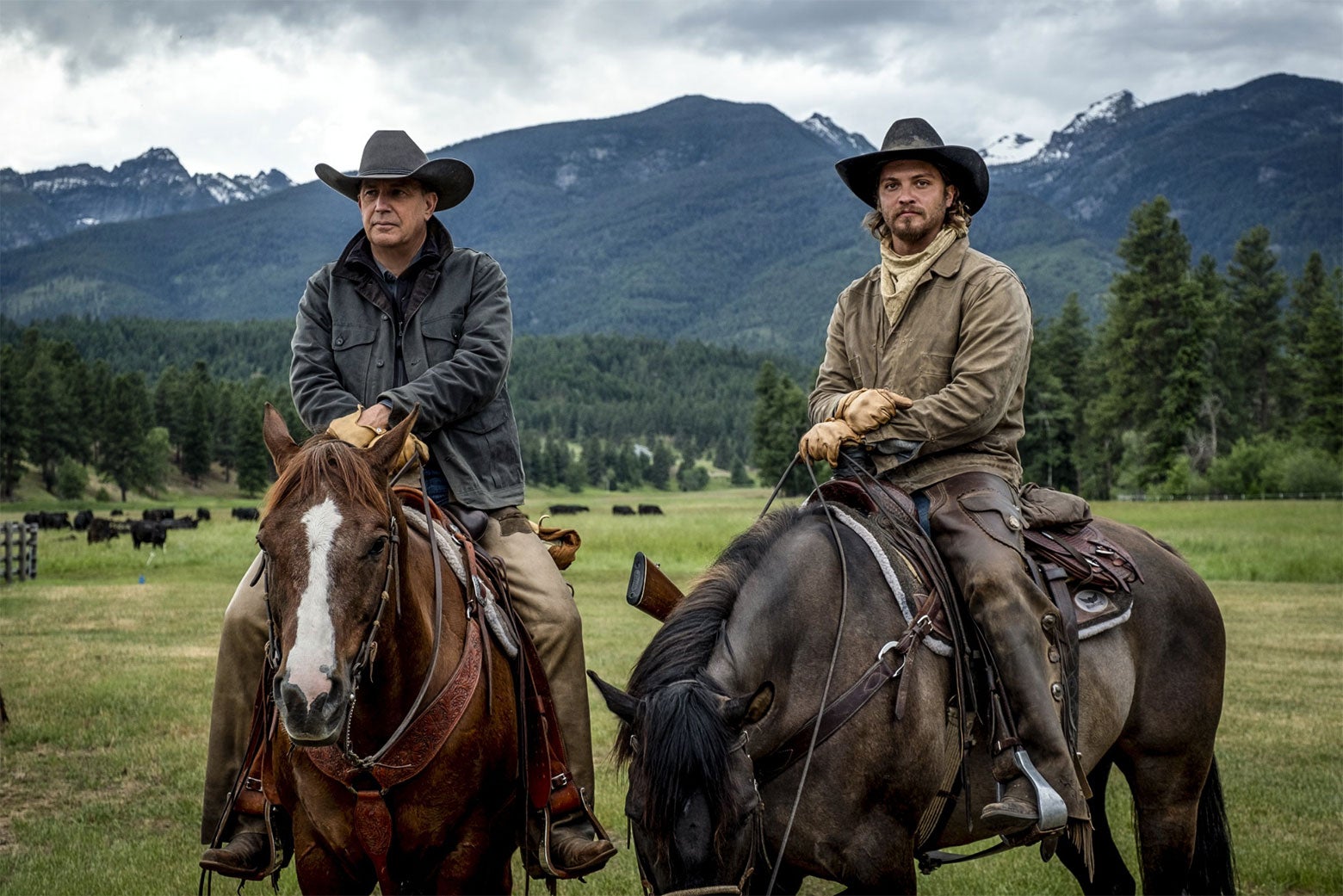
(ALT: “Yellowstone truth and power scene analysis”)
6. Conclusion
This Season 1 dialogue is more than a memorable quote — it is the foundation of Yellowstone’s entire worldview. It defines the motivations of the Dutton family, sets the tone for the series, and challenges viewers to question how truth is shaped in society.
Yellowstone is not just a drama about land and loyalty. It is a philosophical exploration of how truth is crafted, controlled, and contested.
Internal link suggestion:
– Read more: 10 American TV Shows You Shouldn’t Miss This Year
External DoFollow link:
– Paramount Official Page: https://www.paramountnetwork.com/shows/yellowstone
-
