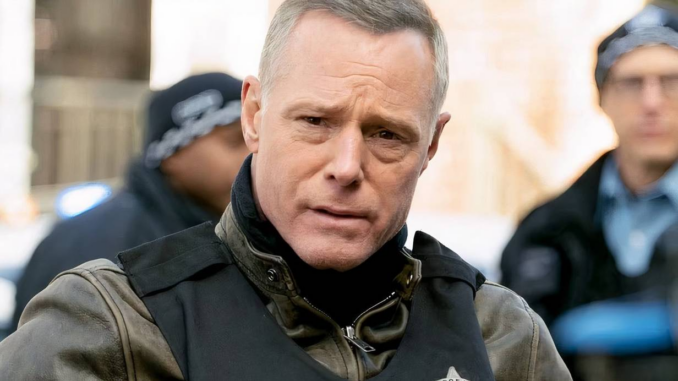
Across Chicago P.D. and the wider One Chicago universe, few characters stir debate like Hank Voight. Season 13 has once again shown the detective bending rules, dodging consequences, and leaning on intimidation to get what he wants. But the franchise revealed Voight’s true nature long before his spinoff ever launched—and one early Chicago Fire scene proves it best.
In the Chicago Fire season 1 episode “Professional Courtesy,” Voight makes his unforgettable debut. After his drunk-driving son causes a devastating car accident that leaves a young boy paralyzed, Voight steps in—not to protect the victims, but to cover up his son’s guilt. He orders officers to hide evidence and pressures firefighter Matt Casey to alter his report.
The now-iconic bar scene between Casey and Voight showcases Voight’s dark playbook in full. He tries sympathy, manipulation, emotional guilt, and finally thinly veiled threats—all to shield his son from consequences. When Casey refuses to recant, Voight’s friendly façade vanishes instantly, revealing a ruthless figure willing to cross any line.
The fallout only gets worse. Voight escalates to intimidation and violence, eventually landing in prison—only to be released months later and promoted to lead Chicago P.D.’s Intelligence Unit, beginning the long-running cycle of “crime and reward” fans still debate today.
More than a decade later, Voight remains a compelling but deeply controversial force, and that early Chicago Fire scene still stands as the clearest proof: in the moral world of One Chicago, Hank Voight might just be its greatest villain.