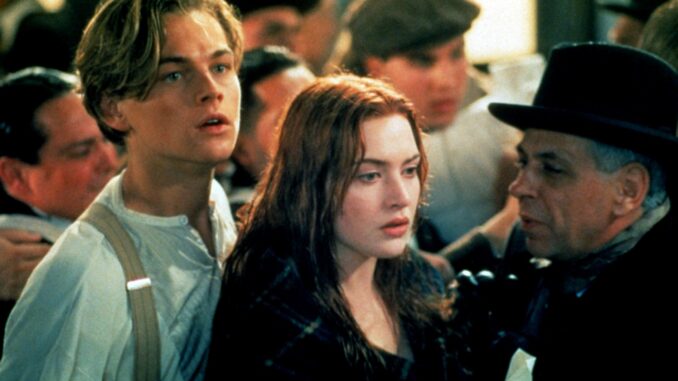
Almost three decades later, Titanic still finds a way to punch us right in the feelings. You already know how it ends. You know Jack won’t survive. You know Rose will let go. And yet… your eyes still burn, your throat still tightens, and suddenly you’re blaming onions.
So what’s going on here? Why does Titanic still make us cry in 2026, in an age of CGI overload, ultra-fast content, and endless streaming options? Let’s dive deep—emotionally and cinematically—into the film that simply refuses to age.
The Timeless Power of Titanic
A Film That Defies Generations
Titanic isn’t just a movie—it’s a shared emotional memory. Parents watched it in theaters. Their kids discovered it on DVD. Now Gen Z and Gen Alpha are streaming it on their phones… and crying just as hard.
That’s rare. Extremely rare.
Most movies fade with time. Titanic doesn’t. It floats—steady, graceful, unforgettable.
James Cameron’s Emotional Blueprint
A Love Story Built to Last
At its core, Titanic isn’t about a shipwreck. It’s about love that blooms fast, burns bright, and ends too soon. Jack and Rose’s romance feels raw and urgent, like a spark you know won’t last—but can’t look away from.
That’s emotional sabotage done right.
Simple Story, Universal Feelings
Rich girl. Poor boy. Forbidden love. Loss. Regret. Memory.
Sound familiar? Exactly. These themes don’t age because humans don’t change. We still love. We still lose. We still ask, “What if?”
Why Titanic Still Hits Hard Emotionally
We Know the Ending—and That Makes It Worse
Here’s the twist: knowing the ending actually makes Titanic more painful. Every smile feels borrowed. Every laugh feels temporary.
It’s like watching a sunset when you know night is coming. Beautiful… and heartbreaking.
Anticipatory Grief Is Real
Psychologists call this anticipatory grief—mourning something before it’s gone. Titanic masterfully builds that feeling, scene by scene, until it finally shatters you.
Leonardo DiCaprio and Kate Winslet: Lightning in a Bottle
Chemistry You Can’t Fake
Let’s be honest—Jack and Rose wouldn’t work without Leo and Kate. Their chemistry feels effortless, natural, almost accidental. It doesn’t feel acted. It feels lived.
That authenticity? It’s emotional gasoline.
Performances That Age Like Fine Wine
Rewatching Titanic in 2026, you notice new layers. Subtle glances. Quiet pauses. Unspoken pain. These performances don’t feel dated—they feel deeper.
The Music That Breaks Us Every Time
“My Heart Will Go On” Is Emotional Muscle Memory
One flute note. That’s all it takes.
James Horner’s score doesn’t just support the movie—it is the movie. And Céline Dion’s iconic song? It’s practically wired into our nervous systems.
Music bypasses logic and goes straight for the heart. That’s why the tears come fast.
Titanic as a Historical Tragedy
Based on Real Pain
This isn’t fictional sadness. Over 1,500 real people lost their lives. The film never lets you forget that. When the ship sinks, the love story steps aside—and reality hits hard.
That blend of fiction and truth makes the grief feel heavier.
Human Fragility on Display
Titanic reminds us how small we are. How quickly comfort can vanish. How fragile “unsinkable” really is.
That message still resonates in a world that feels uncertain.
The Visuals Still Hold Up in 2026
Practical Effects Over CGI Excess
Unlike many modern films, Titanic relies heavily on practical effects, massive sets, and real water. That physical realism grounds the story.
It feels real because it was real.
Cinematic Patience We Miss Today
No frantic cuts. No overload. Just long, deliberate shots that let emotion breathe. In today’s fast-scroll world, that pacing feels refreshing—and devastating.
Rose’s Story: More Than a Love Interest
A Woman Choosing Her Own Life
Rose isn’t just Jack’s love interest. She’s a woman breaking free—from expectations, control, and a life that suffocates her.
Her survival isn’t just physical. It’s emotional. And that resonates deeply, especially today.
“I’ll Never Let Go” Means More Than Jack
When Rose lets go, she’s not just releasing Jack. She’s accepting loss—and choosing to live anyway.
That moment hurts… because it’s true.
Why Titanic Feels Even More Emotional in 2026
Nostalgia Hits Harder With Age
For many of us, Titanic is tied to a time in our lives—our first heartbreak, our youth, our parents, a simpler world.
Watching it now feels like opening an old photo album. Sweet. Painful. Powerful.
Modern Movies Rarely Linger Like This
Let’s face it—many modern films entertain, but few stay. Titanic lingers. It follows you to bed. It pops into your head days later.
That staying power is emotional gold.
The Symbolism That Still Works
The Ocean as Memory
Water in Titanic isn’t just danger—it’s memory. It holds stories. Love. Loss. Time.
That’s why the final scenes feel poetic, not just sad.
The Ship as Human Arrogance
An “unsinkable” ship sinking? That metaphor will never get old. It’s a reminder that confidence without humility leads to disaster.
Still relevant. Maybe more than ever.
Why New Generations Are Still Discovering Titanic
Social Media Revivals
Clips on TikTok. Reaction videos. First-time watches on YouTube. Titanic keeps finding new audiences—and breaking new hearts.
Timeless Emotion Beats Trendy Effects
Trends change. Emotions don’t.
That’s why Titanic keeps winning.
The Ending That Destroys Us Every Time
The Quiet After the Chaos
The chaos stops. The water stills. Rose floats. Jack doesn’t.
No explosion. No speech. Just silence.
And that silence? It’s deafening.
Old Rose and the Weight of Memory
Seeing Rose at the end—older, fuller, lived—brings it all home. Love didn’t end. It transformed.
That realization hits deep.
Why Titanic Refuses to Age
Because It Understands the Human Heart
Titanic doesn’t chase trends. It understands people. And as long as humans feel love, loss, hope, and regret… this film will matter.
It’s Not a Movie—It’s an Experience
You don’t just watch Titanic. You go through it. And experiences like that don’t expire.
Conclusion: Titanic Still Makes Us Cry for a Reason
So why does Titanic still make us cry in 2026?
Because it’s honest. Because it’s human. Because it reminds us that love can be brief but eternal—and that some stories don’t sink, no matter how much time passes.
We cry not because it’s sad… but because it’s true.
And maybe that’s why we’ll still be crying in 2036 too.
FAQs About Why Titanic Still Makes Us Cry
1. Why does Titanic still feel emotional even after multiple viewings?
Because knowing the ending creates deeper emotional tension. Every moment feels borrowed, making the loss hit harder.
2. Is Titanic still relevant for younger audiences in 2026?
Absolutely. Love, freedom, and loss are universal themes that resonate across generations.
3. What makes Titanic different from other romantic movies?
It blends a personal love story with real historical tragedy, making the emotions feel heavier and more authentic.
4. Does nostalgia play a role in why Titanic still hurts?
Yes. For many viewers, the film is tied to personal memories, making each rewatch emotionally layered.
5. Will Titanic ever stop making people cry?
Unlikely. As long as humans feel deeply, Titanic will continue to break hearts—in the best way possible.