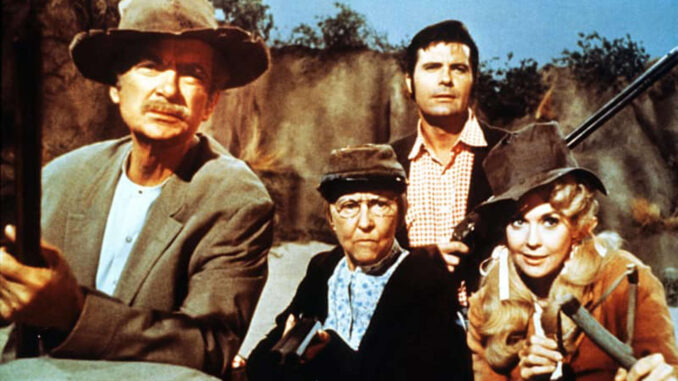
When The Beverly Hillbillies premiered on CBS in 1962, it quickly became one of the most-watched television shows in America. Yet despite its massive popularity, the series was met with sharp criticism from television critics and cultural commentators. This striking divide between critical disdain and audience affection raises an enduring question: how could a show so widely loved be so thoroughly dismissed by those tasked with evaluating its quality?
At the heart of the controversy was the show’s unapologetically broad comedic style. The Beverly Hillbillies relied heavily on exaggerated characters, rural stereotypes, and fish-out-of-water humor. Critics at the time viewed this approach as unsophisticated, accusing the series of promoting “lowbrow” entertainment that lacked intellectual depth. In an era when television was struggling to establish itself as a respectable artistic medium, many reviewers feared that shows like The Beverly Hillbillies undermined that effort.
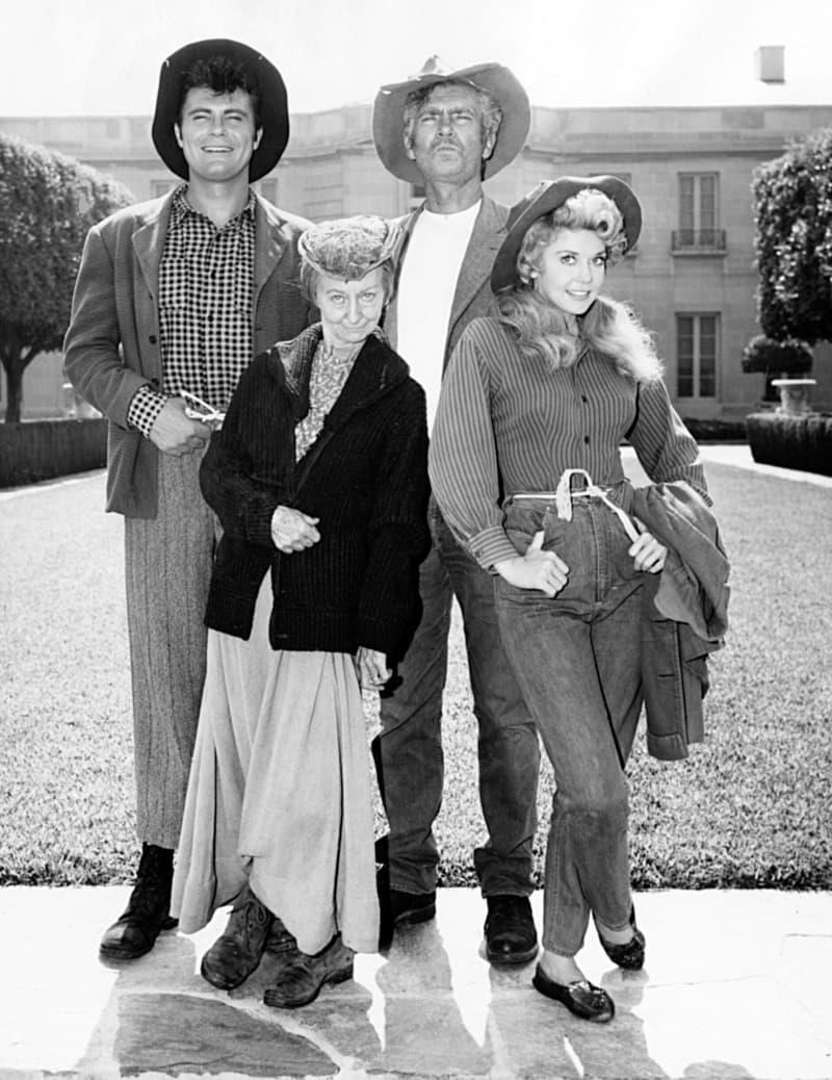
However, what critics perceived as artistic weakness was precisely what made the series appealing to viewers. Audiences were drawn to the Clampett family’s innocence, warmth, and moral clarity. Jed Clampett, despite his sudden wealth, remained honest, humble, and deeply rooted in traditional values. For many viewers, especially those outside urban centers, the show felt relatable rather than condescending. It reflected a way of life that was often ignored or caricatured elsewhere in mainstream media.
The critical backlash was also shaped by broader cultural anxieties of the early 1960s. American society was undergoing rapid urbanization and modernization, and television executives were increasingly catering to middle-class, urban tastes. Rural-themed comedies like The Beverly Hillbillies disrupted this narrative by centering characters who were wealthy yet culturally “out of place.” To critics, this inversion appeared regressive; to audiences, it was refreshing and reassuring.
Ironically, the very success of The Beverly Hillbillies forced the television industry to confront its own biases. The show dominated ratings for years, proving that mass appeal could not be dismissed as cultural failure. Its popularity also sparked a wave of rural sitcoms, reshaping network programming throughout the decade. While critics continued to question its artistic merit, the show demonstrated that emotional resonance and accessibility mattered just as much as critical approval.
In retrospect, The Beverly Hillbillies stands as a case study in the disconnect between cultural gatekeepers and the public. It challenges the assumption that critical judgment is the definitive measure of value and highlights how entertainment can succeed by speaking directly to its audience’s experiences and desires. More than half a century later, the debate surrounding the show remains relevant, reminding us that popularity and quality are not always mutually exclusive—and that sometimes, the shows critics dismiss are the ones that endure the longest.