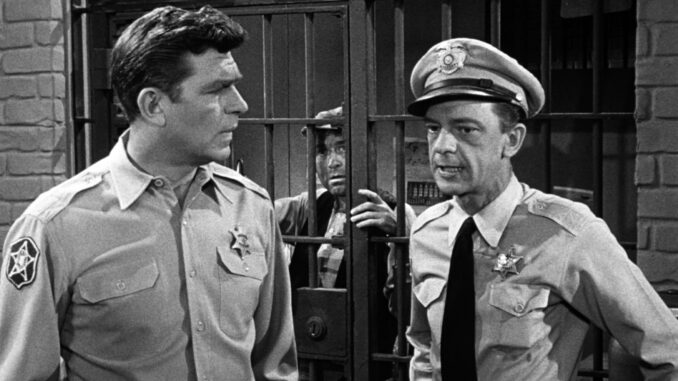
For decades, The Andy Griffith Show has been remembered as one of the safest, sweetest sitcoms in television history. Set in the fictional town of Mayberry, the series painted an almost fairy-tale version of small-town America—gentle humor, moral lessons, and a sheriff who rarely even carried a gun.
But when you look past the nostalgia, this beloved classic was much more controversial than most viewers remember.
A Perfect Town That Didn’t Reflect Reality
When the show premiered in 1960, America was anything but peaceful. The Civil Rights Movement was reshaping the nation, social norms were shifting, and television was beginning to reflect those tensions. The Andy Griffith Show, however, went in the opposite direction.
Mayberry existed in a bubble—largely untouched by national conflicts, social unrest, or political debate. Critics at the time (and many since) argued that the show wasn’t simply offering escapism, but actively avoiding reality, presenting a version of America that felt comforting yet misleading.
The Controversy of What Was Missing
One of the most frequently discussed issues surrounding the show is its near-total absence of Black characters, despite being set in North Carolina. This omission wasn’t accidental—it was a creative decision.
While the show avoided overt racism, its silence on race became controversial in hindsight. By creating a town where racial tension seemingly didn’t exist, The Andy Griffith Show was accused of sanitizing history, offering viewers a comforting illusion rather than an honest reflection of American life in the 1960s.
A Gentle Sheriff—and a Questionable View of Justice
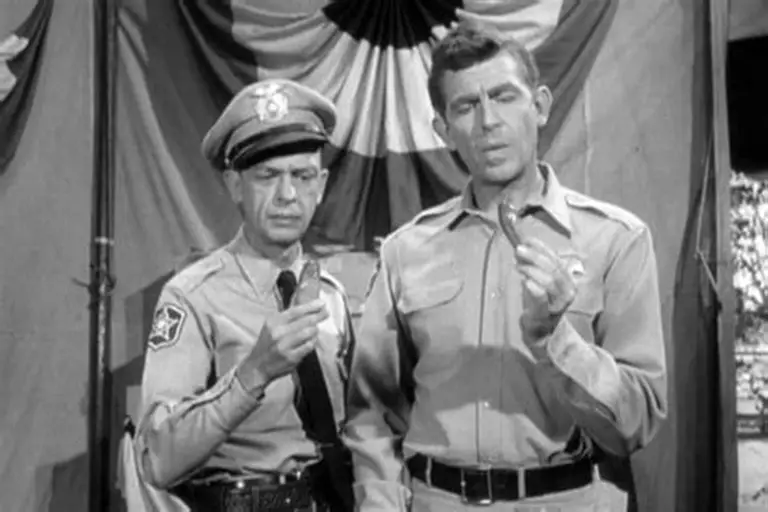
Sheriff Andy Taylor’s approach to law enforcement was famously soft-spoken and personal. He relied on wisdom, compassion, and community trust rather than strict legal procedure.
To many fans, this was the heart of the show. To critics, it was problematic. Andy often bent rules based on personal judgment, reinforcing the idea that justice worked best when guided by “good intentions” rather than systems or accountability. In an era increasingly focused on fairness and equal treatment under the law, this portrayal sparked quiet but persistent debate.
Progressive—and Yet Surprisingly Traditional
At first glance, Andy Taylor was a progressive TV father: a widower raising his son alone, emotionally available, and deeply involved in parenting. But the show’s treatment of women told a different story.
Female characters were often sidelined, rarely allowed the same depth or authority as their male counterparts. While The Andy Griffith Show broke ground in some areas, it also clung tightly to traditional gender roles, creating tension between its modern image and conservative undertones.
Why the Controversy Faded From Memory
So why don’t we talk about these issues more often?
Time softened the edges. As reruns became a symbol of comfort and nostalgia, The Andy Griffith Show transformed into a cultural safe space—something audiences returned to for warmth, not critical reflection. The controversies didn’t disappear; they were simply overshadowed by affection.
Final Thoughts
The Andy Griffith Show isn’t just a harmless sitcom frozen in black and white. It’s a revealing snapshot of what early television chose to show—and what it deliberately left out. Its legacy is not only built on laughter and life lessons, but also on the quiet controversies that still invite discussion today.
That tension between comfort and omission is exactly why the show remains relevant—and why it may be far more complicated than we remember.