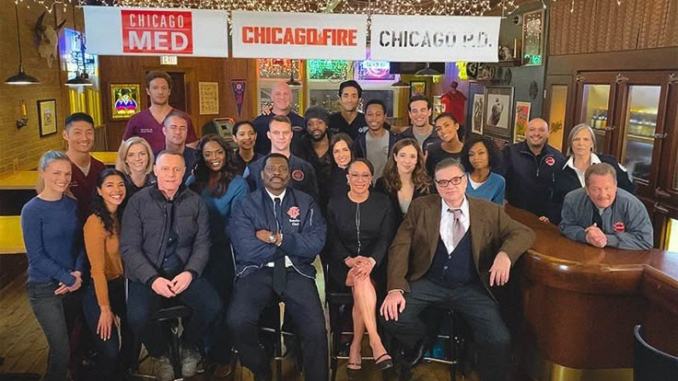
In the world of Chicago Fire, Chicago P.D., and Chicago Med, a “happy ending” is never destiny—it’s negotiation. Fans may hope love, loyalty, or heroism will be rewarded, but in the One Chicago universe, happiness is controlled by forces far outside the story.
The first and most powerful is reality itself. Actor contracts, creative renewals, and network decisions often determine who gets peace and who gets tragedy. When Matthew Casey left for Oregon, it felt earned and hopeful—but it was also practical. A clean exit usually means an actor departing on good terms. Sudden deaths and brutal twists, by contrast, often signal behind-the-scenes upheaval.
Then there’s tone. Chicago P.D., especially, operates under a grim rule: happiness cannot last. Moments of joy are temporary by design, used to heighten the impact of what’s about to be taken away. Stability kills momentum in a franchise built on crisis.
Finally, fans themselves shape outcomes. Ships, online pressure, and long-running demands can push writers toward weddings or reunions—but those victories are rarely permanent. In One Chicago, the real truth is simple and chilling: the only characters who get real happy endings are the ones who leave the city. Everyone else lives on borrowed joy, sirens always just around the corner.