
A Quiet Shift Fans Can’t Ignore
For years, Jamie Reagan has been the moral compass, the idealist, and often the emotional bridge within Blue Bloods. Lately, however, many longtime viewers have sensed a subtle but undeniable change in his journey—one that feels less like a new beginning and more like a slow, thoughtful goodbye. Nothing is announced outright, yet the tone of Jamie’s storylines carries a weight that suggests reflection, closure, and legacy rather than growth alone.
It’s this quiet shift that has left fans feeling emotional, even uneasy, as if the show is gently preparing them for something they’re not ready to face.
From Rookie Idealist to Seasoned Reagan
When Jamie first joined the NYPD, he was the wide-eyed rookie trying to live up to the Reagan name while defining himself on his own terms. His early seasons were fueled by moral debates, clashes with authority, and the constant tension between idealism and reality.
Over time, Jamie grew—not just in rank, but in perspective. The passionate debates softened into thoughtful leadership. The need to prove himself faded, replaced by a quiet confidence. That evolution was natural, but it also marked the completion of a character arc that feels… finished.
For many fans, Jamie no longer feels like someone on the verge of becoming something. He feels like someone who already is.
Marriage Changed the Emotional Center
Jamie’s marriage to Eddie marked one of the most significant turning points in his journey. Once defined by internal conflict, Jamie found balance in partnership. Their relationship grounded him, offering stability where there was once uncertainty.
But with that stability came something else: emotional resolution. The show no longer needs to explore Jamie’s loneliness, doubt, or search for belonging. Those questions have been answered. And in long-running television, answered questions often signal that a character’s purpose is nearing completion.
Fans haven’t missed that shift—and many are reading it as a sign of farewell energy rather than future conflict.
A Character Moving Into Legacy Mode
Recent storylines have positioned Jamie less as the learner and more as the mentor. He advises younger officers, navigates leadership dilemmas with calm authority, and increasingly mirrors the qualities once embodied by his father, Frank Reagan.
This transition is powerful—but also telling. When a character steps fully into a legacy role, the story stops asking “Who will he become?” and starts asking “What will he leave behind?”
That question lingers heavily over Jamie’s recent scenes, making his presence feel more reflective than forward-moving.
Fewer Conflicts, More Quiet Moments
Another reason Jamie’s journey feels like a goodbye is the nature of his screen time. His storylines have grown quieter, more intimate, and less confrontational. Instead of explosive conflicts, we see moments of contemplation—family dinners, private conversations, subtle emotional beats.
These moments are beautifully written, but they also feel like chapters closing rather than opening. It’s the storytelling language of resolution, not escalation.
Fans are left with the sense that the show is honoring Jamie’s journey rather than building toward a new one.
The Reagan Family Dynamic Has Shifted
Within the Reagan family, Jamie’s role has subtly changed as well. He is no longer the “youngest voice” challenging tradition. He has become a stabilizing force—someone others turn to rather than argue against.
This shift places him emotionally closer to Frank than ever before, reinforcing the idea that Jamie’s arc has come full circle. He has become the Reagan he once struggled to define himself against.
For viewers who watched that struggle from the beginning, the completion feels meaningful—but bittersweet.
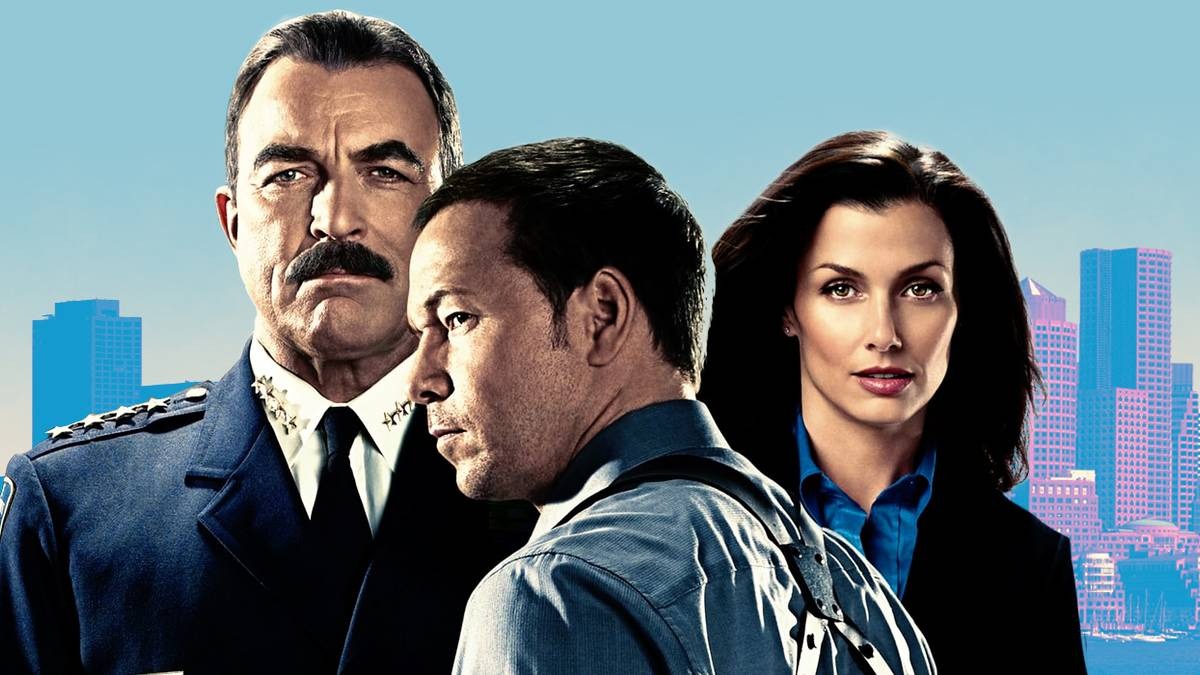
Fans Sense Emotional Finality, Not Narrative Shock
What makes this potential goodbye so powerful is its restraint. There are no dramatic hints, no shocking twists, no on-screen declarations. Instead, fans feel an emotional finality—a sense that Jamie’s story is being gently wrapped in dignity and respect.
That kind of storytelling often resonates more deeply than sudden exits. It allows viewers to grieve gradually, to appreciate what the character has been rather than fear what’s coming.
And perhaps that’s why the feeling is so strong: it doesn’t feel forced. It feels earned.
Why Jamie’s Journey Matters So Much
Jamie Reagan represents something rare in television: a character allowed to grow fully without losing his core values. His journey has been about integrity, family, and moral courage—qualities that anchored Blue Bloods through changing times.
For many fans, Jamie isn’t just a character. He’s a symbol of the show’s heart. Seeing that journey reach emotional completeness naturally stirs feelings of loss, even without an official farewell.
When a character embodies the soul of a series, their quiet evolution can feel like the beginning of an ending.
Is This Really Goodbye—or Just a New Chapter?
Of course, Blue Bloods has always valued continuity, and Jamie’s presence remains vital. Yet the emotional cues are hard to ignore. Whether this is truly a goodbye or simply a pause, fans are responding to the tone rather than the facts.
Sometimes, storytelling signals aren’t about departures—they’re about honoring what’s already been told. Jamie’s arc may not be ending in absence, but it may be ending in meaning.
And meaning can be just as emotional as loss.
The Bittersweet Beauty of Closure
If Jamie Reagan’s journey does represent a form of goodbye, it’s one done with care. There is no tragedy here—only fulfillment. No regret—only growth. And perhaps that’s what makes it so emotional.
Fans aren’t mourning what was taken away. They’re reflecting on what was given.
In a television landscape filled with abrupt endings and unfinished arcs, Jamie’s journey stands out as something rare: a story that feels complete.
Final Thoughts: Saying Goodbye Without Words
Whether Jamie Reagan leaves the screen or simply steps into a quieter legacy role, one thing is clear: his journey has reached a place of emotional resolution that feels like a farewell in spirit, if not in fact.
For fans who have watched him grow from rookie to Reagan, idealist to leader, the feeling is unmistakable. This isn’t just another chapter.
It feels like a goodbye whispered, not spoken—one that lingers long after the episode ends.