
Every December, as holiday playlists begin looping and office decorations reappear, millions of viewers return to the same familiar place: the Scranton branch of Dunder Mifflin. Despite The Office ending more than a decade ago, its Christmas episodes continue to draw audiences year after year. For many fans, rewatching these holiday specials has become a seasonal ritual, as essential as decorating a tree or exchanging gifts.
One reason for this tradition is comfort. The Office offers a sense of familiarity that few shows can match. The characters feel like old coworkers — awkward, annoying, but deeply familiar. When viewers press play on a Christmas episode, they already know what’s coming, and that predictability is part of the appeal. In a world that often feels uncertain, there is something reassuring about knowing exactly how the Yankee Swap will fall apart or how Dwight will interpret Christmas rules far too literally.
The Christmas episodes also capture a version of the holiday that feels authentic. Unlike many holiday specials that present an idealized, picture-perfect celebration, The Office embraces the messiness of Christmas. Office parties are uncomfortable. Gifts miss the mark. Emotions run high. Expectations go unmet. These episodes reflect that reality with painful accuracy, allowing viewers to laugh at situations they may have experienced themselves.
Emotion plays a key role in the lasting appeal of these episodes. Some of the show’s most heartfelt moments occur during Christmas. Jim’s teapot gift to Pam remains one of the most beloved scenes in the entire series, not because it is grand or dramatic, but because it is deeply personal. It represents thoughtfulness, restraint, and unspoken love — qualities that resonate more strongly as viewers grow older.
Michael Scott’s relationship with Christmas adds another emotional layer. To Michael, the holiday is about validation. He wants to be loved, remembered, and appreciated, and Christmas magnifies those desires. His over-the-top behavior — whether it’s hijacking Secret Santa or overspending on gifts — often leads to chaos, but beneath the humor lies genuine loneliness. As fans revisit these episodes later in life, Michael’s desperation feels less ridiculous and more human.
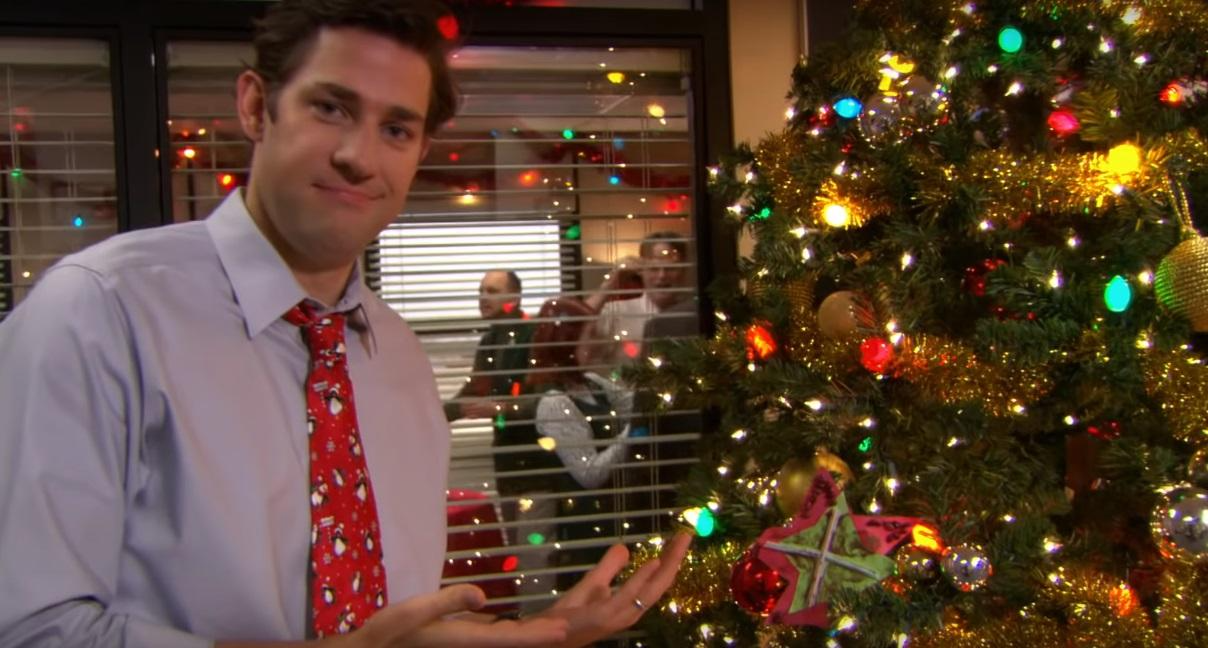 Dwight Schrute’s approach to Christmas, particularly in the later seasons, offers a different kind of comfort. His rigid traditions and bizarre rituals, such as the introduction of Belsnickel, may seem absurd, but they reflect a sincere commitment to meaning and structure. Dwight’s Christmas episodes suggest that there is no “correct” way to celebrate — only the way that feels authentic to the individual.
Rewatching these episodes also highlights how perspectives change over time. What once felt purely comedic can take on new emotional weight. Younger viewers may focus on the pranks or jokes, while older viewers notice the subtler themes: unfulfilled ambition, workplace dissatisfaction, or the longing for connection. The episodes evolve alongside the audience, revealing new layers with each viewing.
Nostalgia is another powerful factor. The Office Christmas episodes are firmly rooted in the early 2000s — from the music and fashion to the absence of smartphones. For many fans, rewatching them is a return to a simpler time. It’s not just about the show itself, but about who the viewer was when they first watched it.
Finally, these episodes endure because they understand the true spirit of the holidays. Christmas in The Office is not about perfection. It’s about people — flawed, awkward, well-meaning people — trying, and often failing, to connect. That sincerity is what keeps fans coming back.