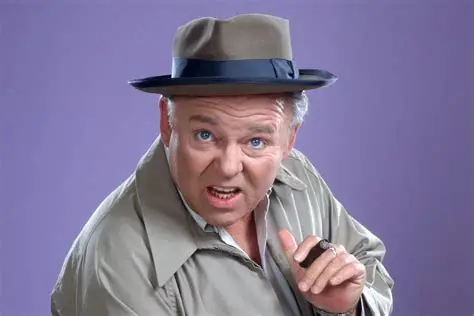
When All in the Family premiered in 1971, television audiences had never seen a character quite like Archie Bunker.
Loud, stubborn, and full of strong opinions, Archie quickly became one of the most talked-about characters in American television. Played brilliantly by Carroll O’Connor, the character sparked debates in living rooms across the country.
At first glance, Archie seemed like the exact opposite of a typical sitcom hero. He argued constantly with his liberal son-in-law Michael Stivic, struggled to understand the rapidly changing culture around him, and often expressed views that shocked audiences.
Yet somehow, viewers kept watching.
The reason may lie in the complexity of the character. Archie wasn’t simply written as a villain. Instead, he represented a generation of Americans trying to understand a world that was changing faster than they expected.
During the 1970s, the United States was experiencing enormous social shifts. Issues like civil rights, generational conflict, and political disagreement were everywhere. Instead of avoiding these topics, All in the Family placed them directly in the middle of the living room.
Archie became the voice of one side of that cultural divide, while characters like Michael challenged him from the other.
But the show also gave Archie moments of humanity. Beneath his stubborn exterior, he cared deeply for his family. His relationship with his wife, Edith Bunker, revealed a softer side that audiences could connect with.
Edith’s kindness often balanced Archie’s temper, reminding viewers that even the most difficult personalities can still love deeply.
This emotional balance is what made the character so compelling. Archie could be frustrating, funny, misguided, and heartfelt—all within the same episode.
Few sitcom characters have ever captured the contradictions of real people so honestly.
That’s why decades later, fans still talk about Archie Bunker. Not because he was perfect, but because he reflected the complicated conversations happening in real families at the time.
And in doing so, All in the Family changed television forever.