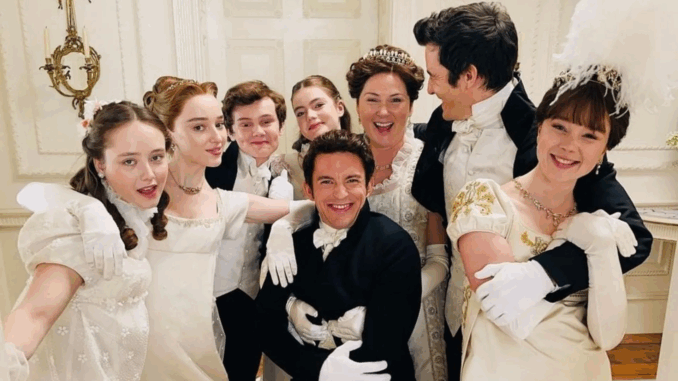
Part of what makes Bridgerton a global hit is how it updates and reimagines its source material for a modern audience — but that same freedom has, at times, sparked fierce backlash from fans of the original novels. Creative decisions, casting, and story restructuring have generated rumours, debates, and controversies.
One major point of contention emerged in Season 3, when the show changed a beloved character’s gender. In the original novels, Michael Stirling is male and becomes the love interest of Francesca Bridgerton. But the show reimagined Michael as female — renamed Michaela Stirling. Some lauded the move as progressive, praising increased LGBTQ+ representation. Others accused the producers of disrespecting the original story and alienating readers who had deep emotional bonds with the book versions.
 The author herself addressed the backlash, stating that the change was made after discussions with the showrunners and that she supported it, trusting that the adaptation would preserve the emotional core of the novel. Still, many fans remain unconvinced, arguing that the change alters the tone and dynamics in ways that depart from what they loved about the books.
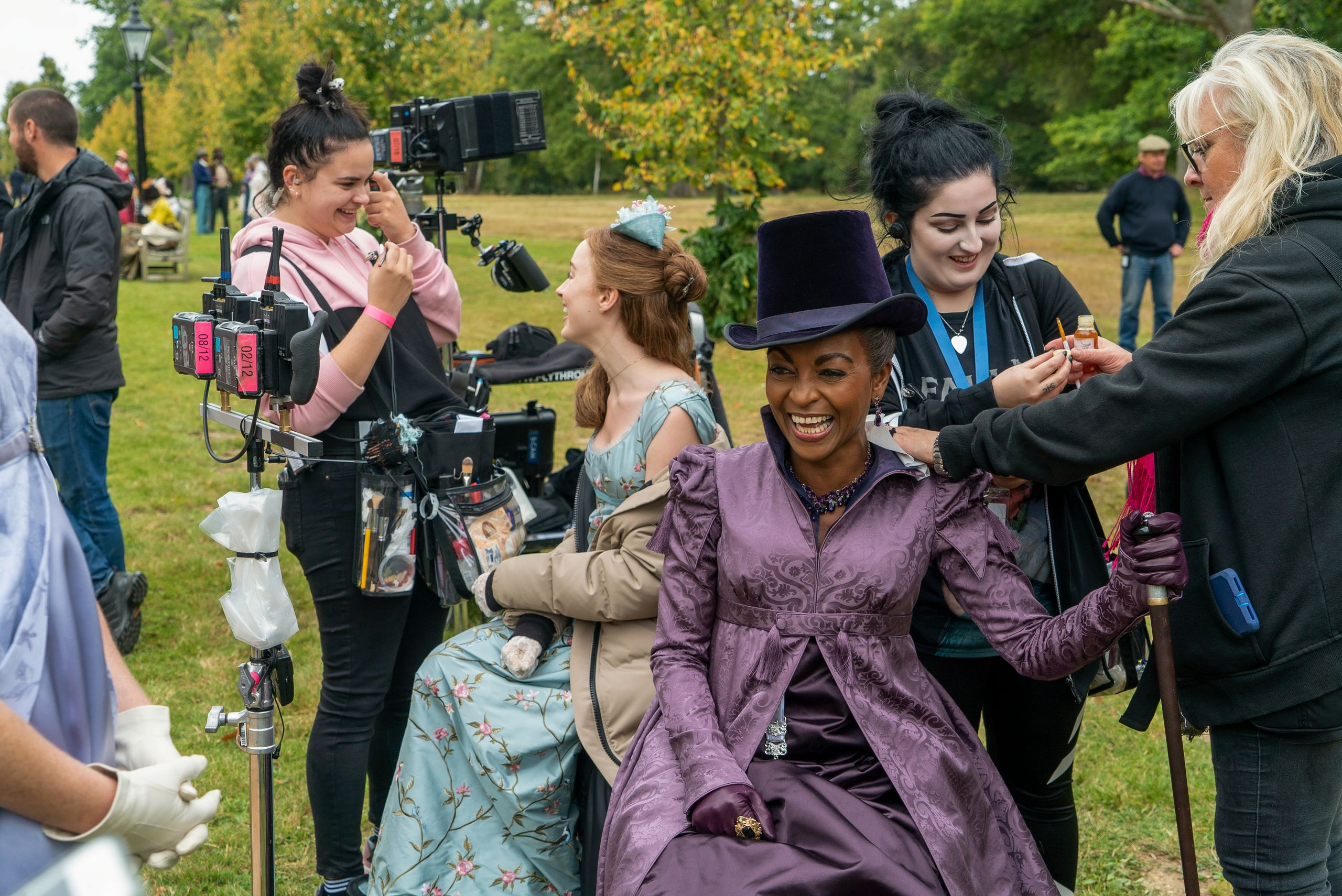
Another hot topic is the show’s evolving style and aesthetics. Some viewers believe the costumes, makeup, and overall styling have become too bold, modern, or even anachronistic for a “period drama.” Critics argued that these styling choices sometimes clashed with the historical setting, undermining immersion and authenticity.
Moreover, compressing, rearranging, or reworking storylines has led to confusion and frustration. Because the original novels follow a chronological order with each book centered on one Bridgerton sibling, some fans feel the show’s deviations break the natural progression. The third season departs not only in sequence but in character focus compared to the novels, making it one of the most polarizing seasons yet.
These creative shifts — gender swaps, storyline reordering, updated aesthetics — reflect the showrunners’ ambition to make Bridgerton fresh for contemporary viewers. But they also reveal the tightrope between adaptation and respect: will modernizing a beloved classic preserve its spirit, or risk alienating the core fanbase?