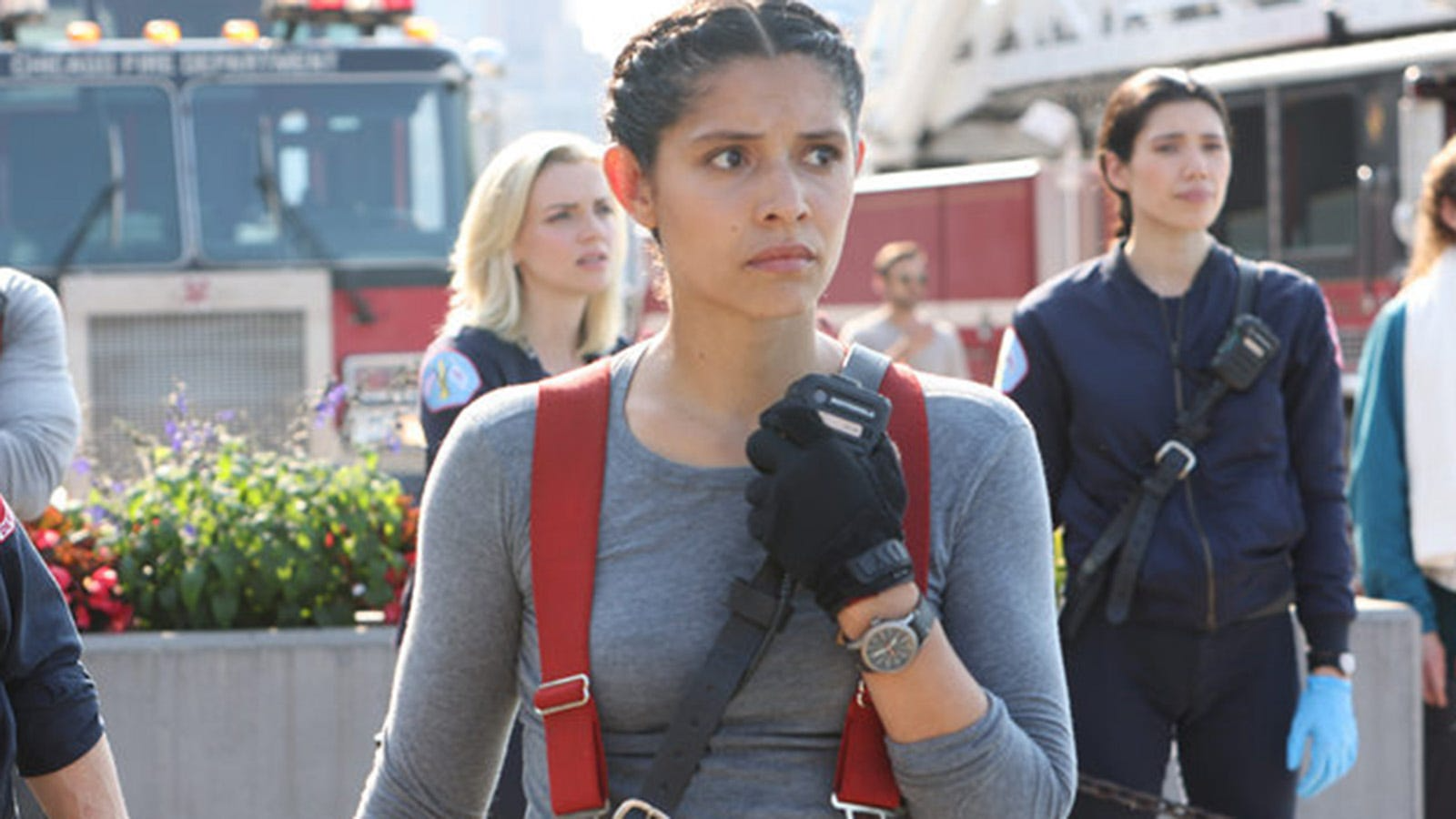
Stella Kidd has long been one of the most dynamic and emotionally grounded characters on Chicago Fire, so it’s no surprise that fans have started asking questions about her recent storyline. Subtle shifts in her behavior, unexpected absences, and growing tension around leadership have sparked speculation about where the show is heading with Stella—and whether major changes may be on the horizon.
At her core, Stella has always been defined by ambition, resilience, and a fierce sense of responsibility. From rising through the ranks to becoming a respected officer, she has consistently pushed herself to be better, not just for her own career, but for the people she leads. Lately, however, that drive appears to be colliding with emotional exhaustion. The weight of command, combined with the constant trauma of the job, is beginning to show in quieter, more restrained ways.
One noticeable shift is Stella’s increasingly internalized struggle. Rather than openly confronting problems, she has been shouldering them alone—making tough calls without seeking support and keeping her doubts close to the vest. This emotional isolation marks a change for a character who once relied heavily on teamwork and open communication. It suggests that Stella may be questioning not only her leadership, but also the personal cost of maintaining it.
Her relationship with Kelly Severide has also entered a more complicated phase. While their bond remains strong, the demands of their respective roles have created distance and unspoken tension. The show seems less interested in dramatic conflict and more focused on realism—how two driven people navigate love while carrying enormous professional responsibility. For fans, this subtle strain raises questions about whether their partnership will be tested in more serious ways ahead.
Professionally, Stella’s position at Firehouse 51 feels less secure than it once did. Shifting power dynamics, external scrutiny, and evolving expectations hint that she may soon face a defining choice: continue pushing forward at the risk of burnout, or step back and reassess what leadership truly means to her. Either path would represent a significant turning point in her journey.
Importantly, these developments don’t suggest that Stella is being written out or diminished. Instead, Chicago Fire appears to be deepening her storyline, allowing her to exist in the gray area between strength and vulnerability. This kind of storytelling reflects a more mature approach—one that acknowledges that even the most capable leaders can struggle silently.
So what’s really going on with Stella Kidd? She’s evolving. Her storyline is less about sudden shocks and more about long-term consequence, emotional realism, and personal reckoning. As Chicago Fire moves forward, Stella stands at a crossroads—and whatever choice she makes is likely to have a lasting impact on Firehouse 51 and the people who depend on her.