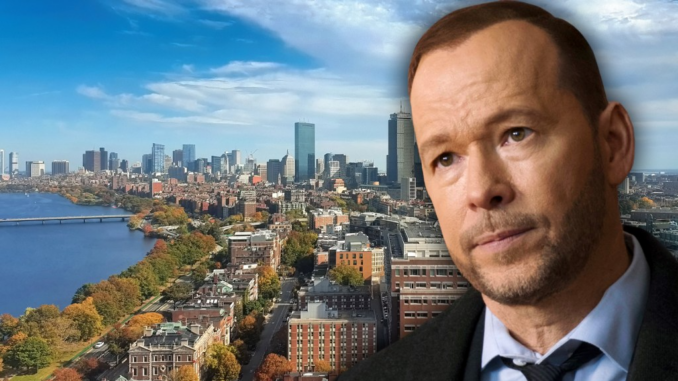
As Boston Blue prepares to debut, both fans and critics are asking: can this spin-off rise to the legacy of Blue Bloods, or will it struggle under the weight of expectations? The show’s creators seem aware of the challenge. They have signaled a willingness to adapt — embracing a fresh setting, new characters, and contemporary policing issues — while holding onto the core values that defined the original show: family loyalty, moral complexity, and doing the right thing under pressure.
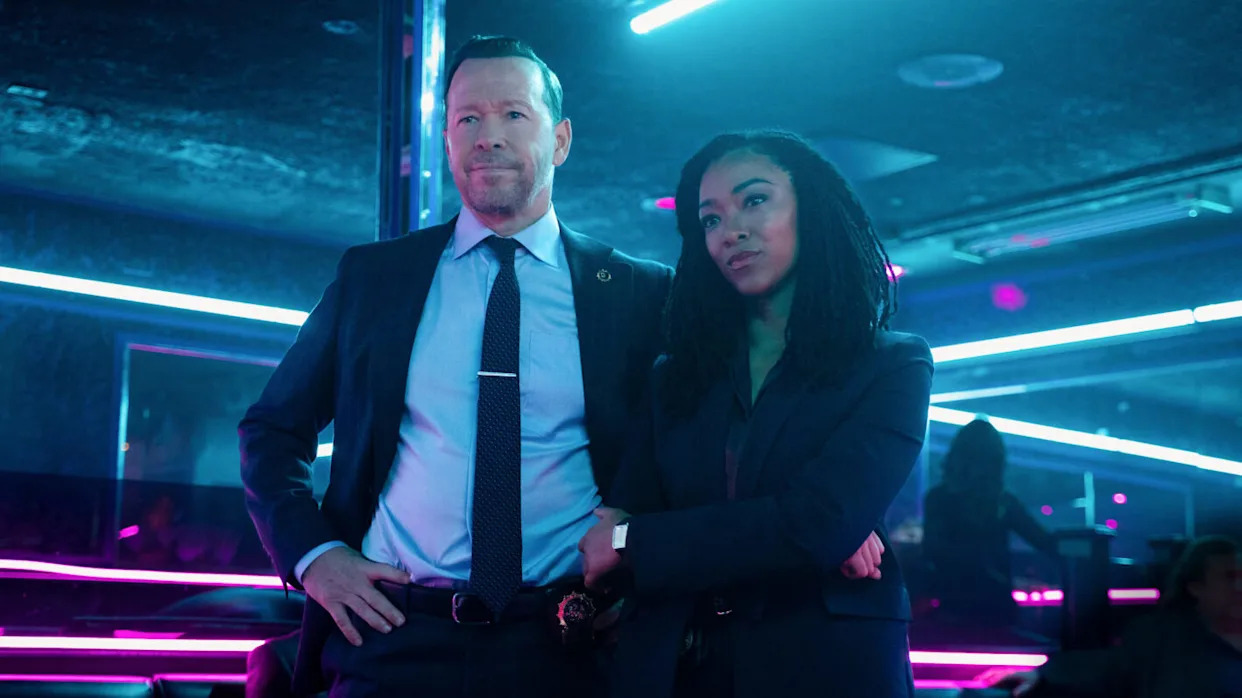 One key challenge is reproducing what made Blue Bloods special: the ensemble, the dinner-table family dialogues, the multigenerational dynamic. With many original characters absent, Boston Blue must reimagine those dynamics. Producers have hinted at possible cameos from former cast members, but have not confirmed details. The success of the series may depend on its ability to balance nostalgia with innovation — giving fans enough familiar touches to feel at home, while also offering fresh stories and relationships that stand on their own.
Another potential strength lies in the shift of environment. Boston — with its unique history, social climate, policing challenges, and urban texture — offers fertile ground for new storylines. The change of locale may bring class tension, legacy policing debates, and a chance to explore characters’ identities in a new city. For Danny and Sean Reagan, this may mean navigating unfamiliar alliances, confronting new enemies, and adapting to a different pace of life.
Above all, Boston Blue carries symbolic weight: it represents the evolution of television franchises in the 2020s. Shows no longer simply end — they transform. Whether this transition succeeds depends not just on leads and plotlines, but on emotional trust: does the audience believe the new chapter honours the old one? Only time will tell. But one thing is clear: the Reagan legacy isn’t over — it has just moved cities.