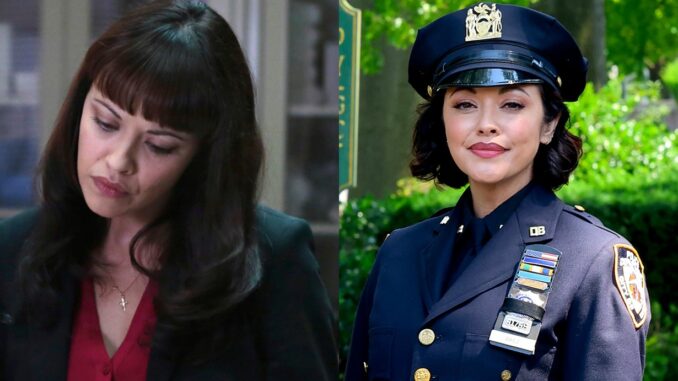
How a Loyal Fanbase Turned Concern Into a Movement
What began as quiet anxiety among longtime viewers quickly evolved into one of television’s most visible fan-driven campaigns. The “Save Blue Bloods” movement didn’t emerge overnight—it was the result of years of emotional investment, mounting uncertainty, and a deep sense of attachment to a series that had become a weekly ritual for millions. As questions swirled about the show’s future, fans mobilized with a singular goal: keep Blue Bloods alive for Season 15.
The campaign was fueled by love rather than outrage, a key reason it resonated so widely and gained traction far beyond typical online petitions.
Why Season 15 Became the Flashpoint
For many viewers, Season 14 felt like a crossroads. Storylines carried a sense of finality, character arcs hinted at closure, and network silence amplified speculation. While no definitive cancellation announcement had been made at the time, fans sensed that Blue Bloods—one of CBS’s longest-running dramas—was entering dangerous territory.
Season 15 became symbolic: not just another renewal, but a statement about legacy, loyalty, and whether network television still values long-term storytelling.
The Emotional Core of the Campaign
At the heart of “Save Blue Bloods” was emotion. Fans weren’t merely asking for more episodes—they were defending a show that had accompanied them through life milestones, family gatherings, and years of change. The Reagan family dinners, in particular, became a cultural touchstone, representing values of dialogue, disagreement, and unity.
Supporters often framed the campaign as a fight to preserve something rare in modern TV: a multigenerational drama that emphasized conversation over spectacle.
Social Media as the Campaign’s Engine
Platforms like X, Facebook, and Instagram became the campaign’s megaphone. Hashtags, fan art, video tributes, and personal testimonials flooded timelines, creating a steady drumbeat of visibility. Unlike short-lived trending moments, the “Save Blue Bloods” push sustained momentum over weeks.
Fans organized watch parties, coordinated posting schedules, and encouraged respectful engagement with network accounts. The tone remained largely constructive—an intentional strategy to demonstrate passion without hostility.
Petitions, Letters, and Old-School Advocacy
Beyond social media, supporters revived more traditional forms of advocacy. Online petitions gathered signatures rapidly, while handwritten letters and emails were sent to CBS executives and affiliates. Some fans even contacted local advertisers, emphasizing the show’s loyal, older-skewing audience—a demographic often prized for consistency.
This blend of digital and analog activism gave the campaign credibility, signaling that the support extended beyond fleeting online chatter.
The Cast Factor: Silent Support and Subtle Signals
While the cast largely avoided direct involvement, fans closely analyzed interviews and public appearances for hints of support. Subtle comments about gratitude, legacy, and appreciation were often interpreted as quiet alignment with the movement.
The absence of overt campaigning by actors actually strengthened the fan narrative: this was a grassroots effort, not a publicity stunt orchestrated from above.
Industry Context: Why Renewals Are Harder Than Ever
The campaign also tapped into broader industry anxieties. As networks face rising production costs, shifting viewer habits, and competition from streaming platforms, long-running procedurals are increasingly scrutinized—even when ratings remain solid.
Fans understood this context, which is why much of the messaging emphasized Blue Bloods’ stability: dependable ratings, syndication value, and a multigenerational audience rarely matched by newer shows.
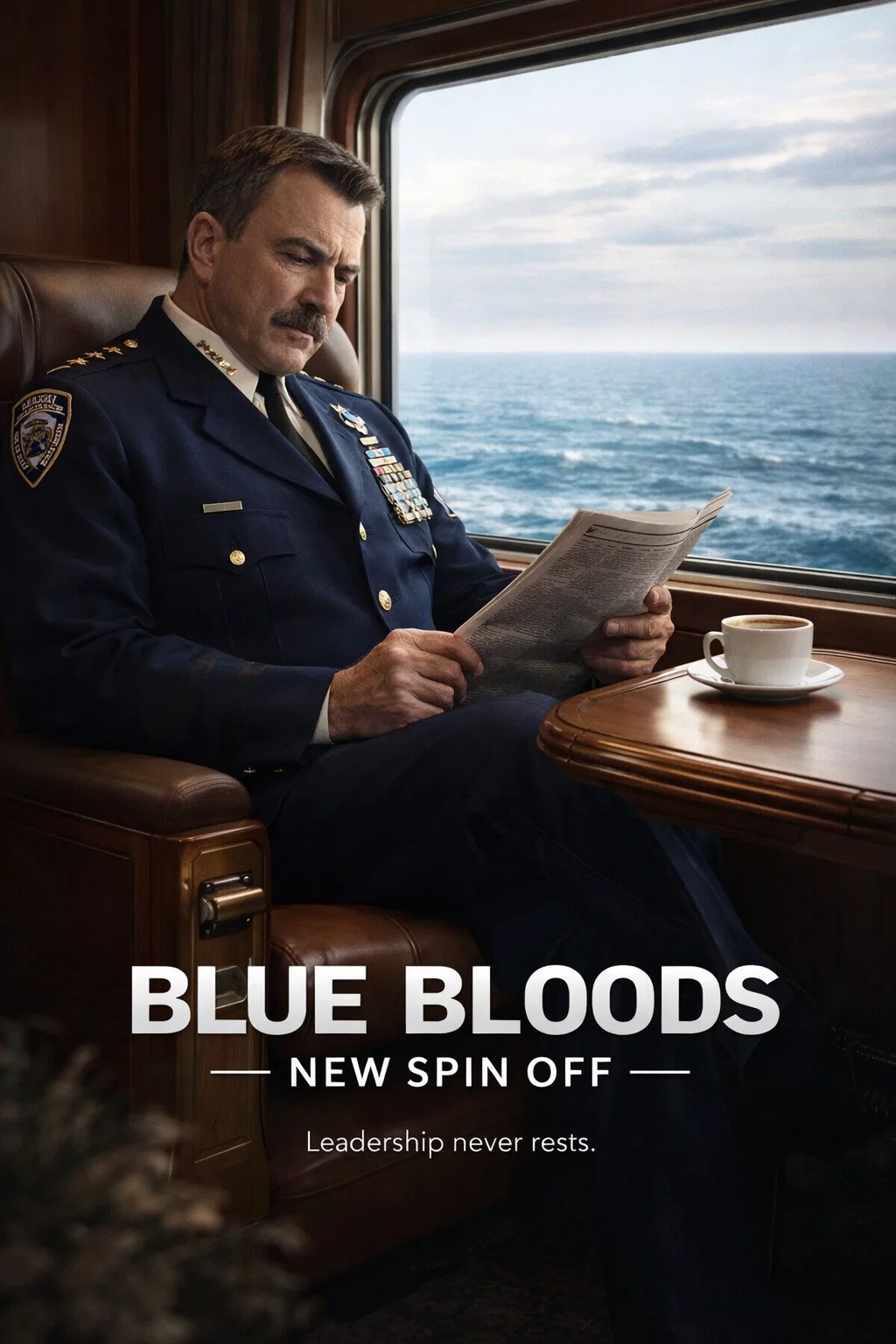
Was the Campaign Effective?
Whether fan campaigns directly influence renewal decisions is always debated. Networks weigh many factors—financial, creative, strategic—but visibility matters. The “Save Blue Bloods” movement ensured that any decision about Season 15 would be made with full awareness of the show’s passionate following.
At minimum, the campaign reframed the conversation. Instead of quiet speculation, the future of Blue Bloods became a public discussion about value, longevity, and respect for loyal audiences.
What the Campaign Revealed About Modern TV Fans
Perhaps the most important outcome wasn’t the renewal debate itself, but what the campaign revealed about fandom today. Viewers are no longer passive. They organize, strategize, and speak in unison—often with surprising discipline and clarity.
The Blue Bloods campaign showed that fans don’t just want content; they want continuity, acknowledgment, and a sense that their long-term loyalty still matters in a fast-moving industry.
The Legacy Question: Ending vs. Continuing
Even among supporters, there was thoughtful debate. Some argued that Blue Bloods deserved a carefully planned final season rather than an abrupt ending. Others believed the show still had stories worth telling and should continue as long as it remained creatively grounded.
What united both sides was the belief that the series deserved respect—either through renewal or a dignified conclusion, not quiet disappearance.
A Campaign Bigger Than One Show
In the end, “Save Blue Bloods” became about more than Season 15. It stood as a symbol of resistance against disposable television culture. It asked whether shows built on consistency, character, and conversation still have a place in an era obsessed with constant reinvention.
For CBS—and for the industry—the message was clear: loyal audiences are paying attention, and they are willing to fight for the stories that matter to them.
Final Thoughts: A Defining Moment for Fan Power
The real story behind the “Save Blue Bloods” campaign is one of connection. Connection between viewers and characters, between generations, and between fans themselves. Regardless of the final outcome, the movement proved that legacy shows still inspire passion—and that passion, when organized thoughtfully, can’t be ignored.
In a television landscape defined by change, Blue Bloods fans reminded everyone that some stories are worth holding onto.