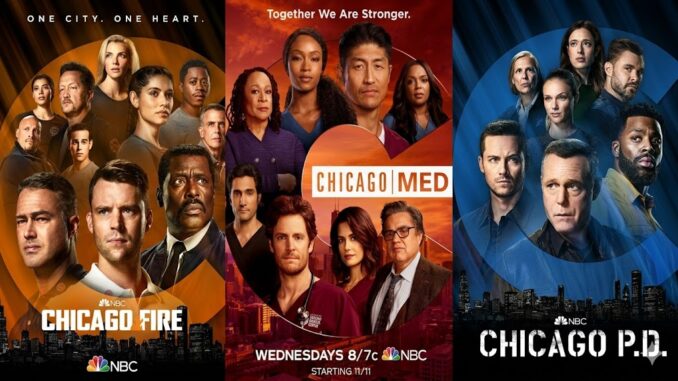
The March 4, 2026, One Chicago crossover “The Reckoning” was hailed by critics as the franchise’s biggest, boldest, and most emotional event yet—a three-hour spectacle spanning Chicago Fire, Med, and P.D. that unraveled a passenger jet emergency into a sprawling deadly conspiracy. With season-high ratings, nostalgic returns of Jesse Lee Soffer as Jay Halstead and Tracy Spiridakos as Hailey Upton, and death-defying sequences that included an actual airplane set piece, it delivered spectacle and sentiment in equal measure. Yet amid the praise, a vocal segment of longtime fans has voiced a growing sentiment: “This isn’t the same show anymore.”
Online forums, Reddit threads, and social media comments sections have lit up with reactions to the cumulative changes reshaping the Windy City universe. The core complaint? The ensemble feels fractured. Key departures and absences—most notably Patrick John Flueger’s Adam Ruzek missing the crossover entirely—have left gaps that reunions like Halstead and Upton couldn’t fully fill. “The crossover was epic, but where was Ruzek? It felt incomplete,” one Reddit user posted in r/ChicagoFireNBC. “The show used to be about the full team facing chaos together. Now it’s piecemeal.” Similar threads lament the aging original casts, the influx of newer characters who haven’t clicked the same way, and storylines that prioritize high-stakes spectacle over the grounded, character-driven procedurals that hooked viewers a decade ago.
Chicago P.D. draws particular ire. With Soffer’s 2022 exit, Spiridakos’ 2024 departure, and Flueger’s late-2025 hiatus (tied to Ruzek caring for his father amid Alzheimer’s), the Intelligence Unit has undergone significant turnover. Voight (Jason Beghe) remains the steadfast anchor, but fans argue the dynamic has shifted. “It’s not the same without Jay, Hailey, and Ruzek in the room,” a fan tweeted. “The banter, the history—it’s diluted now.” Beghe’s recent emotional comments about missing Soffer and cryptic hints about returns have only amplified the nostalgia, making current episodes feel like they’re playing catch-up.

Chicago Fire faces similar scrutiny. Taylor Kinney’s reflective “I need a change” interview highlighted fatigue after 14 seasons, while Jesse Spencer’s permanent move to projects like Last Days of the Space Age removed Matt Casey’s moral center. Though the show has introduced fresh faces and kept high-octane rescues central, some viewers feel the heart has shifted. “Severide and Kidd are great, but without Casey, it’s missing that steady leadership,” one commenter noted on One Chicago Center’s Facebook page. Recent episodes, including post-crossover fallout like “Do Not Resuscitate” on March 18, have leaned into new arcs—family struggles, trust issues, and evolving roles—but the changes haven’t universally landed.
Chicago Med isn’t immune either. The hospital drama has cycled through doctors and personal stakes, with some fans missing the early-season ensemble cohesion. The crossover’s focus on interconnected crises across the franchises highlighted strengths—shared lore, cross-character chemistry—but also exposed vulnerabilities: not every legacy player can return every time, and absences stand out more in event episodes.
Showrunners and NBC have emphasized evolution as necessary for longevity. The 2026 crossover broke from tradition in subtle ways—out-of-order airing for drama, federal angles, and a “death-defying” scale—while still honoring roots. Insiders note the franchise is adapting to real-world cast contracts, actor growth, and the need to refresh without alienating core audiences. Yet fan pushback persists: petitions for more legacy returns, calls to address Ruzek’s status head-on, and debates over whether the procedural formula still holds in an era of streaming competition.
For many, the frustration stems from love. “This isn’t hate; it’s disappointment because we care,” a forum post read. “One Chicago built something special—family in uniform, in scrubs, in badges. When pieces go missing, it hurts.” As the block resumes its Wednesday rhythm post-Olympics hiatus, with episodes tackling conspiracy aftermath and personal reckonings, the franchise faces a balancing act: honor the past while forging ahead.
Whether these changes signal a bold new chapter or a step too far remains divisive. But one thing unites fans: they’re still watching, still talking, still invested. In Chicago, change is inevitable—just like the city itself. The question now is whether the shows can evolve without losing what made them feel like home.