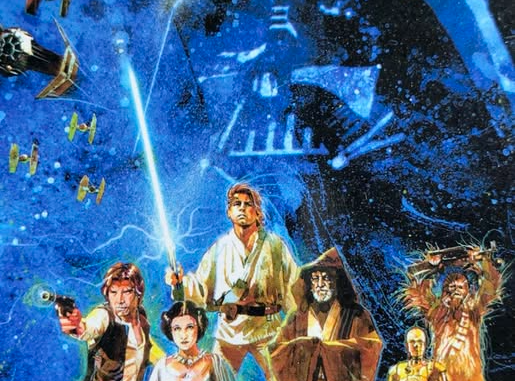
In a move few believed would ever happen, Disney has officially announced that the original 1977 theatrical cut of Star Wars will return to cinemas on February 19, 2027, marking the film’s 50th anniversary. Not the revised editions. Not the digitally altered versions. Not the “Special Edition.” The real one — the exact cut audiences experienced in 1977.
No “A New Hope” subtitle.
No CGI creatures awkwardly wandering through Mos Eisley.
No controversial Greedo-first shot.
Just the restored theatrical version that launched a cultural revolution.
For decades, fans debated whether this version would ever see the light of day again. Since the 1997 Special Edition revisions overseen by George Lucas, the original cut has been notoriously difficult to access in high quality. Lucas famously defended his updates as technological improvements, arguing that the film had finally become what he originally envisioned. But for many longtime viewers, the alterations erased the raw, scrappy magic that defined the saga’s birth.
Now, half a century after its premiere, the galaxy’s most influential space opera is returning in its untouched theatrical form — a decision that has sent shockwaves across the fandom.
Why This Is Bigger Than Nostalgia
The 1977 release of Star Wars was more than a hit film; it rewired Hollywood’s DNA. It redefined blockbuster marketing, visual effects, franchise storytelling, and fan culture itself. It introduced the world to Luke Skywalker, Princess Leia, and Han Solo in their purest cinematic form — before retroactive edits subtly reshaped pacing, tone, and even character motivations.
The infamous Greedo scene remains the most debated alteration in franchise history. In the 1977 version, Han Solo shoots first — a defining moment that cemented him as a morally ambiguous rogue. Later revisions softened that edge, igniting endless fan arguments about character integrity and artistic revisionism. By restoring the theatrical cut, Disney is effectively acknowledging that the original cultural artifact matters just as much as its creator’s evolving vision.
For many, this isn’t just a screening — it’s a reclamation.

The Fandom Reaction: Celebration and Suspicion
Online reactions have ranged from euphoric disbelief to cautious skepticism. Some fans are calling it “the ultimate apology tour,” while others wonder what prompted the decision after years of silence on the subject.
The timing is impossible to ignore. As the franchise evolves through streaming series and new cinematic directions, this return feels symbolic — a reminder of where it all began. With recent projects expanding the mythology in bold ways, revisiting the untouched origin could serve as both tribute and recalibration.
And let’s not overlook the generational impact. For younger audiences raised on polished CGI and remastered editions, this theatrical cut will feel almost radical in its restraint — grainier, leaner, and arguably more human.
A Subtle Shift in Legacy?
This move also reshapes how we view George Lucas’ legacy. For years, the narrative suggested the original cut was obsolete — replaced by technological upgrades and expanded lore. Bringing it back to theaters signals something profound: that history, even imperfect history, deserves preservation.
It is a rare admission in modern blockbuster culture, where revision and reboot are constant.
Whether this screening becomes a one-night celebration or the beginning of broader archival releases remains unknown. But one thing is certain: February 19, 2027, will not just commemorate 50 years of a film — it will mark the return of a moment in cinematic time that many believed was lost forever.
For the first time in decades, audiences will experience Star Wars exactly as moviegoers did in 1977 — not as it was later refined, but as it originally stunned the world.
And in an era dominated by digital perfection, that raw beginning may feel more revolutionary than ever.