For a show that has aired since 1965, Days of Our Lives carries a treasure trove of surprising behind-the-scenes trivia. While longtime viewers may know the major characters and story arcs, the backstage world of the series is just as fascinating. These thirty fun facts reveal how the show evolved, the creative risks writers took, and the humorous mishaps that shaped the beloved soap opera.
One of the most interesting secrets is that the original writers never expected Days to last longer than ten years. Soap operas in the 1960s typically had shorter lifespans, and producers believed audience tastes would shift toward primetime dramas. Instead, the show grew into a daytime institution. In fact, several early writers later admitted they wrote some storylines assuming they would be the finale—only for the series to continue for decades afterward.
Another fun fact involves the famous Horton Christmas ornaments. These unique, hand-painted ornaments featuring each character’s name have been used in the show for generations. What fans may not know is that several ornaments are originals from the 1960s and are treated like museum artifacts. Cast members say touching the ornaments during filming feels like connecting directly with the show’s long history.
The show’s scripts are another fascinating subject. Days produces so many episodes each year that writers work months in advance. At one point in the 1980s, the writers were working nearly a full year ahead. This created challenges when real-world events affected production schedules or actor availability. As a result, producers shortened the lead time to allow flexibility, especially when major actors left unexpectedly.
Another fun fact: the show’s legendary villain Stefano DiMera, portrayed by the late Joe Mascolo, originally appeared in a storyline meant to last only a few months. However, viewers loved the character’s charm, cunning, and flair for the dramatic. Instead of leaving, Stefano became one of the longest-running villains in soap history, frequently returning from apparent death—a running joke both fans and writers embraced.
 Fans may also be surprised to learn that location shoots were once a regular part of the production. During the 1970s and 1980s, the show filmed scenes in New York, New Orleans, and even parts of Mexico. Budget cuts in later decades limited travel, but for many viewers, those location episodes remain iconic.
Producers also revealed that the show’s wardrobe department stores thousands of clothing items. Some outfits worn by characters like Marlena, Hope, and Jennifer have been reused multiple years apart. Costume designers say this is intentional, as repeating outfits mirrors real life and helps maintain continuity.
Another interesting detail concerns the show’s hospital sets. The long corridors seen in countless scenes are actually very short hallways that camera operators shoot from specific angles to make them appear much longer. Actors often joke that they can walk the entire hospital in under thirty seconds.
One of the funniest behind-the-scenes stories involves the many accidental prop mishaps. Because soap operas film quickly, there is little time for retakes unless absolutely necessary. Cast members say coffee cups have spilled, chairs have collapsed, and background extras have walked into walls—all captured on camera and sometimes kept in the final edit because they appeared natural.
A surprisingly fun fact is that Days often includes subtle references to other NBC shows. Writers occasionally slip in Easter eggs—such as characters watching fictional versions of other series or mentioning cities tied to network history. Most viewers miss these small details, but dedicated fans enjoy hunting for them.
Another fascinating tidbit involves the show’s theme song. While the iconic orchestral music remains consistent, the tempo and instrumentation have been tweaked nearly a dozen times. In the early 1990s, producers experimented with a synthesized version, but fan response was negative, leading them to quickly revert to the traditional arrangement.
Much of the show’s charm comes from its characters’ evolving relationships. Behind the scenes, however, actors often have to navigate complex scripts involving breakups, makeups, betrayals, and even supernatural events. Several cast members say they keep personal charts to track their characters’ relationships, especially when storylines become unusually complicated.
Another captivating secret involves actor improvisation. While the show closely follows scripts, certain emotional scenes allow actors to improvise small gestures or lines. These unscripted moments often become fan favorites and even influence future story directions.
The show also has a history of tackling social issues long before they became mainstream topics. Days was one of the first soap operas to address interracial relationships, domestic violence, and mental health struggles. According to former producers, scripts involving heavy subjects required extensive research and consultation with experts.
One of the most delightful fun facts is that the cast often celebrates milestone episodes with theme parties behind the scenes. For the 10,000th episode, the set was decorated with thousands of tiny hourglass ornaments, while cast members dressed as iconic characters from the show’s early years.
Another humorous detail: the iconic fake babies used in birth scenes are notorious among cast members for looking unrealistically stiff. Several actors have joked about accidentally dropping the props because they weigh far less than actual infants.
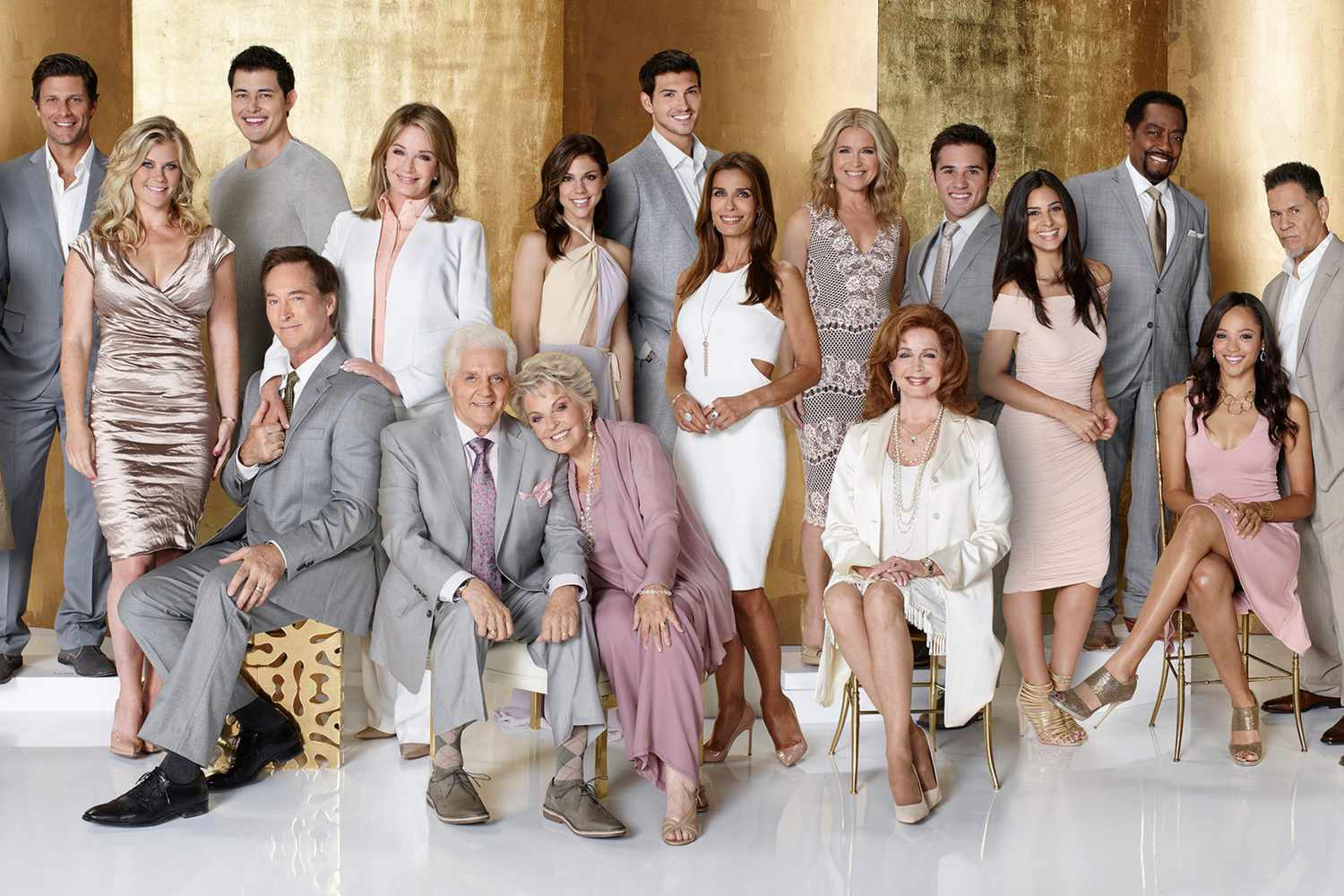
Yet despite the show’s dramatic scripts, the atmosphere on set is surprisingly lighthearted. Many cast members describe Days as a family, with long-term actors mentoring newcomers. Off-camera birthday celebrations, practical jokes, and shared meals are a routine part of production.
With its rich history and countless behind-the-scenes moments, Days of Our Lives continues to captivate audiences both on and off the screen. These fun facts reveal how much passion, humor, and creativity go into producing one of television’s most enduring dramas.