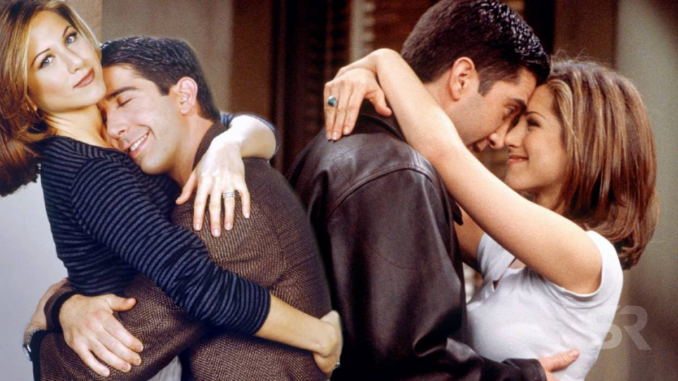
For years, fans believed the love story between Ross and Rachel was carefully planned from the very beginning of Friends. The reality is far more surprising — and far more romantic.
When Friends first entered development at NBC, the writers did not initially intend for Ross and Rachel to be the definitive endgame couple. Their relationship was meant to be complicated, uncertain, and possibly temporary. But everything changed during early rehearsals.
The turning point? The undeniable chemistry between David Schwimmer and Jennifer Aniston.
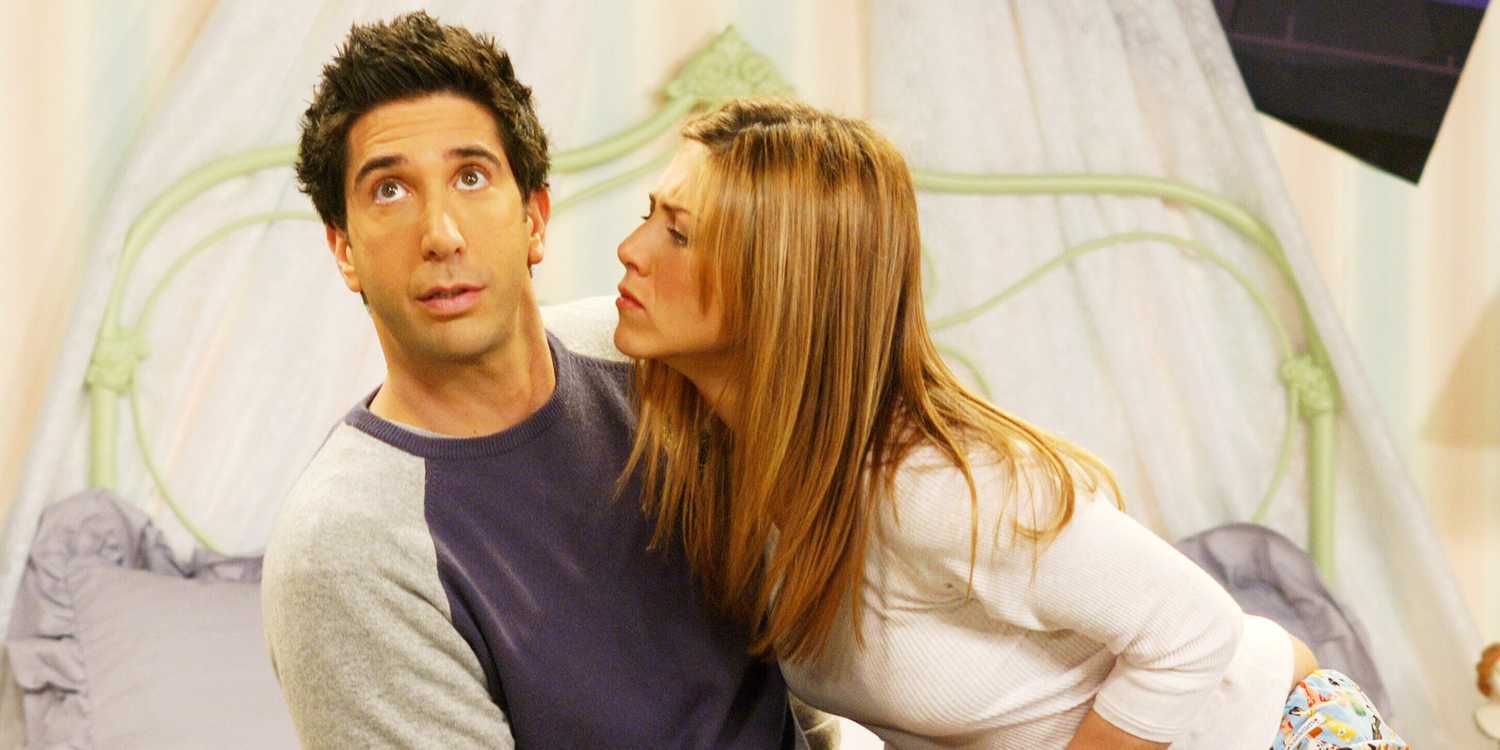
According to the show’s creators, what they witnessed wasn’t something you could script. It was raw, magnetic, and layered — attraction mixed with tension, sweetness blended with friction. That unexpected spark pushed the writers to rethink the long-term arc of the series. Ross and Rachel weren’t just a storyline anymore; they became the emotional spine of the show.
What makes the story even more compelling is what both actors later revealed. Schwimmer and Aniston admitted that during the early seasons, they had genuine crushes on each other. Yet the timing was never right. One of them was always in another relationship. Nothing ever happened off-screen — and perhaps that restraint is exactly what fueled the intensity on screen.
Aniston once reflected that they poured all of those unspoken feelings into their characters. She even told Schwimmer before filming their first big romantic moment, “It’s kind of sad that our first kiss might happen on TV.” And it did — in the now-iconic Central Perk coffee shop scene that changed television history.
Behind the scenes, even key breakup moments were reshaped in real time. In Season 2, Rachel was originally scripted to confront Ross directly about their issues. But a writer proposed the now-legendary “pros and cons” list — a creative decision that sharpened the emotional stakes and gave the storyline one of its most quoted conflicts. That single change deepened the fracture between them and intensified the “we were on a break” debate that still dominates pop culture discussions decades later.
When it came time to write the series finale, co-creator David Crane and the creative team seriously considered leaving Ross and Rachel’s future unresolved. They debated an ambiguous ending — something realistic, perhaps even bittersweet. Would they reconnect years later? Would they drift apart again? The uncertainty mirrored real life.
But ultimately, the creators made a decisive choice: give the audience emotional closure. After ten seasons of longing, heartbreak, jealousy, growth, and timing that never aligned, they brought Rachel off the plane and back to Ross. It wasn’t just fan service — it was a payoff to a decade of storytelling built on tension that started in a rehearsal room no one expected to be historic.
What makes this story feel fresh today is how differently audiences now interpret it. Younger viewers streaming the series question Ross’s behavior, debate Rachel’s independence, and reexamine whether the relationship was healthy or simply passionate. Meanwhile, longtime fans defend the pairing as one of television’s most iconic slow-burn romances.
In the end, the Ross and Rachel saga wasn’t just written by screenwriters. It was shaped by real emotions, real restraint, and real chemistry that blurred the line between fiction and reality. And that may be the true reason their story still feels alive — long after the cameras stopped rolling.