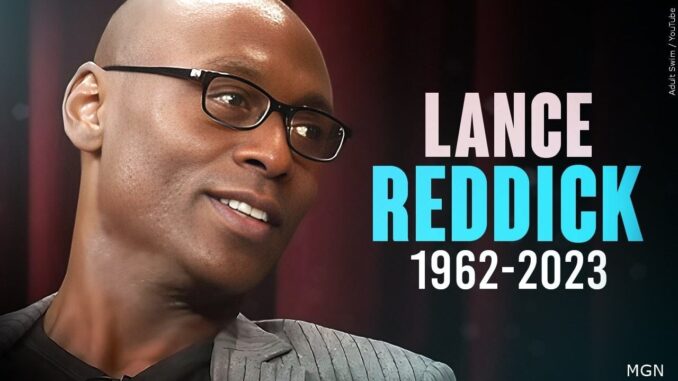
The television and film community continues to feel the profound loss of Lance Reddick, a singular talent whose commanding presence, resonant voice, and emotional intelligence elevated every project he touched. Though more than two years have passed since his sudden death in March 2023, the impact of Reddick’s work — and the affection audiences hold for him — has only deepened with time. For fans, colleagues, and creators alike, his absence is still felt as keenly as the day the news broke.
Born on June 7, 1962, in Baltimore, Maryland, Lance Solomon Reddick did not follow a conventional path to stardom. He studied classical music and composition before pivoting to acting, earning a Master of Fine Arts from Yale School of Drama. That rigorous foundation would become evident throughout his career: Reddick brought a disciplined, almost musical precision to his performances, balancing restraint and intensity in ways few actors could.
A Defining Presence on Television
Reddick’s breakthrough role came in 2002 as Lieutenant Cedric Daniels on HBO’s The Wire. In a series celebrated for its realism and depth, Daniels stood out as a portrait of quiet authority — a man navigating corruption, bureaucracy, and conscience with measured resolve. Reddick’s performance was never flashy, but it was unforgettable. He embodied leadership without sentimentality, allowing viewers to see both the cost and the necessity of integrity in a broken system.
The Wire became a cultural landmark, and Reddick’s work on it cemented his reputation as an actor capable of anchoring complex ensemble dramas. The role opened doors, but more importantly, it set a standard. Audiences learned that when Lance Reddick appeared on screen, the story mattered.
That promise was fulfilled again with Phillip Broyles on Fringe (2008–2013). As the stoic head of a fringe science division, Reddick grounded the show’s high-concept sci-fi elements with emotional gravity. His Broyles was controlled, analytical, and deeply human — a man holding chaos at bay through intellect and resolve. Over five seasons, Reddick helped transform Fringe into a cult favorite, earning loyalty from fans who still cite Broyles as one of television’s great understated heroes.
Expanding His Legacy Across Genres
Reddick’s career was marked by remarkable versatility. He moved seamlessly between drama, science fiction, action, and animation, bringing credibility to each. On Bosch, he portrayed Chief Irvin Irving, a politically astute and morally complex police leader. Across multiple seasons, Reddick turned Irving into one of the show’s most compelling figures — neither villain nor hero, but something far more interesting: a survivor of institutional power struggles.
In animation and video games, Reddick became iconic to a new generation. As Commander Zavala in the Destiny franchise, his voice alone conveyed leadership, sacrifice, and unwavering duty. For millions of players, Zavala wasn’t just a character — he was a guiding presence. Reddick’s unexpected enthusiasm for the role, including interacting with fans and celebrating the gaming community, revealed his genuine love for storytelling in all its forms.
His work in the John Wick film series as Charon, the impeccably composed concierge of the Continental Hotel, further demonstrated his unique screen magnetism. With minimal dialogue and maximum impact, Reddick created a character that fans instantly adored. Charon’s loyalty and calm professionalism became emotional anchors in a brutal, stylized world — and Reddick’s performance gave the franchise much of its soul.
An Artist Respected by His Peers
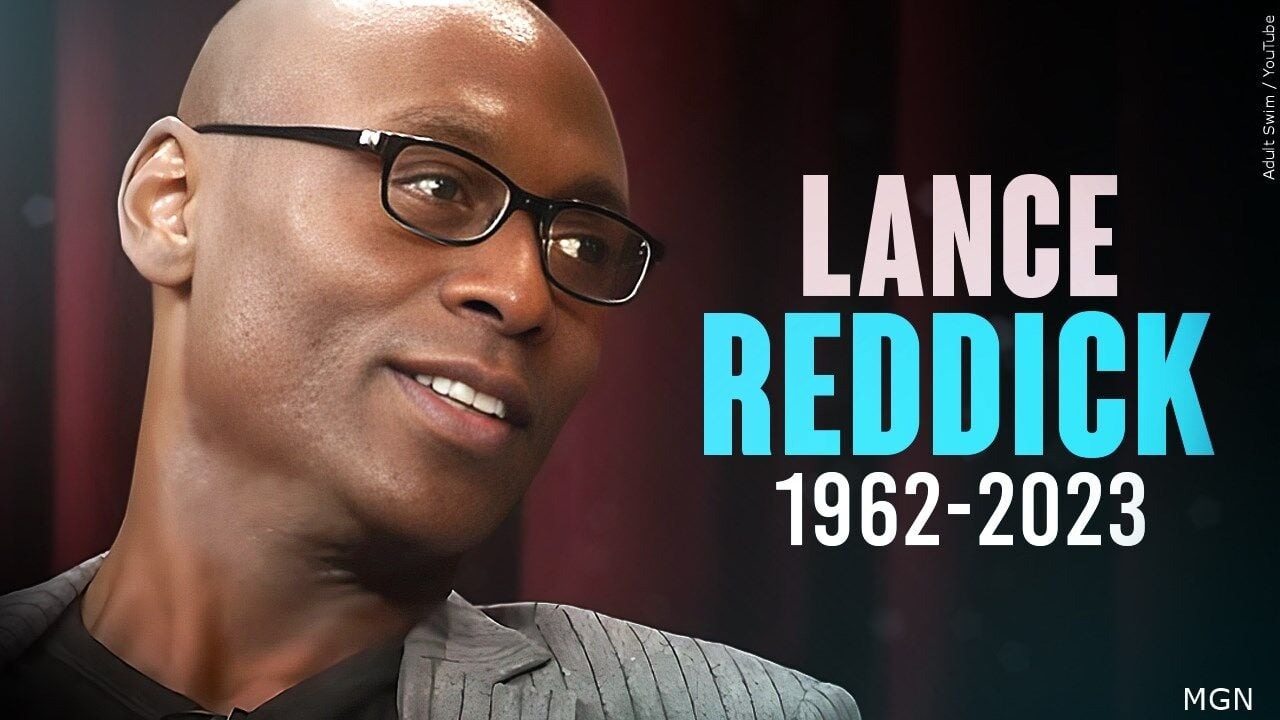
Beyond his on-screen achievements, Lance Reddick was widely admired for his professionalism, humility, and generosity. Colleagues consistently described him as prepared, thoughtful, and deeply respectful of the craft. He was known to elevate scenes not by dominating them, but by listening — responding with intention and clarity that made everyone around him better.
In interviews, Reddick spoke candidly about the challenges of Hollywood, the discipline required to sustain a long career, and the importance of meaningful roles over fleeting fame. He rejected easy categorization, choosing projects that resonated with him creatively rather than following trends. That integrity is evident in the body of work he left behind: cohesive, purposeful, and enduring.
A Sudden Loss That Shook the Industry
Reddick’s death at age 60 came as a shock to fans and the entertainment world. Tributes poured in from actors, directors, writers, and studios across television, film, and gaming. Many spoke not only of his talent, but of his kindness, intellect, and quiet mentorship. Memorials and dedications followed, underscoring how deeply he was valued.
For audiences, the loss felt personal. Reddick often played figures of stability — leaders, protectors, men of principle. Seeing those characters disappear so suddenly created a sense of collective grief. Rewatching his work now carries a different weight, a bittersweet awareness of what has been lost and what remains.
A Legacy That Endures
What makes Lance Reddick’s legacy so powerful is not just the number of roles he played, but the consistency of excellence he brought to each one. He proved that authority does not require volume, that strength can be quiet, and that intelligence on screen can be riveting. He trusted audiences to lean in, to listen, and to feel.
Years from now, new viewers will discover The Wire, Fringe, Bosch, John Wick, and countless other projects and experience that same moment of recognition: this actor is different. His performances will continue to inspire actors, writers, and fans who value depth over spectacle.
As the television world looks back on Lance Reddick’s life and career, the sentiment is clear. He was not just a remarkable actor; he was a pillar of modern storytelling. His work remains, his influence endures, and his presence — calm, commanding, and unmistakable — will never truly fade.
Lance Reddick is gone, but his voice, his characters, and his legacy will continue to speak for generations.