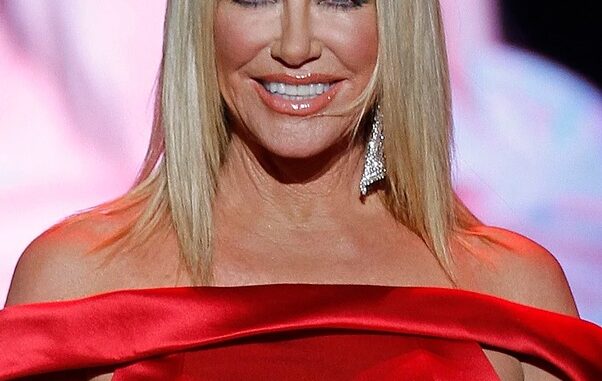
Before celebrities like Gwyneth Paltrow, Jenny McCarthy, or Mehmet Oz became widely known for promoting wellness trends, actress Suzanne Somers had already paved the way.
The television star, who rose to fame on the sitcom Three’s Company, built a powerful second career as a wellness entrepreneur and self-styled health advocate. While millions admired her for reinventing herself after Hollywood fame, critics argue that her influence also helped spread medical misinformation that still echoes today.
From Sitcom Star to Wellness Icon
Somers first became a household name in the late 1970s playing the bubbly Chrissy Snow on Three’s Company. But after her acting career slowed, she successfully transformed herself into a fitness and lifestyle entrepreneur.
Her biggest commercial success came with the ThighMaster, an exercise device that sold millions of units through television infomercials. Over time, Somers expanded her brand with diet books, workout programs, supplements, and anti-aging advice, creating a massive wellness empire.
She also authored more than two dozen books, many focusing on health, aging, and lifestyle changes — several of which became bestsellers.
A Health Message That Sparked Controversy
Despite her commercial success, Somers’ medical advice drew strong criticism from scientists and doctors.
One of the most controversial moments came when she publicly revealed she had declined chemotherapy after being diagnosed with breast cancer, choosing alternative treatments instead. Some physicians warned that such statements might encourage patients to avoid evidence-based cancer therapies that improve survival.
Somers also strongly promoted “bioidentical hormones,” claiming they were a safer and more natural option for treating menopause symptoms and maintaining youthfulness. Medical experts, however, warned that these treatments carry risks and were often marketed without sufficient scientific evidence.
Influencing the Wellness Industry
Many experts now believe Somers helped create a template for today’s celebrity wellness influencers.
By speaking directly to audiences through television appearances, books, and interviews, she built a strong personal connection with fans — a strategy that modern social media personalities now replicate online.
Media scholars say this direct communication style can make health advice feel more personal and trustworthy, even when the information lacks scientific backing.
A Complicated Legacy
Supporters remember Somers as a pioneer who empowered people to take charge of their health and aging. Critics, however, say her legacy highlights the dangers of celebrity-driven medical advice.
In an era now dominated by TikTok wellness trends and influencer health claims, the debate surrounding Somers’ career feels more relevant than ever.
Her story reflects both the power and the risks of celebrity influence in health culture — a phenomenon that continues to shape how millions of people think about medicine today.