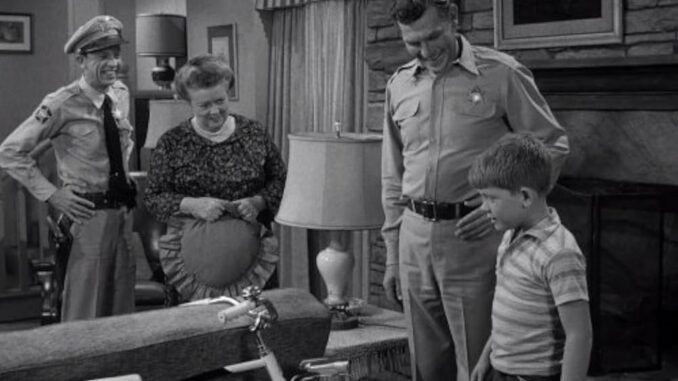
We all remember the whistling theme song, the dusty roads of Mayberry, and the wholesome wisdom of Sheriff Andy Taylor. The Andy Griffith Show is the gold standard of nostalgic television. But behind the porch swings and fishing holes lay a massive financial machine.
While Mayberry looked like a sleepy, low-budget town, the reality of producing a top-tier 1960s sitcom was anything but cheap. Let’s dive into the “lost” budget of The Andy Griffith Show and see where the money—and the sponsors—really went.
1. The Star’s Salary: Andy vs. The Rest
In the 1960s, the pay gap in Hollywood was already a chasm. Andy Griffith wasn’t just the star; he was a savvy businessman who eventually owned 50% of the show.
-
Andy Griffith: At his peak, Griffith was reportedly earning $25,000 per episode. In today’s money (adjusted for inflation), that is roughly $240,000 per week.
-
Don Knotts (Barney Fife): Despite being the heart of the show’s comedy, Knotts initially earned a mere $1,250 per episode. His manager famously called it a “terrible deal” that left the Emmy-winner struggling to save.
-
Betty Lynn (Thelma Lou): Proving that fame doesn’t always equal fortune, she was paid just $500 per episode.
2. The “Sole” Power: General Foods & The Ford Connection
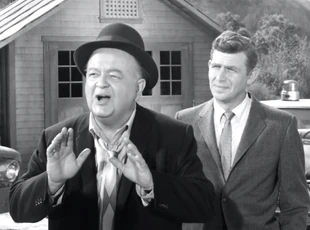
You didn’t see a variety of commercials during The Andy Griffith Show. For years, the show had a sole sponsor: General Foods.
They didn’t just buy ad spots; they integrated into the show. If you see Andy and Barney drinking Sanka Coffee or talking about Jell-O, that’s General Foods making sure their investment paid off.
The “Free” Cars: Have you ever noticed that every car in Mayberry—from Andy’s squad car to the townspeople’s trucks—was a brand-new Ford? That wasn’t a coincidence. The Ford Motor Company provided the vehicles as “promotional consideration,” ensuring Mayberry looked like a Ford-only utopia.
3. Production Costs: Why “Small Town” Cost Big Bucks
Though it looked like rural North Carolina, Mayberry was actually built in Culver City, California, on a backlot known as “Forty Acres.”
-
The Set: Maintaining a permanent “town” on a Hollywood lot was expensive. Producers had to pay for the upkeep of the courthouse, the Taylor house, and the iconic “sunken” street.
-
The Famous Splash: Even the opening credits cost money. When young Ron Howard (Opie) couldn’t throw the rock far enough into the lake, the production had to hire an assistant to hide behind a bush and throw a rock at the exact same time to create the perfect splash. Time is money, and “faking” a rock throw took multiple takes and extra crew hours!
The Bottom Line
While an average episode in the mid-60s cost between $40,000 and $60,000 to produce (a staggering amount at the time), it was one of the most profitable shows in history. Andy Griffith’s decision to take ownership instead of just a salary made him one of the wealthiest men in television once the show hit syndication.
Mayberry might have been a place where “life was simple,” but the business behind it was a masterclass in Hollywood financing.