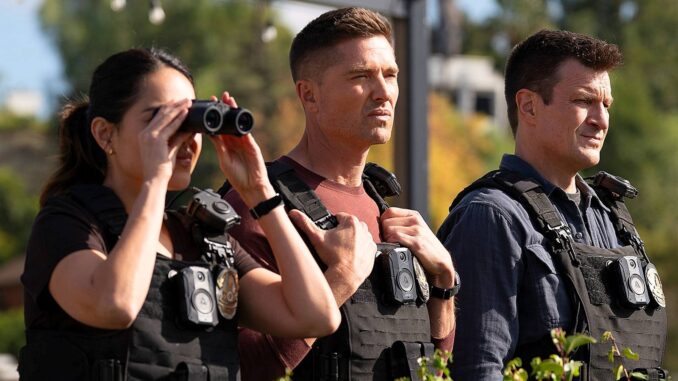
A Warning That Shook the Fandom
When producers of The Rookie recently hinted that “no one is safe,” the reaction from fans was immediate — and intense. In a series that has balanced emotional storytelling with procedural tension for years, the suggestion of a potential line-of-duty death feels like a seismic shift. Viewers have grown accustomed to high-stakes emergencies, but the idea that a core character could fall in active service raises the emotional stakes to an entirely new level.
The phrase wasn’t delivered lightly. It was measured, deliberate — and clearly designed to spark conversation heading into the latter half of the season.
The Weight of a Line-of-Duty Death
A line-of-duty death carries a different emotional gravity than most television losses. It isn’t just personal; it’s professional. It reverberates through the department, the community, and the families left behind. For a show centered on law enforcement officers navigating both danger and domestic life, such a loss would fundamentally reshape the narrative landscape.
Unlike off-screen departures or ambiguous exits, a line-of-duty death forces confrontation. There are uniforms at funerals. There are folded flags. There are empty lockers that once symbolized partnership and routine. The permanence of that kind of loss lingers.
That is precisely why fans are nervous.
Producers Lean Into Uncertainty
By teasing that “no one is safe,” the creative team appears to be embracing unpredictability as a storytelling device. Long-running series often struggle with maintaining suspense; audiences grow comfortable believing that main characters will always survive. Removing that safety net reinvigorates tension.
The message from behind the scenes suggests a desire to restore genuine risk. If viewers believe that consequences are real — that danger can truly alter the ensemble — every call, chase, and confrontation suddenly feels heavier.
It’s a bold narrative strategy. But it’s also a risky one.
Why Now? Timing Is Everything
The question many fans are asking is simple: why introduce the possibility of a line-of-duty death at this stage? After multiple seasons of character growth and relationship development, the ensemble feels deeply established. Emotional bonds between characters — and between the show and its audience — are stronger than ever.
That timing could be intentional. The more attached viewers are, the more impactful the loss would be. In storytelling terms, maximum attachment equals maximum emotional payoff.
Yet it also heightens the potential backlash. Killing off a beloved character can energize a series — or alienate its most loyal supporters.
Character Arcs Under the Microscope
Speculation is running wild about which character could be at risk. Fans are analyzing screen time, dialogue emphasis, and recent emotional beats for clues. In long-form television, major departures are often preceded by moments of reflection, reconciliation, or unresolved tension.
Has someone been given a sudden surge of focus? Has a storyline quietly wrapped up loose ends? These are the breadcrumbs viewers are now scrutinizing.
Producers know this pattern well. By acknowledging danger without confirming specifics, they have effectively turned every upcoming episode into a guessing game.
Emotional Fallout Would Be Massive
If a line-of-duty death were to occur, the emotional fallout would likely dominate the remainder of the season. Partnerships would fracture. Confidence would waver. Grief would ripple outward.
The show has historically handled trauma with care, allowing characters space to process rather than simply moving on. That precedent suggests that any major loss would not be used purely for shock value. Instead, it would likely serve as a catalyst for deeper exploration of duty, fear, and resilience.
Such an arc could redefine relationships across the ensemble.
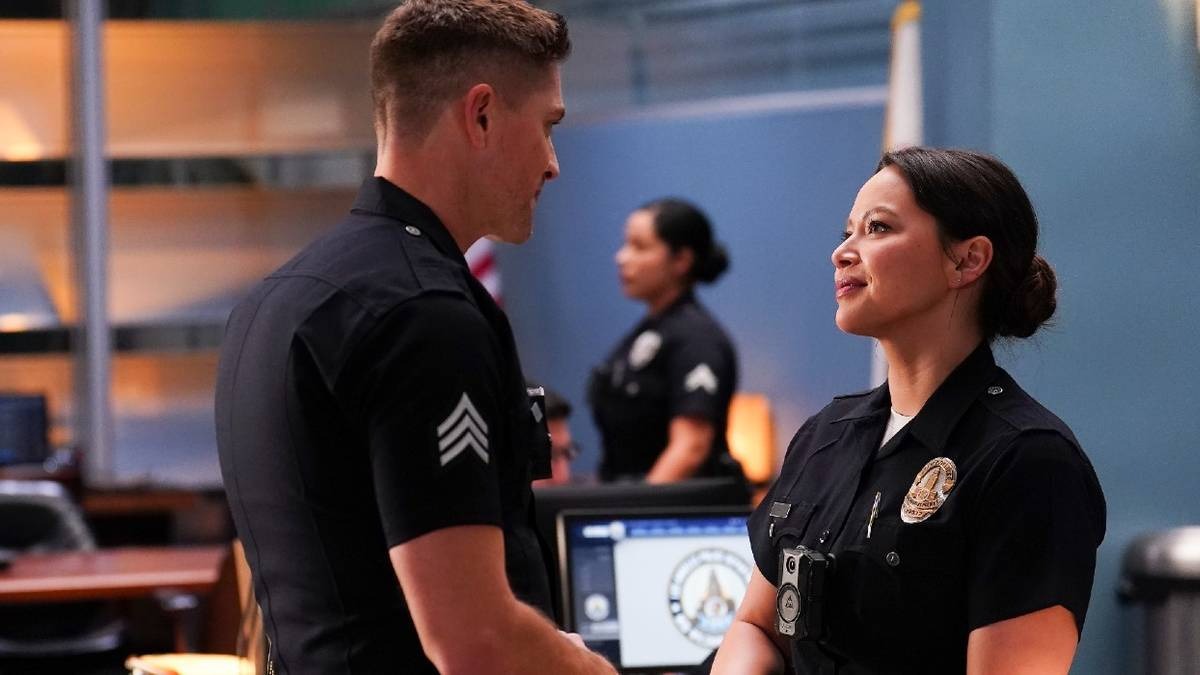
The Balance Between Shock and Substance
Television history is filled with examples of shocking character deaths that boosted short-term buzz but damaged long-term goodwill. The difference lies in execution. If a death emerges organically from character choices and thematic buildup, it can feel meaningful. If it appears arbitrary, audiences may perceive it as manipulative.
By teasing danger ahead of time, the producers may be attempting to prepare viewers emotionally. The warning acts as both a narrative signal and a protective cushion.
Still, the promise that “no one is safe” creates expectations. Delivering on that promise requires precision.
Audience Trust on the Line
One of the strengths of the series has been its careful balance of realism and hope. While danger is constant, survival has often reinforced the idea that teamwork and growth matter. Introducing permanent loss shifts that tone toward something darker.
The question becomes whether the audience is ready for that tonal evolution. Viewers invest not only in characters, but in the emotional contract a show establishes. Altering that contract requires trust.
If handled thoughtfully, a line-of-duty death could deepen the show’s realism. If mishandled, it could fracture the bond with its fan base.
A Reflection of Real-World Stakes
Law enforcement dramas frequently walk a line between entertainment and authenticity. Real officers face genuine risk every day. Acknowledging that reality through narrative consequence can add weight and credibility.
By reminding audiences that danger has lasting impact, the series reinforces the gravity of the profession it portrays. In that sense, the tease may be less about shock and more about honoring the stakes inherent in the job.
Yet fiction also offers escapism — and viewers must decide how much realism they want.
Silence as Strategy
Notably, the producers have offered no further clarification beyond the initial tease. That silence is strategic. It keeps speculation alive, fuels online discussion, and ensures viewers tune in week after week.
In today’s television landscape, conversation is currency. The possibility of a major loss generates headlines, theories, and emotional investment long before anything happens on screen.
Whether the death materializes or not, the mere suggestion has already succeeded in heightening anticipation.
What If No One Falls?
There is also the possibility that the warning serves as misdirection. By convincing audiences that a devastating loss is imminent, the show can amplify tension without necessarily delivering a fatal blow.
In that scenario, the tease itself becomes a narrative tool — one that sharpens every moment without permanently altering the ensemble.
But even if no character ultimately dies, the psychological shift has already occurred. Viewers are watching differently now.
Final Thoughts: A Season Defined by Risk
The idea of a line-of-duty death marks a turning point in how this season is perceived. Whether the threat becomes reality or remains an ominous shadow, the message from producers is clear: complacency is over.
By declaring that “no one is safe,” the series reintroduces vulnerability into its core. The uniform no longer guarantees survival. The badge no longer ensures tomorrow.
For fans, that means bracing for impact — emotionally and narratively. For the show, it represents a commitment to raising the stakes in a way that could redefine its legacy.
One thing is certain: every siren will sound louder now.