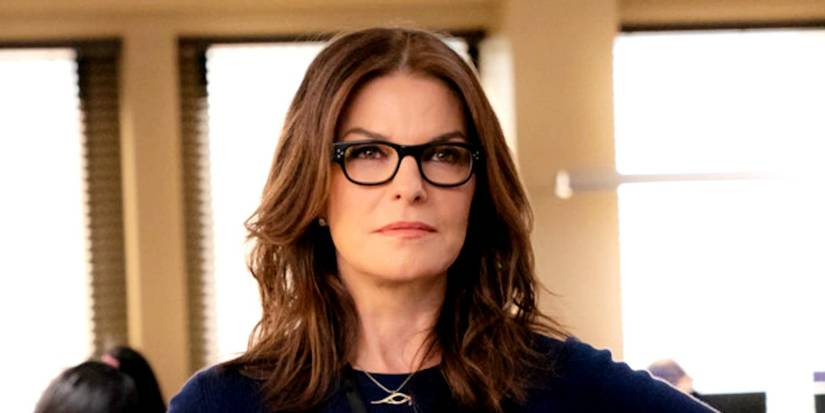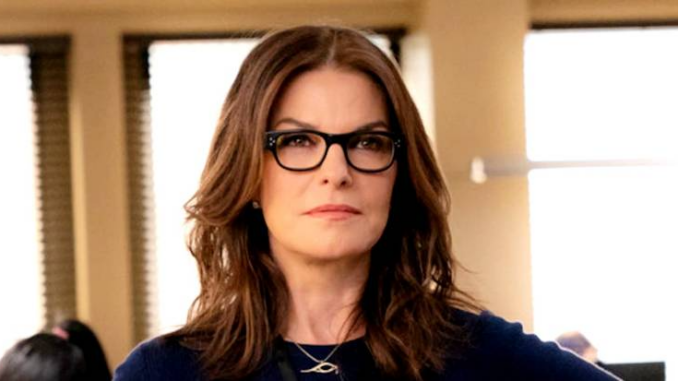
When the first season of CBS’s FBI concluded, fans were hit with a unexpected administrative bombshell: the departure of Dana Mosier. As the Special Agent in Charge (SAC) of the New York Field Office, Mosier was the formidable, high-ranking official who steered the ship, providing the strategic oversight for Maggie Bell and OA Zidan. Played by the legendary Sela Ward, the character brought a sophisticated, seasoned gravitas to the procedural. However, her retirement at the end of the inaugural season left a void in the leadership and a flurry of questions among the audience. Understanding the real reason behind Sela Ward’s departure requires looking at both the contractual realities of Hollywood and the creative evolution of a burgeoning television franchise.
The most straightforward explanation for Ward’s exit is found in the nature of her contract. Unlike many series leads who sign multi-year deals, Sela Ward had originally signed a one-year contract to appear in the series. She joined FBI during a transitional period for the show; the pilot originally featured Connie Nielsen as the SAC, but after Nielsen’s departure due to creative differences, Ward was brought in to stabilize the ship. Because she entered the fold with a short-term commitment, both the actress and the network were aware from the outset that her tenure might be brief. When the first season wrapped, Ward opted not to renew, choosing instead to pursue other interests and spend more time with her family, a decision she has made at various points in her illustrious career.
From a narrative perspective, the writers had to find a way to honor the character of Dana Mosier while facilitating a clean break for the show’s future. In the Season 1 finale, Mosier makes the difficult decision to retire after a high-stakes case involving a domestic terrorist. The plot point was designed to show the immense psychological and professional toll that leading the JOC (Joint Operations Center) takes on an individual. By allowing Mosier to “retire” rather than killing her off or having her disgraced, the showrunners left the door open for a legacy of respect. It portrayed her as a leader who knew when it was time to pass the torch, ensuring that her exit felt like a natural, if bittersweet, conclusion to her career rather than a forced plot twist.
However, the “real reason” the departure felt so significant was the creative shift it allowed the show to undergo in Season 2. Following Ward’s exit, the series brought in Alana de la Garza as Isobel Castille. While Dana Mosier was portrayed as a more traditional, somewhat maternal, yet strict authority figure, Isobel Castille brought a different energy—sharper, more politically savvy, and sometimes more willing to clash with her subordinates. This change in leadership allowed the show to explore different office dynamics and internal friction. While Ward’s performance was universally praised, some critics noted that the show needed a leader who could be more integrated into the gritty, fast-paced “Dick Wolf” style that the franchise was moving toward.
Sela Ward herself took to social media at the time to express her gratitude, stating how much she enjoyed her time with the “wonderful” cast and crew. Her departure was remarkably amicable, a rarity in an industry often plagued by “creative differences” or behind-the-scenes drama. She had accomplished exactly what she was brought in to do: she provided a recognizable, high-caliber face to anchor the show during its vulnerable first year, helping it find its footing in a crowded television landscape. Without her steady presence in Season 1, the show might not have built the solid foundation necessary to support the massive multi-show franchise it has become today.
Ultimately, Dana Mosier had to retire because the series was evolving. The transition from Sela Ward to Alana de la Garza marked the end of the “introductory phase” of FBI and the beginning of its era as a gritty, permanent fixture of the CBS lineup. While fans still look back fondly on Mosier’s calm, commanding presence and her protective nature over Maggie and OA, the move proved that the FBI brand was strong enough to survive major cast changes. It set a precedent for the show’s longevity, proving that while the agents and leaders may change, the mission of the Bureau remains the constant star of the show. Sela Ward’s one-season stint remains a masterclass in how to lead a show to success and exit on a high note, leaving the audience wanting more.