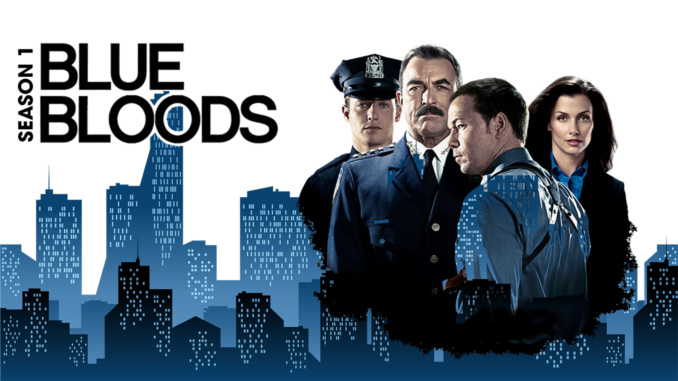
For fourteen seasons, Blue Bloods wasn’t just another police procedural. It was tradition. Sunday dinners. Moral dilemmas. Family loyalty tested under pressure. And now, even after its official farewell, the conversation surrounding the show has exploded all over again.
What was supposed to be a definitive ending has turned into something far more complicated. Cast interviews, fan campaigns, and industry whispers have reignited a question many thought was settled:
Is Blue Bloods truly over — or is the Reagan story about to evolve?
The Finale That Divided the Fandom
When the long-running CBS drama concluded its 14th season, viewers expected closure. Instead, many were left debating whether the final episode felt like an ending… or simply a pause.
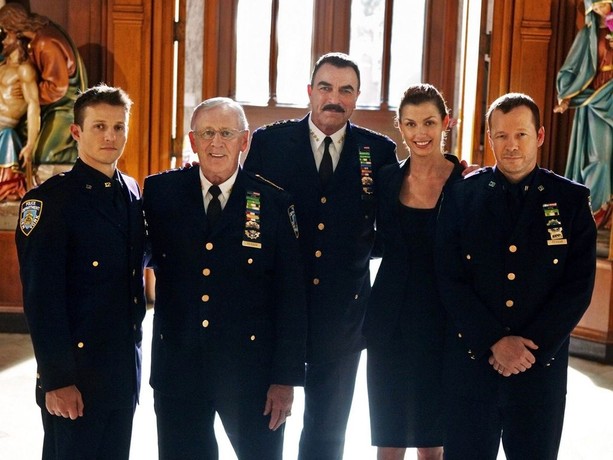
The final Reagan family dinner scene was emotional, reflective, and symbolic. But it also felt open-ended. Careers were still intact. Family bonds remained strong. No sweeping finality. No dramatic collapse of the dynasty.
For some fans, it was a respectful goodbye. For others, it felt like unfinished business.
And that’s where the renewed speculation began.
The Cast Speaks — Carefully
Much of the renewed buzz stems from comments made by lead actor Tom Selleck, who portrayed Commissioner Frank Reagan from day one.
In recent interviews, Selleck expressed disappointment that the show ended while still maintaining strong ratings. He hinted that the creative team had more stories to tell and suggested that the series could have continued successfully.
Those remarks alone reignited a passionate debate:
Was the ending creative — or corporate?
Meanwhile, co-stars like Donnie Wahlberg have remained emotionally vocal about the show’s impact, frequently thanking fans and subtly acknowledging how difficult it was to say goodbye.
Their tone? Grateful. But not entirely conclusive.
Why Season 14 Felt Like a Transition, Not a Finale
Throughout its final season, Blue Bloods leaned heavily into legacy themes:
-
Frank Reagan questioning the future of policing
-
Danny confronting life beyond constant personal sacrifice
-
Jamie stepping more confidently into leadership
-
Erin reassessing her political ambitions
These arcs felt reflective — but not terminal.
There were no drastic departures. No irreversible tragedies. Instead, the storytelling emphasized continuity. Stability. Endurance.
Which raises the question:
Was the door intentionally left open?
The Ratings Argument
One of the most talked-about aspects of the cancellation is the show’s consistent performance.
Unlike many aging dramas that quietly fade, Blue Bloods maintained a loyal audience and stable viewership. In an era where network television struggles to retain long-term audiences, that stability made its conclusion even more surprising.
Industry insiders point to rising production costs and contract negotiations as key factors. Long-running ensemble casts inevitably command higher salaries. Budgets tighten. Strategic shifts happen.
But from a purely audience-driven perspective, the appetite for more Reagan family stories clearly remained strong.
The Spin-Off Rumors Begin
Here’s where things get interesting.
As discussions intensified, speculation emerged about potential franchise expansion. Not a direct continuation — but a new chapter within the same universe.
Could Danny lead a new task force series?
Could Jamie anchor a next-generation procedural?
Could Erin’s political storyline open the door to a legal drama extension?
Nothing has been officially announced. Yet the structure of the final season makes such possibilities entirely plausible.
And in today’s television landscape, franchises rarely disappear completely.
The Power of the Reagan Family Formula
Part of what made Blue Bloods unique was its consistent moral framework. Unlike many modern procedurals that chase shock value, this show focused on ethical tension.
The weekly family dinner wasn’t just tradition — it was thematic architecture. It allowed opposing viewpoints to coexist under one roof. It grounded the high-stakes police drama in intimate family discourse.
That structure is timeless. And timeless formulas are rarely abandoned forever.
Social Media Refuses to Let It Go
Since the finale aired, fan campaigns have surged online calling for renewal, revival, or streaming continuation.
Some viewers argue that the series deserved a more definitive farewell. Others believe it ended too soon. Hashtags advocating for continuation trended repeatedly in the weeks following the finale.
In modern television economics, sustained fan momentum can influence decisions. Streaming platforms have revived shows before. Limited-series reunions are increasingly common.
The door isn’t locked — it’s just closed for now.
Is This the End of the Reagan Era?
Television history shows that endings are rarely absolute.
Cast reunions happen. Anniversary specials emerge. Spin-offs materialize years later. And when a show carries multi-generational themes like Blue Bloods, the narrative potential doesn’t disappear overnight.
Frank Reagan’s leadership legacy alone offers endless story possibilities.
The question isn’t whether the universe still has life.
It’s whether the network sees long-term value in returning to it.
A Legacy That Refuses to Fade
Over fourteen seasons, Blue Bloods became more than a crime drama. It became comfort viewing. Appointment television. A weekly moral debate wrapped in family loyalty.
Few network dramas achieve that longevity without cultural resonance.
Whether through revival, spin-off, or quiet permanence, the Reagan legacy has already secured its place in procedural television history.
But if recent comments and sustained fan passion prove anything, it’s this:
The final family dinner may not have been the last one after all.
And until an official statement permanently closes the case, the debate will continue.