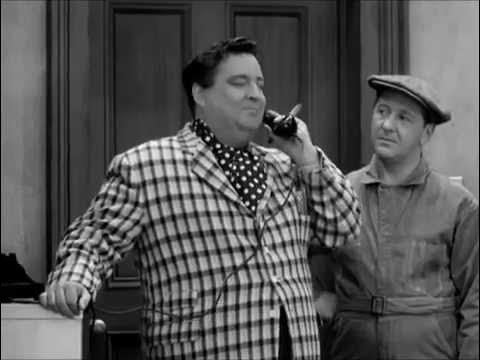
For many fans, The Honeymooners is remembered as a lighthearted classic from the golden age of television. The image most people recall is simple: a loud but lovable bus driver, his patient wife, and a few hilarious misunderstandings in a tiny Brooklyn apartment. But when modern viewers revisit the original episodes today, many are surprised by something unexpected — the show can feel much darker, harsher, and meaner than its nostalgic reputation suggests.
At the center of the show is Ralph Kramden, played by the legendary Jackie Gleason. Ralph is often remembered as a lovable dreamer constantly chasing get-rich-quick schemes. But watching the show now, it becomes clear that Ralph’s temper and frustration were a huge part of his character. He frequently shouted at his wife, slammed furniture, and threatened his famous line about sending someone “to the moon.”
His wife Alice Kramden, portrayed by Audrey Meadows, was the voice of reason in the relationship. Alice responded to Ralph’s anger with sarcasm, sharp wit, and calm confidence. Their constant arguments were played for laughs, but they also reflected the genuine stress of working-class life in the 1950s — something that few sitcoms at the time dared to show.
Another important part of the show was Ralph’s loyal but eccentric best friend Ed Norton, played by Art Carney. Norton’s cheerful personality often balanced Ralph’s explosive temper, but he also helped fuel many of Ralph’s unrealistic business schemes. Together, the two characters created chaotic situations that usually ended in failure.
Looking back today, some of the humor can feel uncomfortable to modern audiences. The yelling, the insults, and the exaggerated threats between Ralph and Alice might not easily fit the tone of today’s television standards. In the 1950s, however, audiences understood the dynamic as broad comedy. The arguments were part of a theatrical style of humor that came from vaudeville traditions rather than modern realism.
Despite its rough edges, the show also revealed something deeper. Beneath all the shouting and sarcasm, Ralph and Alice clearly cared about each other. Their marriage wasn’t perfect, but it felt authentic. They worried about money, dreamed about a better future, and struggled with everyday frustrations — realities that many viewers recognized from their own lives.
That honesty is part of what made The Honeymooners so influential. Long before modern sitcoms began exploring flawed relationships, the show was already presenting marriage as complicated, messy, and sometimes frustrating.
Today, revisiting the series can feel surprising. What once seemed like harmless comedy now reveals a much sharper, more intense portrait of working-class life and marriage. And while some of its rougher humor might spark debate if it premiered today, its impact on television history is impossible to ignore.
In many ways, The Honeymooners didn’t just make people laugh — it quietly changed how sitcoms portrayed real life.