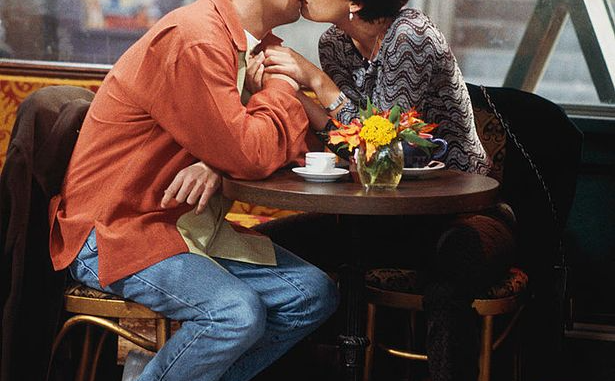
For a show that ended in 2004, Friends refuses to stay in the past. More than two decades after its emotional finale, the cast of Friends continues to dominate headlines—and the latest wave of attention has sparked passionate debate across generations of fans.
What started as nostalgia has evolved into something far more complicated. Between reunion revelations, renewed criticism of the show’s legacy, and the lingering emotional impact of recent real-world events, Friends is once again at the center of pop culture conversation.
So what exactly has everyone talking?
The Reunion That Reopened Old Doors
When Friends: The Reunion aired, it was meant to be a celebration. A heartfelt return to Stage 24. A tribute to a cultural phenomenon. And for many viewers, it delivered.
Seeing Jennifer Aniston, Courteney Cox, Lisa Kudrow, Matt LeBlanc, Matthew Perry, and David Schwimmer sit together again felt surreal. Table reads. Behind-the-scenes confessions. Untold crushes. Emotional tears.
But beyond the nostalgia, something else happened: fans began reexamining the show through a modern lens.
Clips went viral. Old storylines were dissected. Certain jokes sparked renewed debate about representation, gender dynamics, and cultural sensitivity.
Suddenly, the reunion wasn’t just a look back. It was a cultural reckoning.
Matthew Perry’s Legacy: A Heartbreaking Shift in the Conversation
The tragic passing of Matthew Perry in 2023 changed everything.
For years, Perry had been candid about his struggles with addiction, even detailing his journey in his memoir, Friends, Lovers, and the Big Terrible Thing. Fans revisited old episodes, noticing moments where his health visibly fluctuated. Interviews resurfaced. Quotes took on new weight.
What was once lighthearted sitcom history became something more fragile—more human.
The internet filled with tributes. Co-stars shared deeply personal statements. Scenes featuring Chandler Bing suddenly felt different. Funnier, yes—but also heavier.
In the wake of his passing, debates emerged: Did the industry protect him enough? Did fame make recovery harder? And how should fans now engage with a show so tied to his legacy?
It wasn’t just mourning. It was reflection.

The “Problematic” Debate—Is Friends Aging Well?
As Gen Z audiences discover the series on streaming platforms, a new wave of discourse has emerged.
Critics argue the show lacks diversity reflective of 1990s New York. Others point to storylines involving body image, sexuality, and gender stereotypes as outdated.
At the same time, longtime fans push back.
They argue that Friends was a product of its era—one that actually broke ground in certain areas, including mainstream LGBTQ+ storylines and portrayals of unconventional family structures.
The debate has become intense:
Is Friends a timeless comfort show?
Or a relic that needs contextualization?
The truth likely lives somewhere in between.
Jennifer Aniston and the “Will They Ever Reboot?” Question
Despite repeated denials from the cast, rumors of a scripted reboot resurface every year.
Jennifer Aniston has consistently stated that the show worked because of its specific moment in time—before smartphones, before social media, before constant digital distraction.
And that’s precisely why fans remain fascinated.
Could Ross and Rachel survive modern dating apps?
Would Monica still obsess over perfection in the Instagram era?
Would Joey become a TikTok star?
The cast insists the story is complete. But in an age of endless revivals, skepticism remains.
After all, nostalgia sells.
Why the Show Still Dominates Streaming
Even amid controversy, Friends consistently ranks among the most-watched sitcoms worldwide.
Its availability on Netflix (historically) and later on Max introduced it to entirely new demographics. Teenagers who weren’t born during its original run now quote it daily.
That kind of longevity isn’t accidental.
The chemistry feels effortless. The apartment feels like home. The humor, despite criticism, remains rhythmically sharp. And at its core, the show sells a fantasy that never goes out of style: chosen family in a chaotic city.
The Cast’s Evolving Relationship With the Show
In recent interviews, several cast members have acknowledged the strange duality of Friends.
It made them global icons.
It typecast them for years.
It gave them lifelong friendships.
It also froze them in time for audiences.
David Schwimmer has spoken about struggling to separate himself from Ross. Lisa Kudrow has expressed gratitude but also relief at exploring new creative avenues.
The show is both a blessing and a shadow.
And that tension adds another layer to today’s discussions.
Social Media: The New Central Perk
In the 1990s, fans discussed episodes the next morning at work or school.
Today, they debate them in real time.
Clips trend daily. “Unpopular opinion” threads go viral. Entire podcasts dissect single episodes. TikTok edits romanticize Ross and Rachel—or condemn them.
The fandom hasn’t shrunk. It’s multiplied.
And with every new viewer comes a new interpretation.
A Cultural Footprint That Won’t Fade
Few sitcoms have embedded themselves into global culture the way Friends has.
From catchphrases to hairstyles to coffee shop aesthetics, its influence remains visible. University dorm rooms still hang that iconic purple door frame. Halloween costumes recreate the cast’s most memorable looks.
The show represents a specific pre-9/11 optimism. A slower, analog version of adulthood. A time when problems felt solvable in 22 minutes.
That emotional comfort is powerful—and difficult to replace.
So Why Is Everyone Talking About It Now?
Because Friends sits at a crossroads between nostalgia and scrutiny.
Because Matthew Perry’s legacy reframed how we see Chandler Bing.
Because streaming keeps introducing it to new audiences.
Because culture has shifted—and the show hasn’t.
And because in an era of constant content churn, people still return to six friends sitting on a couch, arguing about love and life over coffee.
The Enduring Question: Timeless or Time Capsule?
Is Friends untouchable television history?
Or a beloved artifact that needs reexamination?
The answer may depend on who you ask—and when they first watched it.
What’s undeniable is this: decades later, the show still sparks conversation, emotion, and controversy. Very few series achieve that level of cultural permanence.
Whether celebrated or critiqued, Friends remains exactly what it always was—a phenomenon.
And as long as audiences keep pressing play, the debate isn’t going anywhere.