
Blue Bloods stood as one of CBS’s most enduring primetime dramas for over a decade. From its premiere in 2010 until its series finale in December 2024, the show captured audiences with its unique blend of traditional procedural storytelling and deep explorations of family, loyalty, and morality. As it concluded after 14 successful seasons, the legacy Blue Bloods leaves behind continues to resonate not just with its dedicated fanbase, but within the broader landscape of contemporary television dramas.
At its core, Blue Bloods was not just another crime procedural; it was a character-driven examination of law enforcement and the personal lives of those who make the difficult decisions behind the badge. Set in New York City, the series revolved around the Reagan family — a multigenerational dynasty of law enforcement officers — led by Frank Reagan, portrayed by Tom Selleck. Through weekly family dinners, personal crises, and moral debates, the show offered something far deeper than the typical episodic crime drama.
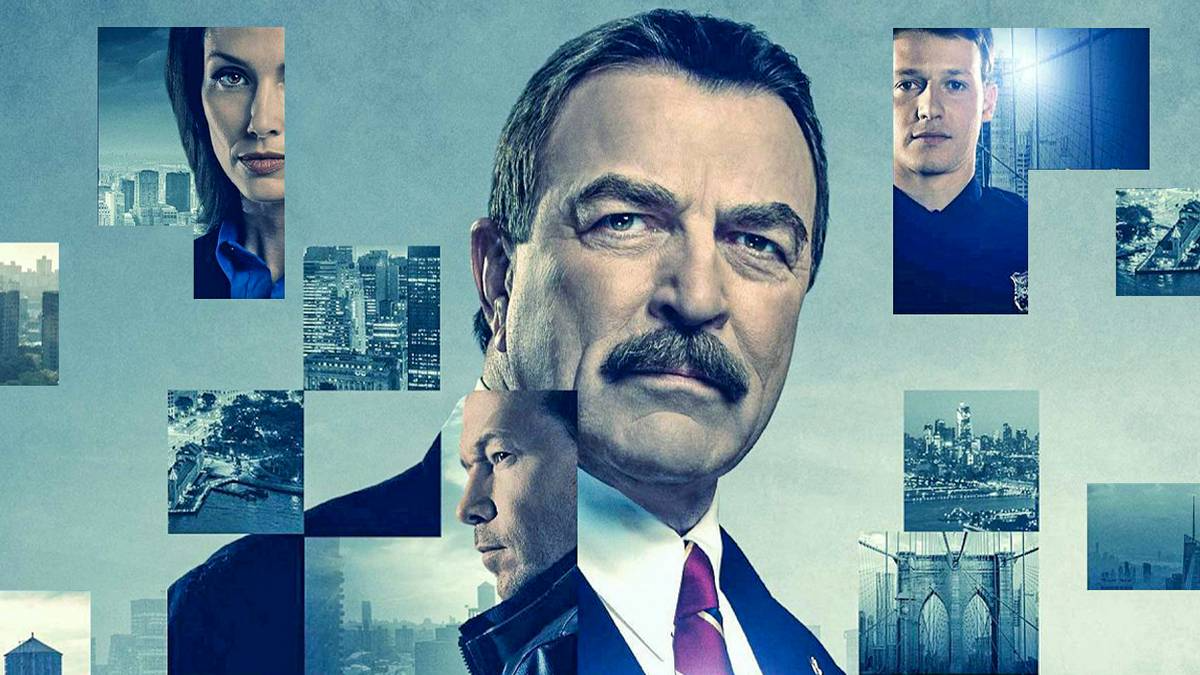 One of the defining strengths of Blue Bloods was its emphasis on family. Each episode frequently closed with the Reagan clan gathering around the dinner table, debating issues of justice, ethics, and duty. This structure created a sense of continuity and emotional weight that separated it from similar series. It wasn’t uncommon for the show to weave complex legal and ethical dilemmas into conversations that felt relatable and grounded, touching on issues that resonate with many viewers in real life.
Additionally, character development played a pivotal role in the show’s lasting appeal. Characters like Danny Reagan (Donnie Wahlberg), Erin Reagan (Bridget Moynahan), and Jamie Reagan (Will Estes) grew and evolved over the course of the series, grappling with personal tragedies, shifts in their careers, and changes in their worldview. Their journeys offered audiences a sense of investment far beyond the typical “case of the week” format, fostering deep emotional connections that spanned years rather than episodes.
Even as Blue Bloods celebrated its final season in 2024, conversations around its influence persisted. Critics and fans alike appreciated the show’s commitment to presenting a more nuanced portrayal of law enforcement – one that acknowledged the complexity and moral ambiguity often inherent in such roles. Whether viewers agreed or disagreed with the Reagan family’s perspectives, they were compelled to engage with the show’s layered storytelling and the balance it struck between justice and compassion.
As television continues to evolve, the legacy of Blue Bloods remains significant. Its blending of traditional procedural elements with heartfelt family narratives set a benchmark for future police dramas. With the ending of the original series, fans may have said goodbye to the Reagan family’s weekly dinner table debates, but the story is far from over — as evidenced by the emergence of a new chapter in its universe.