Bridgerton is no longer just a hit series—it has grown into a narrative empire. With Season 4 set for an early 2026 release and Seasons 5 and 6 already confirmed, the franchise’s long-term future looks brighter and more ambitious than ever. What began as a Regency-era romance has evolved into a large-scale storytelling universe with the potential to expand for years.
At the foundation of this expansion is the original book series, which consists of eight novels—each one centered on a different Bridgerton sibling. This built-in structure provides the show with a clear roadmap for multiple future seasons. The creative team has expressed enthusiasm for following the full arc of the novels, suggesting that the series could span all eight siblings and conclude with a sweeping, interconnected narrative.
Season 4, focusing on Benedict, marks a midpoint in this trajectory. While his story will command the spotlight, its success also sets the stage for future romantic leads. Eloise’s and Francesca’s stories, expected to unfold in Seasons 5 and 6, promise strikingly different emotional tones—from rebellious defiance to quiet, poignant introspection. These narratives will widen the show’s emotional range and introduce new characters to further enrich its tapestry.
Beyond the main series, the Bridgerton universe has already dipped into spin-off territory. The prequel series about Queen Charlotte—one of the ton’s most powerful figures—proved that audiences are eager to explore side characters’ backstories. Given this success, future spin-offs are increasingly likely. Potential subjects include the Featheringtons, the Mondrich family, or even stories exploring the childhoods and early romances of Bridgerton siblings before their featured seasons.
The franchise’s longevity also owes much to its modern sensibilities. Though set in the Regency era, Bridgerton embraces contemporary themes—identity, ambition, empowerment, and the power dynamics of love. These themes resonate deeply with global viewers and keep the series relevant in today’s evolving cultural landscape. This ability to blend the historical with the modern has positioned Bridgerton as a fresh reimagining of classic romance rather than a strict period drama.
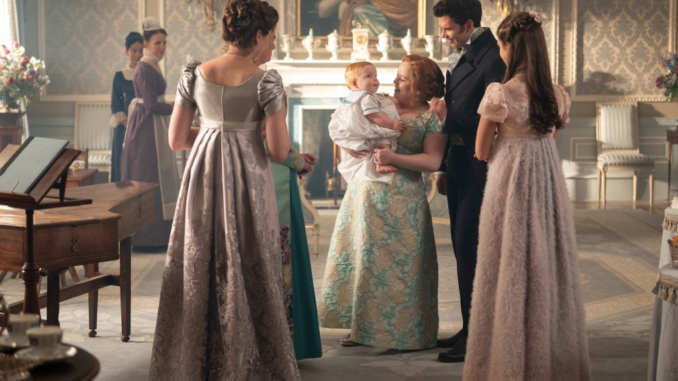
 Visually, the show’s aesthetic appeal is another pillar of its longevity. Its vibrant costumes, elaborate sets, and lush cinematography have become iconic. Beyond entertainment, Bridgerton has influenced fashion trends, inspired events, and shaped aesthetic discourse across social media. The visual identity of the show alone has enough cultural power to sustain interest between seasons.
Critically, the show’s expansion aligns with a broader trend in modern television: the rise of interconnected universes. Just as fantasy and comic-inspired franchises dominate with multi-series storytelling, Bridgerton proves that romance can also carve out space in this format. With its rich character roster and extensive narrative possibilities, the franchise has the potential to transform the romantic drama genre into something larger, more innovative, and more culturally impactful.
As we look ahead, the future of Bridgerton appears not only secure but expansive. With more seasons confirmed, potential spin-offs on the horizon, and a global fan base eager for deeper immersion, the franchise stands on the brink of becoming a long-lasting narrative empire. Whether through new romances, backstories, or side character explorations, Bridgerton is set to dominate the world of on-screen romance for years to come.