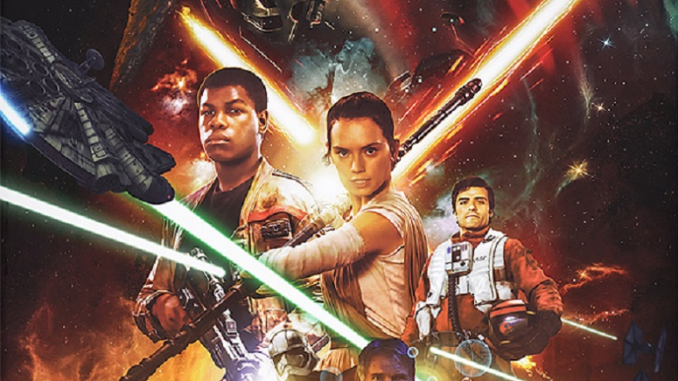
For nearly five decades, Star Wars has been more than a film franchise. It’s mythology. It’s generational memory. It’s a cultural heartbeat that refuses to slow down.
But now? The galaxy feels like it’s standing on the edge of another seismic shift.
Between bold new casting decisions, unexpected character returns, and a theatrical future that could redefine the saga’s direction, fans are once again divided, electrified, and endlessly debating what comes next.
Let’s break down the moment that’s sending hyperspace-level shockwaves through the fandom.
The Ryan Gosling Bombshell: A New Jedi Era?
When news broke that Ryan Gosling would headline an upcoming Star Wars film directed by Shawn Levy, the internet didn’t just react—it detonated.
Best known for emotionally layered performances and unexpected intensity, Gosling stepping into the galaxy far, far away signals something different. Not legacy casting. Not nostalgia bait. But reinvention.
What’s fueling the conversation?
-
The film is rumored to be largely standalone.
-
It may take place outside the core Skywalker timeline.
-
It suggests Lucasfilm is ready to build new mythologies instead of leaning solely on the past.
For some fans, this is exhilarating. For others, it feels like drifting further from the saga’s roots.
And that tension? It’s exactly what keeps Star Wars culturally alive.
Daisy Ridley’s Return: Redemption or Risk?
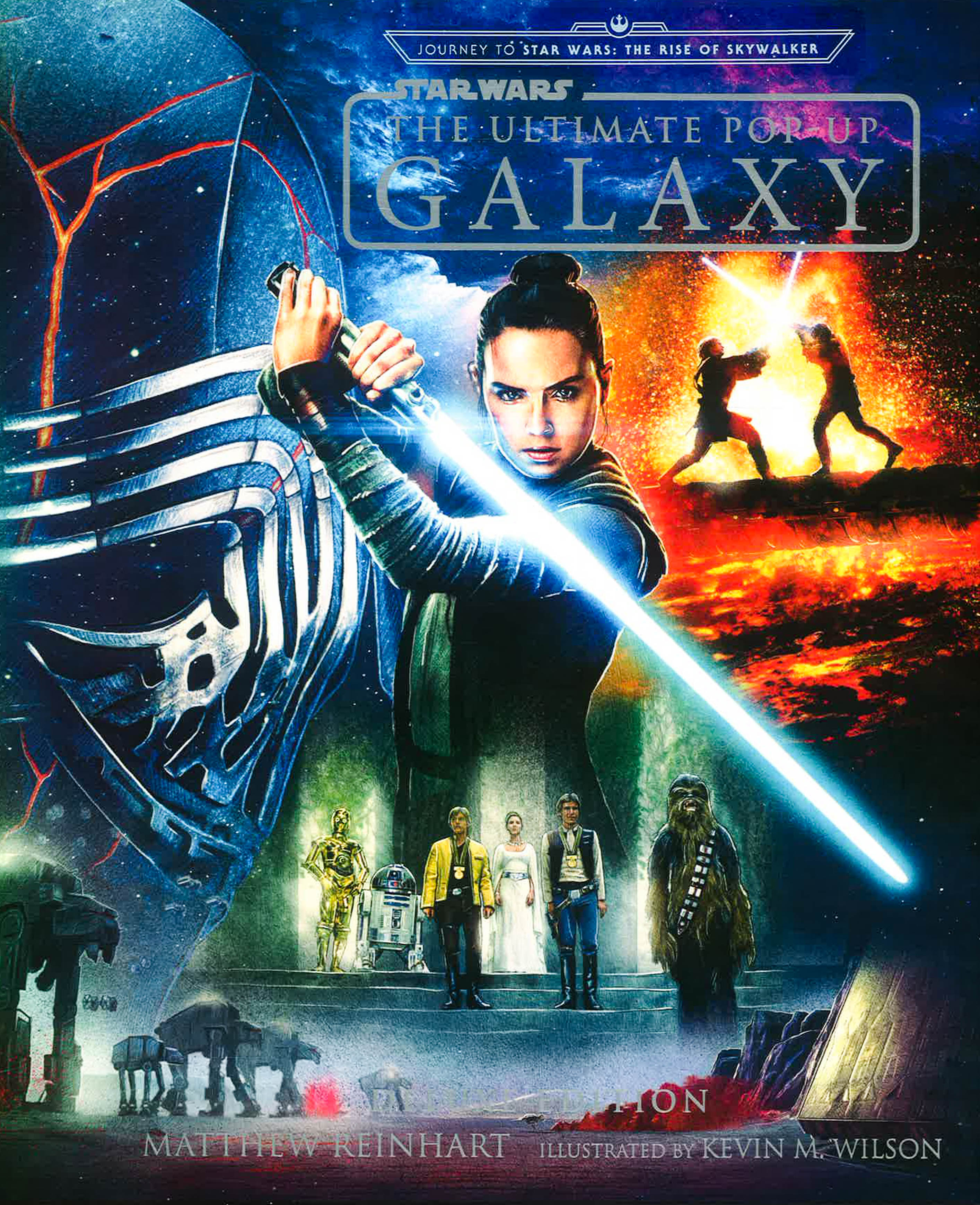
At the same time, Daisy Ridley is officially returning as Rey in a new film set after the events of Star Wars: The Rise of Skywalker.
This announcement instantly reignited one of the most passionate debates in modern franchise history.
Rey rebuilding the Jedi Order sounds epic on paper. It offers:
-
A clean narrative slate
-
A chance to redefine what the Jedi represent
-
An opportunity to address long-standing criticisms of the sequel trilogy
But here’s the complication: the sequel era remains one of the most polarizing chapters in Star Wars history.
Supporters argue Rey’s arc deserves deeper exploration. Critics worry about reopening divisive wounds.
Is this redemption? Or is Lucasfilm betting on unfinished business?
The Mandalorian & Grogu: From Streaming to Theaters
Meanwhile, The Mandalorian is making the jump to the big screen with a feature film continuation, bringing Din Djarin and Grogu into theatrical territory.
This move is more than a simple expansion.
It’s a strategic shift.
After redefining franchise storytelling on streaming platforms, Lucasfilm appears ready to test whether its Disney+ momentum can translate into box office dominance again.
Grogu remains one of the franchise’s most commercially powerful characters. But cinematic expectations are different. Bigger scale. Higher stakes. Less episodic comfort.
The question now:
Can a streaming phenomenon carry the weight of theatrical revival?
The “Heir to the Empire” Factor
Another highly anticipated project involves a crossover event inspired by elements of the Heir to the Empire storyline, featuring Grand Admiral Thrawn, portrayed by Lars Mikkelsen.
Thrawn’s live-action emergence has been widely praised as one of the most faithful and compelling villain adaptations in recent years.
Strategic. Cold. Brilliant.
Unlike Sith antagonists driven by rage, Thrawn represents calculated imperial intelligence. That alone sets him apart in a saga long defined by emotional conflict.
Fans of expanded universe lore see this as validation. A long-awaited acknowledgment of decades of storytelling beyond the films.
A Franchise at a Creative Crossroads
What makes this moment feel different isn’t just casting. It’s trajectory.
After the divisive reception of Star Wars: The Last Jedi and the box office underperformance of Solo: A Star Wars Story, Lucasfilm recalibrated heavily toward streaming.
Now, the pendulum appears to be swinging back toward theaters—with caution, but also ambition.
The strategy seems clear:
-
Balance legacy characters with new faces
-
Expand timelines beyond the Skywalker saga
-
Lean into prestige directors
-
Rebuild theatrical confidence
But strategy doesn’t erase emotional investment.
The Fandom Divide: Evolution vs. Preservation
Every major Star Wars announcement now sparks two simultaneous reactions:
-
“This is bold. This is necessary.”
-
“This isn’t the Star Wars I grew up with.”
The franchise has always evolved—from the operatic mysticism of the original trilogy to the political density of the prequels to the fractured legacy themes of the sequels.
The difference now? Social media amplifies every reaction in real time.
Speculation becomes narrative. Narrative becomes controversy. Controversy becomes momentum.
Why This Moment Feels Bigger Than Another Announcement
Because it isn’t just about one movie.
It’s about identity.
Is Star Wars primarily:
-
A legacy-driven saga?
-
A sandbox for new mythologies?
-
A streaming-first universe?
-
A prestige cinematic event brand?
Right now, it’s trying to be all of the above.
And that balancing act is what makes this era so unpredictable—and so fascinating.
The Risk and the Opportunity
Franchises rarely survive this long without reinvention. But reinvention always carries risk.
Bringing back Rey invites reevaluation of the sequel era.
Casting Ryan Gosling signals tonal experimentation.
Elevating Thrawn acknowledges expanded universe loyalty.
Moving The Mandalorian to theaters tests commercial resilience.
Each decision is strategic.
Each decision is controversial.
Each decision keeps the galaxy very much alive.
So… Is the Force Stronger Than Ever?
Here’s the truth: Star Wars has never been quiet. Debate is part of its DNA.
But this moment feels uniquely pivotal.
New Jedi stories. New theatrical ambitions. Familiar faces returning. Fresh stars entering hyperspace.
The franchise isn’t ending. It’s reshaping.
Whether this becomes a renaissance or another polarizing chapter depends on execution.
One thing is certain:
The galaxy isn’t standing still.
And neither are the fans.