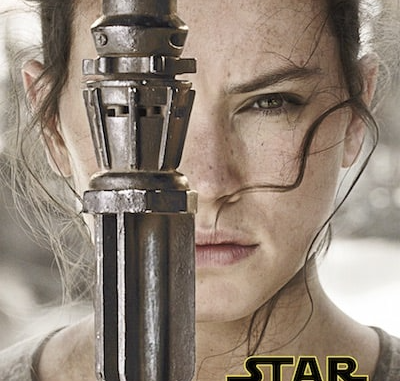
For years, the sequel trilogy divided the galaxy. Debates raged. Timelines splintered. And the fate of the Jedi Order hung in narrative limbo. Then, on Star Wars Day, one message reignited the hyperspace engines of speculation:
“Happy Star Wars Day from Daisy Ridley.”
Simple? On the surface, yes.
But in a fandom like this, nothing is ever just simple.
Because when Daisy Ridley speaks about Star Wars, fans listen—closely.
And this year, her greeting felt less like a holiday post… and more like a signal flare.
The Jedi Who Refused to Fade
Ridley’s journey as Rey Skywalker has been anything but quiet. Introduced in Star Wars: The Force Awakens, Rey was positioned as the future of the franchise. A scavenger turned Force prodigy. A nobody who became a symbol.
But after Star Wars: The Rise of Skywalker, her future felt uncertain.
The trilogy concluded. The Skywalker saga closed. And for a while, it seemed like Rey’s chapter might remain frozen in carbonite.
Until now.
Why This Star Wars Day Feels Different
The timing is what has fans spiraling.
With production momentum building around a new Rey-centered film reportedly in development under director Sharmeen Obaid-Chinoy, Ridley’s renewed public embrace of the role feels deliberate.
It’s no longer about nostalgia.
It’s about momentum.
Sources close to the franchise have emphasized that the upcoming project will explore Rey rebuilding the Jedi Order—years after the events of Episode IX. If that holds true, this isn’t a cameo. It’s a full-scale return.
And suddenly, a simple “Happy Star Wars Day” reads like:
The Jedi are not done.
The Fandom Reaction: Divided, Loud, and Intensely Invested
Within minutes of Ridley’s message circulating, timelines lit up.
Some fans celebrated her resilience. Others questioned whether revisiting the sequel era is the right move. A smaller but vocal corner reignited debates about the creative direction of the trilogy under J. J. Abrams and Rian Johnson.
But here’s the truth: love it or critique it, people are talking again.
And conversation is oxygen for a franchise.

The Rey Effect: From Controversy to Cultural Staying Power
When Star Wars: The Last Jedi premiered, Rey’s lineage twist sent shockwaves. When Episode IX reframed her identity, the discourse intensified.
Yet through it all, Ridley remained measured, thoughtful, and fiercely protective of the character.
In interviews over the past year, she has spoken about returning to the role with greater clarity—about wanting Rey’s evolution to feel earned, not reactive.
That shift in tone matters.
This isn’t 2015’s wide-eyed introduction.
It’s a veteran returning to a myth she helped shape.
A Franchise at a Crossroads
The larger Star Wars universe is expanding rapidly through streaming series and standalone stories. But theatrical momentum has been more cautious.
Re-centering the saga around Rey could be a strategic pivot—bridging legacy storytelling with a new era of Jedi philosophy.
Will the new film redefine what the Order stands for?
Will Rey succeed where Luke faltered?
Will this finally unify a fractured fandom?
Those questions hang in the air like a lightsaber hum before ignition.
Why Daisy Ridley’s Return Carries More Weight Now
When Ridley first stepped into the role, she was a newcomer.
Now, she returns with years of experience, perspective, and a deeper understanding of the cultural gravity surrounding Star Wars.
Her Star Wars Day message wasn’t just promotional. It felt personal. Confident. Grounded.
Almost like someone ready to reclaim unfinished business.
The Business Behind the Force
Let’s be honest: this isn’t just storytelling—it’s strategy.
The franchise remains one of the most powerful brands in entertainment. But the sequel trilogy left complex feelings behind.
Rey’s return is an opportunity.
An opportunity to refine legacy.
To course-correct where needed.
To expand rather than erase.
If executed carefully, this new chapter could transform debate into renewed devotion.
Reading Between the Lines
Public statements in major franchises are rarely accidental.
When a lead actress re-engages at precisely the moment development buzz intensifies, fans notice.
Ridley didn’t hint at plot details. She didn’t drop spoilers. She simply reminded the galaxy that she’s still here.
And sometimes, that’s more powerful than any teaser trailer.
The Emotional Stakes
For many viewers, Rey represents more than a character. She represents a generational shift—new heroes inheriting legendary legacies.
Bringing her back means revisiting unresolved emotions. Triumph. Disappointment. Hope.
It means confronting the past instead of abandoning it.
And that kind of narrative bravery could redefine the saga’s future.
So What Happens Next?
Official announcements are still measured. Production timelines remain fluid. And until cameras roll, uncertainty lingers.
But one thing is undeniable:
Daisy Ridley’s Star Wars Day message reignited a galaxy of speculation.
Is this the beginning of a bold new Jedi era?
A redemption arc for the sequel trilogy?
Or simply a reminder that the Force, like fandom, never truly disappears?
Whatever the answer, the hyperspace lanes are buzzing again.
And for a franchise built on destiny, legacy, and the eternal pull of light versus dark—
That feels like the start of something far bigger than a holiday greeting.