When Blue Bloods premiered in 2010, few predicted it would grow into one of the longest-running dramas in CBS history. Police procedurals had been a television staple for decades, but Blue Bloods quietly carved out its own unique identity—one rooted not in high-octane action or sensationalized storytelling, but in the steadfast traditions of a multigenerational family whose loyalty to each other was as central as their loyalty to public service.
Fourteen seasons later, the show remains a testament to the power of consistent, character-driven storytelling. While many long-running dramas experience creative fatigue or reinvent themselves dramatically to stay relevant, Blue Bloods stayed remarkably true to its original formula. That stability became its greatest strength.
A Procedural Built on Heart, Not Headlines
At its core, Blue Bloods was a procedural, but it never relied solely on case-of-the-week structures. Instead, the show invested deeply in the emotional lives of the Reagans: the principled Police Commissioner Frank Reagan, the hot-headed but dedicated detective Danny, the idealistic ADA Erin, and the thoughtful and duty-bound Jamie. Each member of the family brought a different perspective to the world of law enforcement—sometimes aligned, sometimes conflicting, always grounded in love.
While crime dramas often aim to shock, Blue Bloods focused on sincerity. Cases were important, but the moral questions they raised were more important. The show wasn’t trying to reinvent television; it aimed to reflect familiar themes—honor, ethics, sacrifice—and it did so with a quiet confidence that resonated with millions.
 The Power of Ritual: Why the Family Dinner Worked
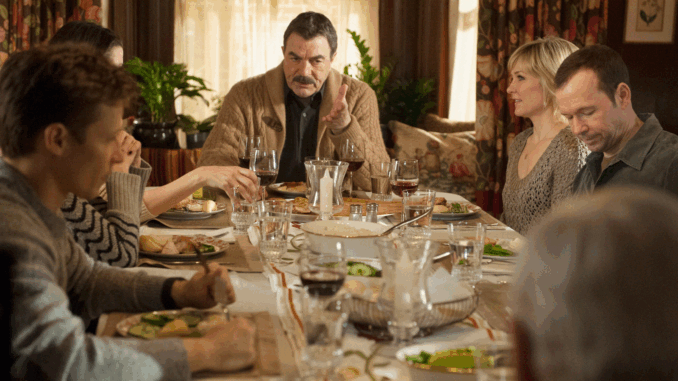
Perhaps no element of Blue Bloods is more iconic than the weekly Reagan family dinner scenes. These moments—simple, warm, sometimes tense, always meaningful—became symbolic anchors for the show. They were the emotional reset button that united episodes across seasons, bridging generational divides and giving audiences something to look forward to every week.
These dinners did more than showcase family unity; they revealed the complexity of loving people you don’t always agree with. The Reagans debated everything from policy to personal decisions, but they always returned to the table together. That ritual became a television comfort food—predictable, familiar, and profoundly human.
In an era where television families are often fractured or dysfunctional, the Reagans offered viewers a sense of stability and connection.
Why Blue Bloods Lasted So Long
Longevity in television rarely happens by accident. Several factors kept Blue Bloods thriving:
1. A Veteran Cast With Natural Chemistry
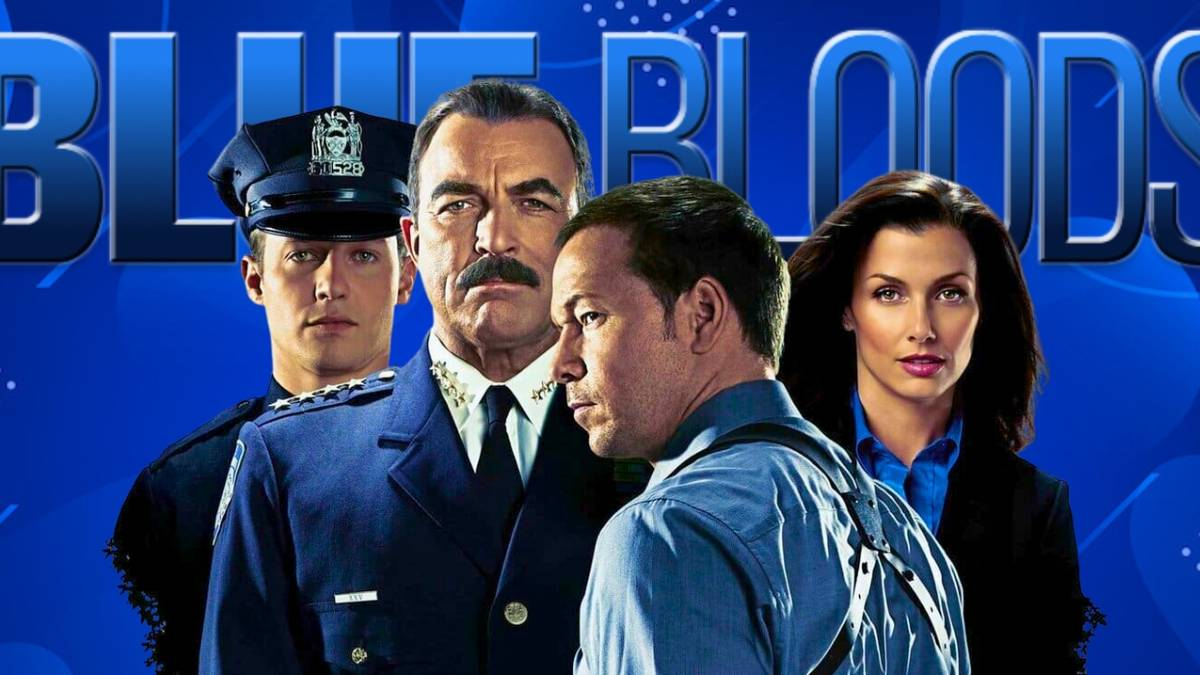
Tom Selleck, Donnie Wahlberg, Bridget Moynahan, and Will Estes anchored the show with a shared sense of purpose. Their chemistry felt lived-in, making the family dynamic believable even when storylines pushed characters into conflict.
2. A Sense of Tradition
Few shows commit so completely to their thematic foundations. Blue Bloods embraced ritual, routine, and heritage rather than chasing trends.
3. A Storytelling Style That Aged Gracefully
Instead of relying on shocking twists, the show embraced steady, thoughtful plots that remained accessible to viewers regardless of when they started watching.
4. Emotional Reliability
Audiences knew exactly what vibe they would get: heartfelt drama, moral debates, and a weekly reminder that family matters—even when life pulls people in different directions.
The Franchise Lives On Through Boston Blue
When Blue Bloods aired its series finale in 2024, fans mourned the end of an era—but CBS had already seen the strength of the universe it had built. Boston Blue, the spinoff premiering in 2025, represents not a replacement, but a continuation.
Though the new show adopts a different tone and focuses more on character evolution than family tradition, its roots are unmistakable. Danny Reagan’s move to Boston carries the emotional weight of a man reflecting on the life he built in New York while stepping into a future that looks nothing like the past. And the inclusion of Sean Reagan in a more prominent role reinforces the idea that the Reagan legacy is still being written.
The new series stands on its own, but it thrives because viewers already care deeply about the characters at its center—a testament to the emotional groundwork laid by Blue Bloods.
A Lasting Impact
In the end, Blue Bloods leaves behind a unique legacy. It didn’t rely on shock value or reinvention. It didn’t chase awards or cultural trends. It succeeded by understanding its identity and refusing to abandon the values that made it special.
For fourteen seasons, it provided a portrait of family—imperfect, argumentative, deeply loyal—set against the backdrop of public service. It wasn’t flashy, but it was honest. And in a constantly shifting television landscape, that authenticity made Blue Bloods not just durable, but unforgettable.
The Reagan family may no longer gather on Friday nights, but their story lives on—in Boston, in the fans who continue to rediscover the show, and in the lasting impression of a dinner table that, for fourteen seasons, felt like home.