
After 14 successful seasons, Blue Bloods officially concluded its run in December 2024. For many fans, the news marked the end of more than a decade of Friday-night ritual, extraordinary family dinners, moral dilemmas, police drama, and the unique interplay of family and duty that the show wove so carefully. The final season wrapped up major storylines — with some character arcs resolved, some tragic turns, and a sense of closure that both satisfied and saddened longtime viewers.
The end of Blue Bloods didn’t come because of a lack of love or fading popularity. On the contrary: the series left a legacy of respect, integrity, and lasting influence in the crime-drama genre. Many cast members and crew admitted publicly that wrapping production was emotionally difficult; for them, the story had become more than just a job. The production team said goodbye to what had for years been a second home, admitting that “we’ll never have those moments again in those places,” acknowledging both the weight of the legacy and the bittersweet reality of endings.
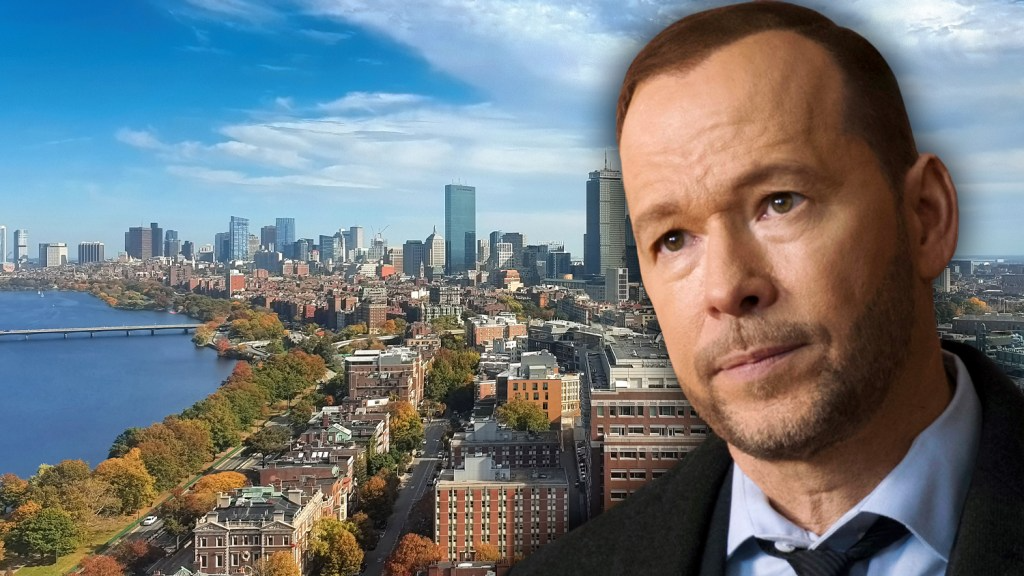 Yet the conclusion of the original story doesn’t mean the end of the world for its universe. While the show’s traditional format has ended, what lives on is the mythology of the Reagan family, the values it represented, and the hope that the themes which resonated with millions — family, justice, community — will continue in a new form. In an age where shows come and go, Blue Bloods stands out as a rare success story that lasted long enough to become more than a series — it became a cultural fixture. For many viewers, the final episode was not just an ending, but an invitation to remember what the show meant: more than drama, it was about family, ideals, and duty.