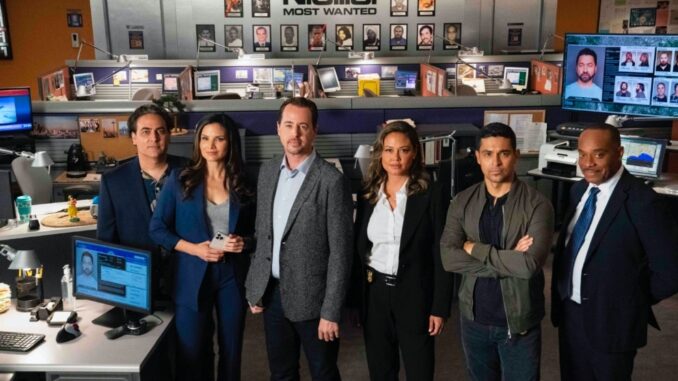
A Cancellation That Shocked Millions
When NCIS: Hawaii went off the air, fans didn’t just shrug and move on—they erupted. Social media lit up like a fireworks show. Petitions circulated. Hashtags trended. It wasn’t just another canceled show—it felt personal.
Why? Because NCIS: Hawaii wasn’t just a procedural drama. It was a fresh take on a beloved franchise, blending action, emotion, and cultural depth in a way that resonated deeply. And just when it hit its stride… it was gone.
But here’s the question everyone is asking: Was that really the end? Or just an intermission?
Why NCIS: Hawaii Meant So Much to Fans
A Groundbreaking Lead Character
At the heart of the show was Jane Tennant, a character who broke barriers and rewrote expectations. Strong, complex, and refreshingly human—she wasn’t just solving cases, she was redefining leadership on screen.
Fans connected with her not because she was perfect, but because she wasn’t. She juggled work, family, and emotional struggles—just like real people do.
A Unique Setting That Stood Out
Let’s be honest: Hawaii wasn’t just a backdrop—it was a character. The lush landscapes, the ocean views, the cultural richness—it all added a flavor no other NCIS show could replicate.
Watching it felt like escaping into a different world… with crime scenes.
The Real Reasons Behind the Cancellation
Budget Constraints and Production Costs
Filming in Hawaii isn’t cheap. Between logistics, travel, and location costs, the show carried a hefty price tag. Networks often have to make tough decisions—and sometimes, even successful shows aren’t immune.
Changing Network Strategies
Television is evolving fast. Networks are shifting focus toward streaming, shorter seasons, and different audience metrics. Unfortunately, that shift can leave long-running or mid-tier shows vulnerable.
Ratings vs. Engagement
Here’s the twist: while traditional ratings may have dipped slightly, fan engagement was still sky-high. In today’s digital world, that matters more than ever.
So why cancel a show that people clearly love?
The Power of Fan Campaigns
Social Media Movements Gaining Momentum
Fans didn’t sit quietly. They organized. Twitter (now X), TikTok, Instagram—you name it. Everywhere you looked, there were calls to bring the show back.
It’s not the first time fans have revived a show. Remember how other series came back from the brink? History tells us: it’s possible.
Petitions and Online Support
Online petitions gathered tens of thousands of signatures in no time. That kind of momentum sends a message—loud and clear.
Networks may ignore noise… but they rarely ignore numbers.
Could NCIS: Hawaii Return in 2026?
The Revival Trend in Television
We’re living in the age of reboots and revivals. Shows that once seemed dead are suddenly alive again—sometimes years later.
Why? Because nostalgia sells. And loyal fanbases are gold.
Streaming Platforms as Game-Changers
Streaming services are always hungry for proven content. A show like NCIS: Hawaii already has a built-in audience. That reduces risk—and increases appeal.
Imagine it returning with fewer episodes, tighter storytelling, and bigger budgets per episode. Sounds promising, right?
Cast Willingness and Availability
A revival only works if the cast is on board. Luckily, many of the show’s stars have expressed love for their roles and openness to returning.
That’s a huge green flag.
Clues That Hint at a Possible Comeback
Unfinished Storylines
Let’s not forget—NCIS: Hawaii didn’t wrap everything up neatly. There were threads left hanging, relationships evolving, and arcs just beginning.
That’s fertile ground for a comeback.
Continued Popularity on Streaming
Even after cancellation, the show continues to perform well on streaming platforms. That’s like a second life—and it often catches the attention of executives.
What a 2026 Revival Could Look Like
A Shorter, More Intense Season
Instead of the traditional long season, we might see a tighter 8–10 episode arc. Think less filler, more punch.
Deeper Character Development
With fewer episodes, writers can dive deeper into character arcs, making each moment count.
Bigger Stakes and Cinematic Quality
A revival could mean higher production values—more cinematic shots, bigger cases, and more emotional depth.
Challenges Standing in the Way
Financial Risks
Even with fan support, reviving a show isn’t cheap. Networks and platforms need to be convinced it’s worth the investment.
Scheduling Conflicts
Actors move on. Schedules fill up. Coordinating a return can be tricky.
Audience Expectations
Let’s be real—fans expect more from a comeback. If it doesn’t live up to the hype, it could backfire.
Why 2026 Is the Perfect Time
Enough Time for Demand to Build
A couple of years creates anticipation. It turns a canceled show into a cult favorite.
Nostalgia Peaks
There’s a sweet spot for revivals—and 2026 might be it.
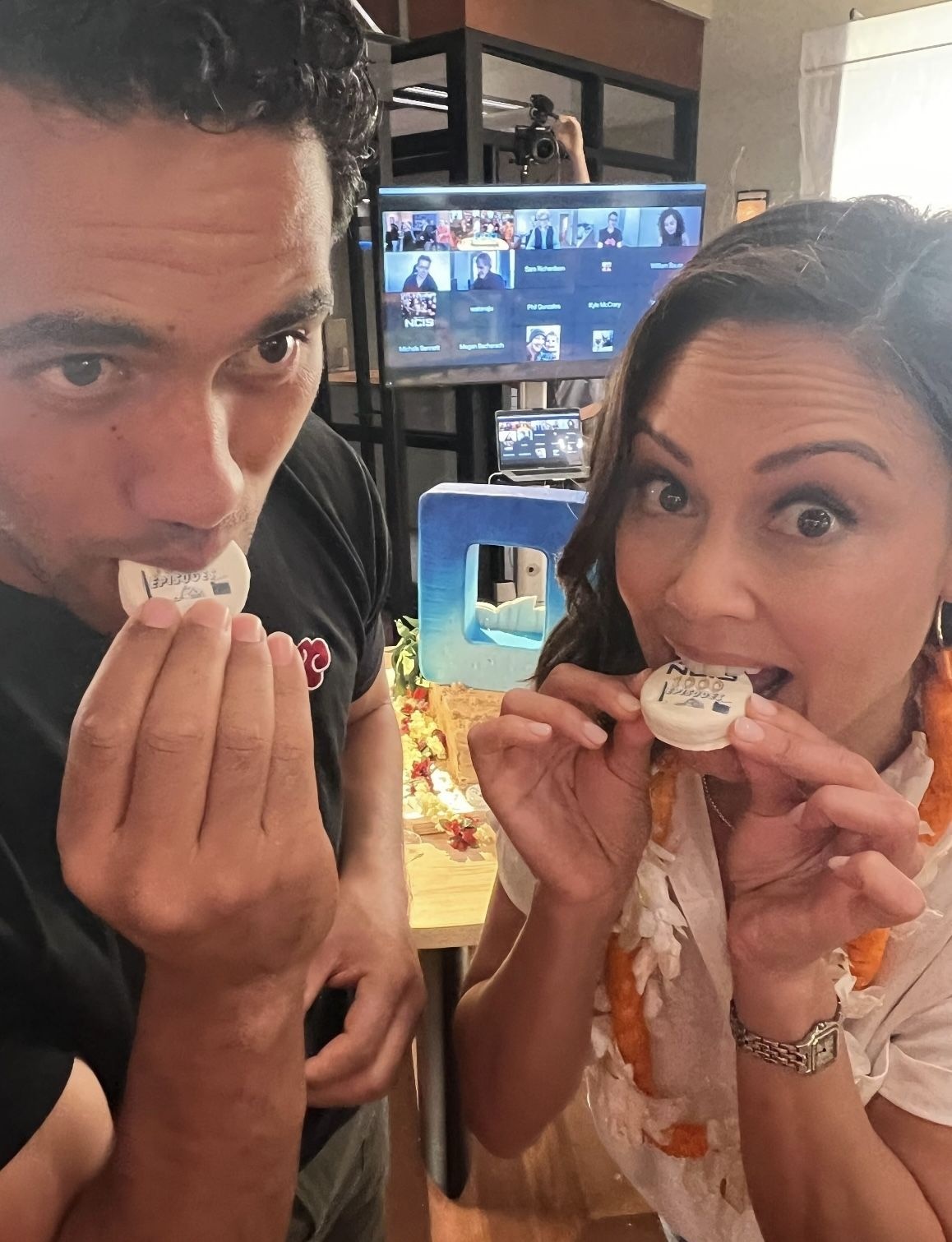
What Fans Can Do to Help
Keep the Conversation Alive
Talk about the show. Share clips. Post theories. Keep it trending.
Support It on Streaming Platforms
Views matter. The more people watch, the stronger the case for a return.
Final Thoughts – Is Hope Still Alive?
Here’s the truth: nothing is guaranteed. But if television history has taught us anything, it’s this—never say never.
NCIS: Hawaii has all the ingredients for a comeback: a loyal fanbase, strong characters, and unfinished stories. Add in the current revival trend, and suddenly, a 2026 return doesn’t sound so far-fetched.
So… will it happen?
Maybe not today. Maybe not tomorrow.
But one thing’s for sure: the demand is real. And sometimes, that’s all it takes.
Conclusion
The story of NCIS: Hawaii may not be over—it might just be waiting for the right moment to return. With growing fan support, evolving streaming strategies, and the undeniable appeal of a beloved franchise, a 2026 comeback feels more possible than ever. Until then, fans will keep hoping, watching, and pushing for the return they believe the show deserves.