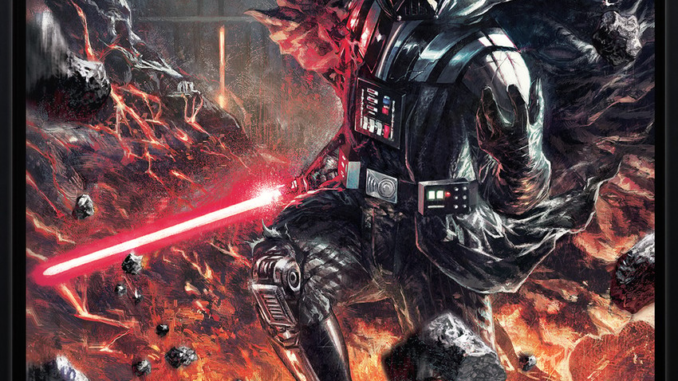
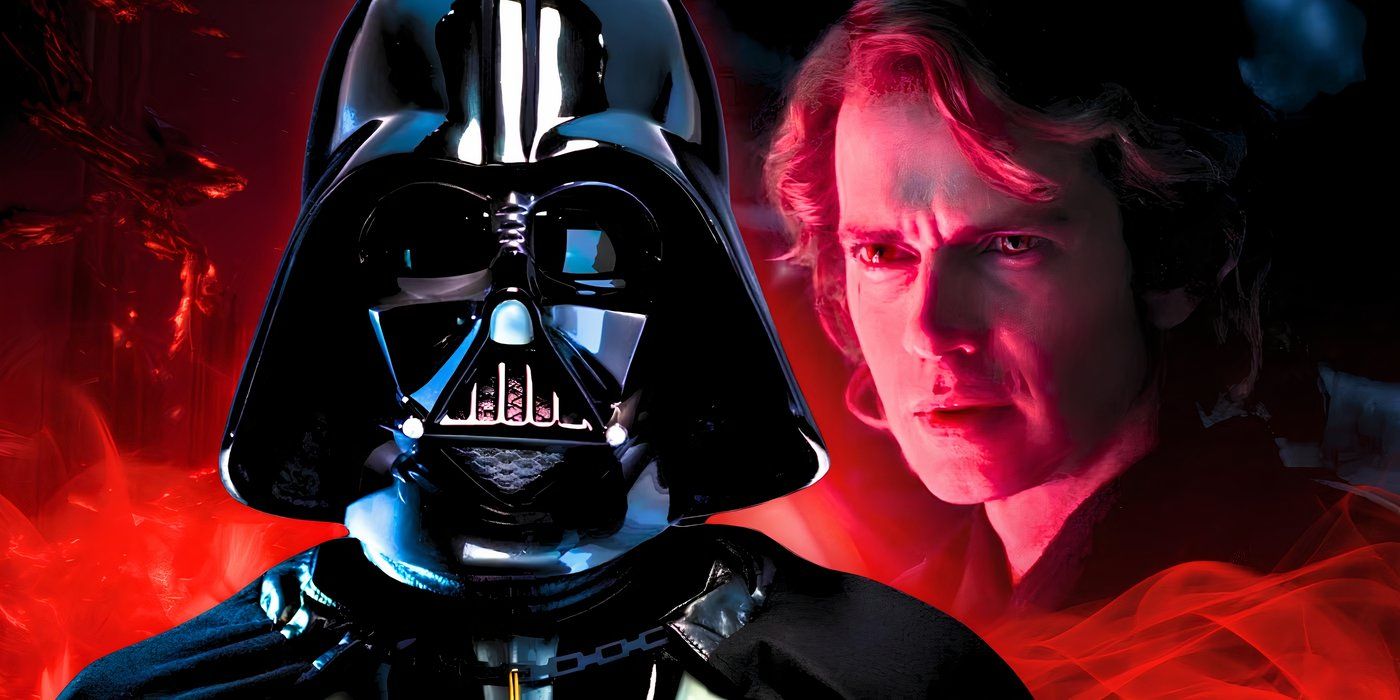
For decades, the galaxy’s most devastating transformation has never stopped haunting fans. One was hailed as the ultimate Jedi prodigy. The other became the embodiment of terror in black armor. And now, renewed debates across the fandom are placing the spotlight back where it all began: the tragic evolution of Anakin Skywalker into Darth Vader.
But this isn’t just nostalgia. It’s a full-scale reexamination of legacy, morality, and destiny in Star Wars.
The Jedi Icon. The Sith Legend.
Anakin Skywalker was introduced as prophecy made flesh—the Chosen One destined to bring balance to the Force. Discovered by Qui-Gon Jinn and mentored by Obi-Wan Kenobi, his power was unmatched. His potential, limitless.
Yet from that brilliance emerged Darth Vader, the Sith enforcer whose shadow stretched across the galaxy. The fall was not sudden. It was layered with fear, attachment, manipulation, and impossible expectations.
And that complexity is exactly why the conversation feels more intense now than ever.
Hayden Christensen’s Resurgence Sparks a New Wave of Debate
Much of the renewed attention stems from the return of Hayden Christensen in the Disney+ era of Star Wars storytelling. His appearances in Obi-Wan Kenobi and Ahsoka reignited emotional investment in Anakin’s internal conflict.
Fans who once criticized the prequel portrayal are now reassessing it through a different lens. With expanded character depth and more nuanced writing, Anakin’s pain feels rawer. His choices feel tragically human rather than impulsively villainous.
Was he doomed from the start? Or did the Jedi Order help create the very monster they feared?
The Prequels Reclaimed
When Star Wars: Episode III – Revenge of the Sith was first released, audiences were divided. Some saw melodrama. Others saw mythic tragedy.
Now, years later, the film is widely regarded as one of the franchise’s most emotionally devastating chapters. Anakin’s turn is no longer viewed as abrupt but as the culmination of years of manipulation by Emperor Palpatine and emotional isolation within the Jedi Council.
The opera house scene. The confrontation in the Jedi Temple. The duel on Mustafar.
These aren’t just action set pieces anymore. They’re Shakespearean collapse.
Destiny vs. Choice: The Core of the Argument
At the heart of the renewed discourse lies a fundamental question:
Did Anakin fall because of fate—or because of choice?
The prophecy of the Chosen One looms over everything. If he was meant to bring balance, then Darth Vader was part of that equation. His destruction of the Jedi Order and eventual redemption through saving Luke Skywalker suggests that balance required both annihilation and sacrifice.
But others argue that this interpretation absolves him too easily. Younglings were slaughtered. Entire systems were oppressed. Can destiny justify devastation?
The moral gray area is what keeps the discussion alive.
The Redemption That Still Divides Fans
Anakin’s final act in Star Wars: Episode VI – Return of the Jedi remains one of cinema’s most iconic redemptions. Saving Luke and destroying the Emperor fulfilled the prophecy.
Yet debate persists.
Was one act of love enough to erase decades of tyranny?
Some fans see it as proof that no one is beyond saving. Others see it as a powerful, but insufficient, atonement.
This tension between forgiveness and accountability is precisely why Anakin/Vader endures as Star Wars’ most layered character.
A Character Bigger Than the Franchise
Few fictional transformations rival this one. From enslaved child on Tatooine to feared Sith Lord, Anakin’s arc spans generations of storytelling.
Merchandise, novels, animated series, and live-action expansions continue to reinterpret him. Even younger audiences discovering The Clone Wars era are engaging with a version of Anakin that is heroic, compassionate, and charismatic—making his fall even more painful.
He isn’t just a villain. He isn’t just a hero.
He is the fracture line between them.
Why This Story Feels So Relevant Now
Modern audiences are increasingly drawn to morally complex protagonists. The era of purely good versus purely evil storytelling has evolved.
Anakin embodies that shift long before it became mainstream. He represents:
-
The danger of unchecked fear
-
The consequences of institutional rigidity
-
The seduction of power disguised as protection
-
The fragile line between love and possession
In a cultural moment obsessed with anti-heroes, Darth Vader feels less like a relic of the past and more like a blueprint.
The Emotional Core That Won’t Fade
Beyond spectacle and lightsabers, this is a story about a man who wanted to save the people he loved—and destroyed everything in the process.
His tragedy reshaped the galaxy.
His redemption reshaped the saga.
And every new appearance, every anniversary celebration, every behind-the-scenes revelation pulls fans back into the same haunting realization:
The line between hero and villain was never as far apart as it seemed.
So Why Is Everyone Talking About Him Again?
Because the Anakin–Vader transformation isn’t just backstory. It’s the spine of Star Wars itself.
With actors revisiting roles, expanded canon deepening motivations, and fans reassessing the prequels through a more mature lens, the conversation has shifted from criticism to contemplation.
The Chosen One was never just about power.
He was about potential—wasted, reclaimed, and ultimately fulfilled at a devastating cost.
And that’s why, decades later, the debate refuses to die.
Not because we don’t know what happened.
But because we’re still trying to decide what it truly meant.