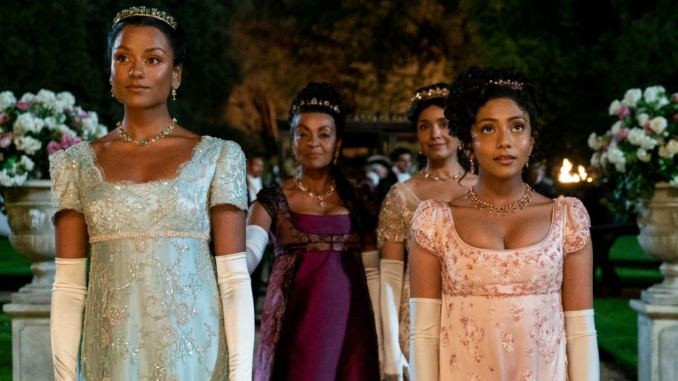
Since its premiere, Bridgerton has become synonymous with daring casting choices, boundary-pushing representation, and a willingness to reimagine historical drama through a modern lens. Yet with each new season, discussions around casting only intensify — and Season 4 is shaping up to be the most scrutinized yet.
The core controversy stems from the show’s unpredictability. While the Bridgerton siblings anchor the narrative, supporting characters often shift dramatically between seasons, creating ripple effects that fans feel acutely. Each time a new face enters the Ton, or a familiar one quietly steps away, online communities ignite with theories about what these changes mean for the franchise.
The most notable example remains the departure of Regé-Jean Page after Season 1. His exit serves as a permanent reminder that even beloved characters may not remain in the universe long-term. With that precedent set, fans now examine every cast member’s interview or social media activity, searching for clues about potential exits.
This heightened awareness has made audiences extremely sensitive to even minor casting changes. Whenever a new actor is added — whether as a suitor, rival, or mysterious newcomer — fans dissect the implications for the Bridgerton siblings’ romantic futures. The casting process becomes an event unto itself, with speculation sometimes overshadowing confirmed announcements.
Another dimension fueling debate is representation. Many viewers praise Bridgerton for its progressive approach, celebrating the diversity woven naturally into the show’s fabric. Others, however, want to see the series push even further. Some argue that LGBTQ+ storylines deserve larger focus; others hope future seasons will deepen the cultural backgrounds introduced with characters like the Sharmas.
The challenge for the creators is balancing creative vision with fan expectations. Every casting decision carries enormous weight: a new love interest could become a breakout star, a minor character could become a fan favorite, and a recast — although rare — could spark intense emotional response. The emotional investment fans have developed in this world means that casting is no longer just a production decision; it is a matter of public interest.
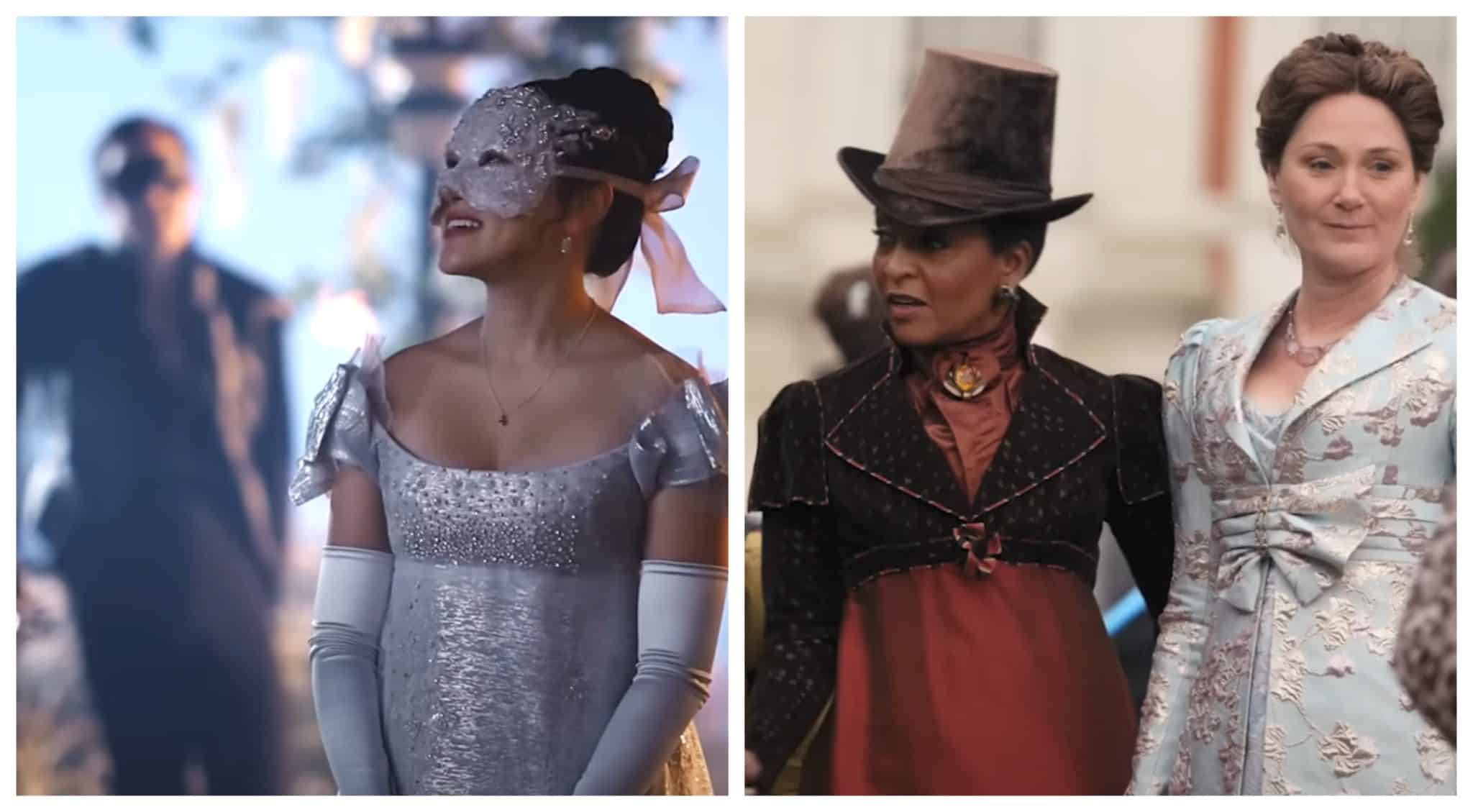 Season 4, in particular, has raised questions surrounding which sibling’s love story will be adapted next. Depending on the literary direction the show takes, casting could significantly alter audience perception. Benedict’s story would require an inventive, free-spirited romantic partner. Eloise’s arc might introduce a figure capable of challenging her sharp intellect and defying societal convention. Francesca’s narrative, already filled with emotional complexity, would require exceptional nuance.
Casting in Bridgerton is not merely the selection of actors — it is world-building in its most delicate form. The stakes are high because the show’s appeal depends so heavily on chemistry: between lovers, between siblings, and within the ensemble at large. A single miscast role could shift the tone of an entire season.
At the heart of the ongoing debate is the franchise’s evolving identity. Bridgerton is both a romance series and a cultural phenomenon. It honors tradition while challenging it. And this duality makes casting decisions uniquely consequential.
In many ways, the heated conversations underscore the show’s success. Fans care deeply — so deeply that every casting announcement becomes a global topic. And as the world waits for Season 4 updates, one thing is clear: the casting of Bridgerton has become as captivating as the love stories it tells.