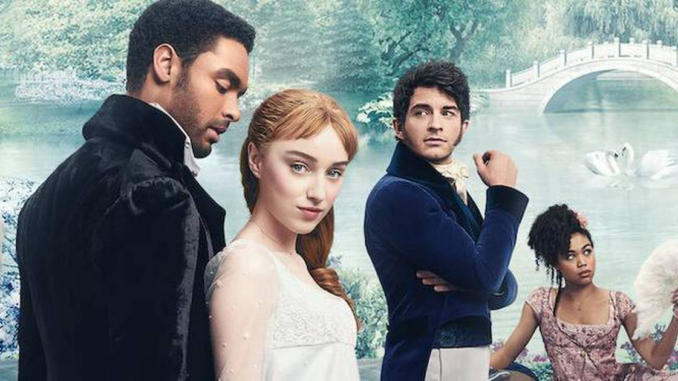
When Bridgerton premiered on Netflix in 2020, few could have predicted how profoundly it would reshape the period drama genre. Created by Chris Van Dusen and produced by Shonda Rhimes, the series blended Regency-era aesthetics with modern sensibilities, transforming what was once considered a niche genre into a global pop culture phenomenon.
At first glance, Bridgerton appeared to follow familiar conventions: aristocratic families, lavish balls, strict social codes, and romantic intrigue. However, beneath its corsets and chandeliers lay a radical reinvention. The show rejected historical rigidity in favor of inclusivity, color-conscious casting, and a contemporary emotional lens. This creative choice allowed audiences from diverse backgrounds to see themselves reflected in a genre that had long excluded them.
One of the most distinctive elements of Bridgerton is its tone. While many period dramas emphasize restraint and formality, Bridgerton embraces excess. Its vibrant costumes, orchestral pop covers, and heightened romantic stakes create a viewing experience that feels both nostalgic and refreshingly modern. The series does not merely depict the past; it reimagines it through a present-day perspective.
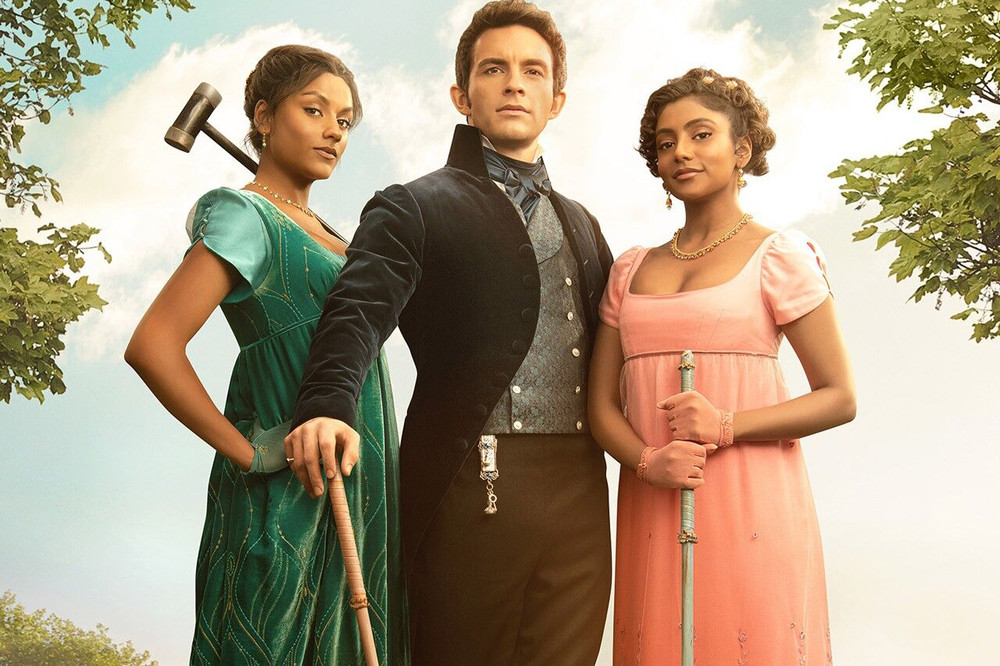 Central to the show’s success is its narrative structure. Rather than following a single protagonist across multiple seasons, Bridgerton adopts an anthology-style approach. Each season focuses on a different Bridgerton sibling’s love story, allowing the series to continually refresh its emotional core while maintaining a consistent world. This format keeps the show dynamic and prevents narrative stagnation.
Equally important is the presence of Lady Whistledown, the anonymous gossip columnist whose voiceovers frame the series. Her commentary serves as both a narrative device and a thematic lens, exposing the contradictions of high society. Through Whistledown, the show critiques the very systems it portrays, highlighting the hypocrisy and performative morality of the ton.
By the time Bridgerton reached its third season, its cultural impact was undeniable. Fashion trends, social media discourse, and even wedding aesthetics reflected the show’s influence. More importantly, Bridgerton proved that period dramas could be bold, inclusive, and commercially successful without sacrificing emotional depth.