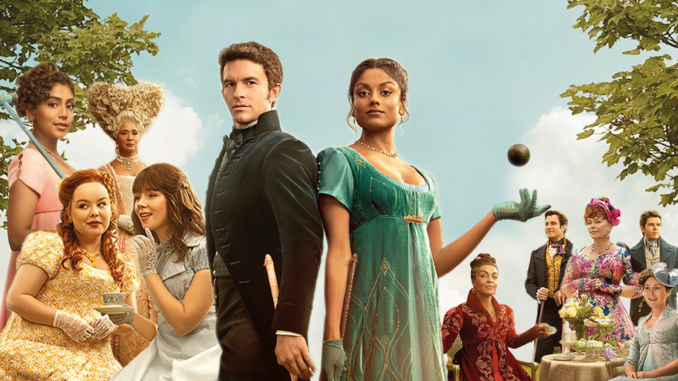
Few shows in streaming history have experienced the meteoric rise that Bridgerton has achieved. Since its debut, the series has dominated global charts, inspired fashion trends, driven tourism, boosted book sales, and sparked worldwide discussions about diversity in period dramas. Today, Bridgerton stands not only as a hit series but as Netflix’s most influential cultural export — a franchise with unprecedented reach.
What makes Bridgerton so uniquely powerful is its ability to blend genres with seamless ease. It is part romance, part political drama, part satire, and part modern reinterpretation of history. The show’s aesthetic — lush costumes, opulent sets, orchestral pop covers — creates an immersive world that feels familiar yet enchantingly out of time. Its emotional arcs deliver heart-racing romantic tension while simultaneously exploring themes of identity, privilege, gender roles, and societal pressure.
Season 3 demonstrated just how deeply the franchise has embedded itself into global culture. The Polin romance, for example, dominated online discourse for months. Entire communities emerged around analyzing Penelope Featherington’s transformation, Colin’s emotional journey, and the evolution of their decades-long friendship. The pairing resonated with audiences craving deeper character development and more grounded emotional stakes after earlier seasons’ glamorous whirlwind romances.
But beyond its onscreen stories, Bridgerton has transformed into a social ecosystem of its own. Trends inspired by the series appear across TikTok, Instagram, and fashion runways. Designers reference “Regencycore” aesthetics, while influencers recreate ballroom looks and tea-party elegance. Even hospitality industries have embraced the craze — hotels offer “Bridgerton-themed” stays, and museums curate Regency-inspired exhibits.
Book sales for Julia Quinn’s original series skyrocketed worldwide after each season’s release. New readers joined longtime fans in dissecting differences between the novels and the show, creating a vibrant literary-discussion culture rarely seen in adaptations.
What makes this empire even more impressive is its longevity. Unlike many streaming shows that peak early and fade, Bridgerton strengthens with each new installment. The anthology-style focus — with each season spotlighting a different sibling — keeps the narrative fresh, while the ensemble structure ensures viewers remain invested regardless of who is in the spotlight.
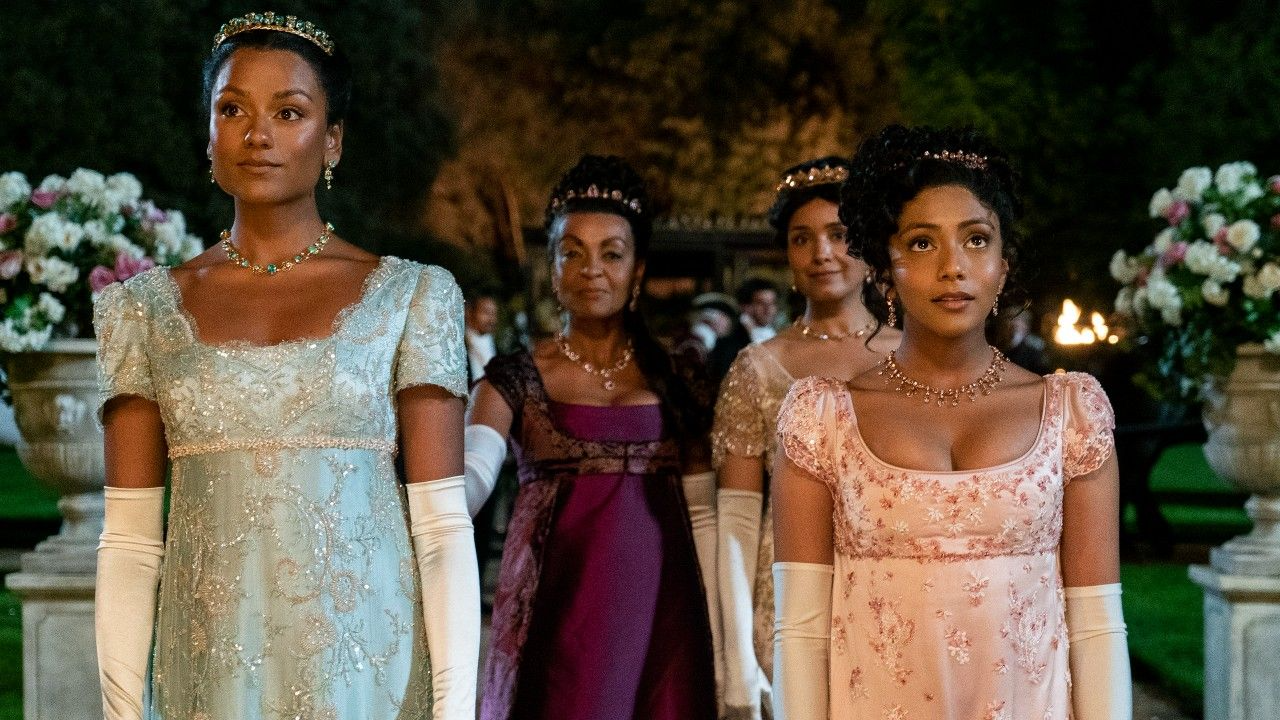 Season 4 is poised to extend this success further. As fans await news of the next romantic leads, the online frenzy already mirrors the anticipation for Season 3. Discussions about character arcs, potential spinoffs, and novel-to-screen shifts keep the franchise in constant conversation.
Indeed, universe expansion is a crucial element of its power. The prequel Queen Charlotte proved that Shondaland could build compelling stories outside the Bridgerton siblings themselves. Viewers now openly speculate about potential future expansions — whether it be a Sharma family series, a story of Lady Danbury’s rise, or even an anthology exploring couples barely touched in the main show.
Yet behind all the glamour lies a profound impact: Bridgerton has changed expectations for what period drama can be. It challenges the constraints of historical accuracy in favor of emotional truth, representation, and imaginative re-envisioning. It embraces diversity not as a gimmick, but as a foundational principle.
As Netflix seeks long-term, franchise-level success in an ever-competitive streaming landscape, Bridgerton has become a golden standard. It is more than a series — it’s a world, a movement, and a cultural touchstone. And Season 4, with all its mounting anticipation, may solidify its status as the definitive romantic drama of the decade.