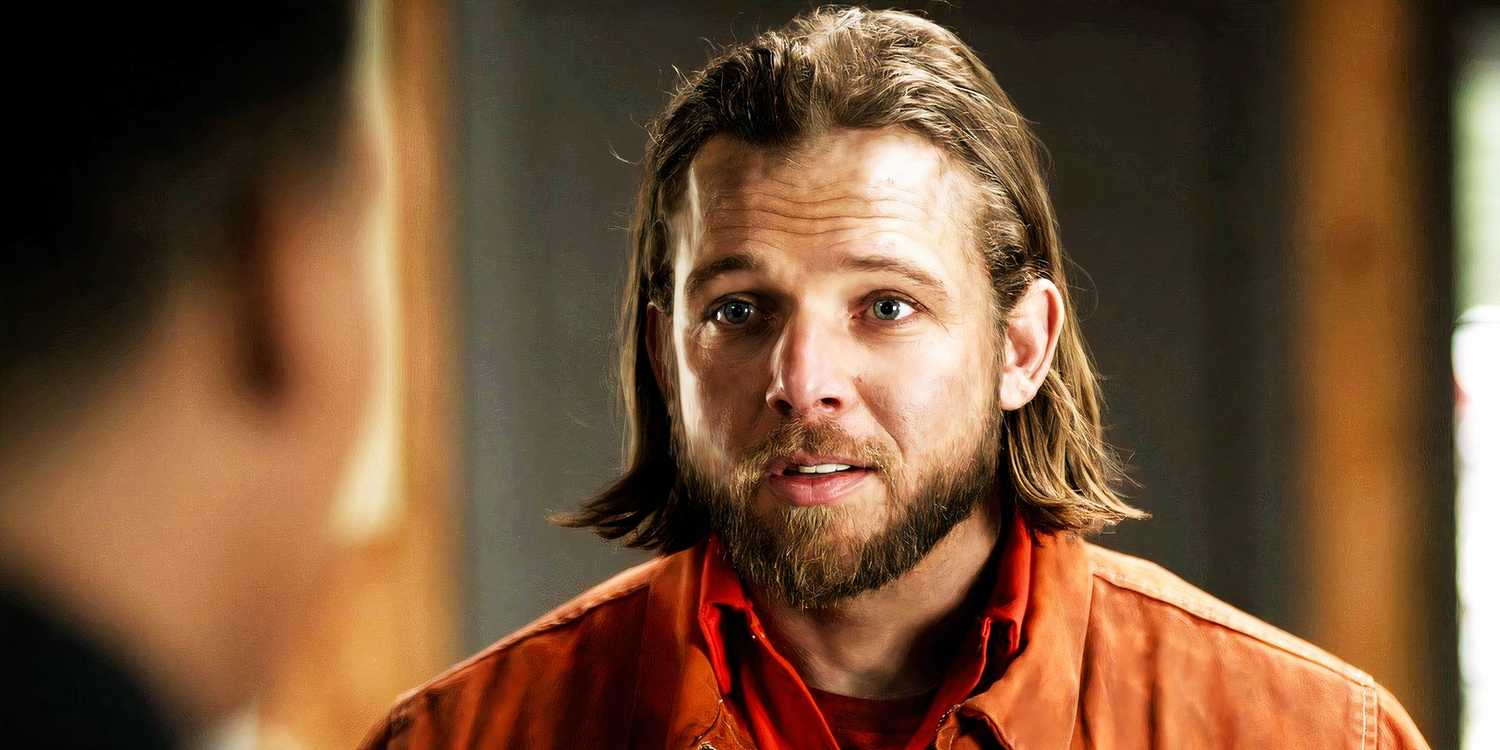
While the roaring wildfires and the adrenaline-fueled rescues of Northern California provide the spectacle for Fire Country, the true heart of the series lies far deeper than the next blaze. For many viewers, Bode Leone’s quest for redemption is the primary lens through which they view the show. However, as we dive into the 2026 season, it is becoming increasingly clear that Bode’s personal struggles might be a calculated distraction. The real conflict isn’t just about one man’s freedom; it is a complex collision between rigid systems, generational trauma, and the impossible choices forced upon those living on the edge.
The systemic tension: Redemption vs. Bureaucracy
The most profound conflict in Fire Country isn’t Bode versus the flames—it’s the individual versus the institution. The Three Rock Convicton Camp serves as a microcosm for a larger, cold-blooded systemic struggle. On one side, you have the human desire for a second chance; on the other, you have a rigid legal and fire-management system that views these men primarily as a resource.
The tension arises when the “system” (the California Department of Corrections and Cal Fire) clashes with the “humanity” of the inmates. This creates a volatile environment where one bureaucratic mistake can undo years of personal growth. Bode is often the face of this, but the conflict belongs to the program itself. The show asks a haunting question: Can a system built on punishment truly facilitate healing, or is it merely using the broken to fix the broken?
The weight of the Leone Legacy
Another “real” conflict driving the show is the crushing weight of legacy and the unresolved dynamics of the Leone family. The death of Riley Leone years ago was the catalyst for everything, but the fallout continues to poison the present. Vince and Sharon’s marriage, their leadership styles, and their relationship with the town of Edgewater are all filtered through the lens of a family that is grieving in public.
This creates a “ghost conflict.” Even when Bode isn’t on screen, the characters are fighting against the versions of themselves that existed before the tragedy. The tension in the fire station isn’t always about the fire at hand; it’s often about the decades of unspoken expectations, disappointment, and the desperate need to “fix” a family that might be beyond repair.
Edgewater: A town under siege
Beyond the families and the fire crews, there is the conflict of the town itself. Edgewater represents a disappearing way of life. The true tension often stems from the town’s resentment toward the inmate program—a “Not In My Backyard” (NIMBY) sentiment that reflects real-world social divisions.
The citizens of Edgewater are caught between needing the inmates to protect their homes and fearing the very people who are saving them. This creates a social friction that influences every rescue mission. When the town looks at Three Rock, they see a threat; when they look at the fire, they see an end. Navigating that thin line of public trust is a far more consistent and dangerous conflict than any single wildfire Bode has ever faced.
The “Bode Distraction”
By focusing so heavily on Bode’s “Will he or won’t he get out?” arc, the show cleverly disguises these larger themes. Bode is the spark, but the forest—the community, the family, and the system—is the fuel. The true conflict is the friction of coexistence:
-
Can a convict coexist with a hero?
-
Can a grieving father coexist with a demanding chief?
-
Can a small town coexist with a prison camp?
As we move forward in the 2026 broadcast cycle, pay attention to the moments where Bode is absent. You’ll find that the tension doesn’t disappear; it simply shifts into its truest form—the struggle of a community trying to survive its own history while the world around them literally burns.