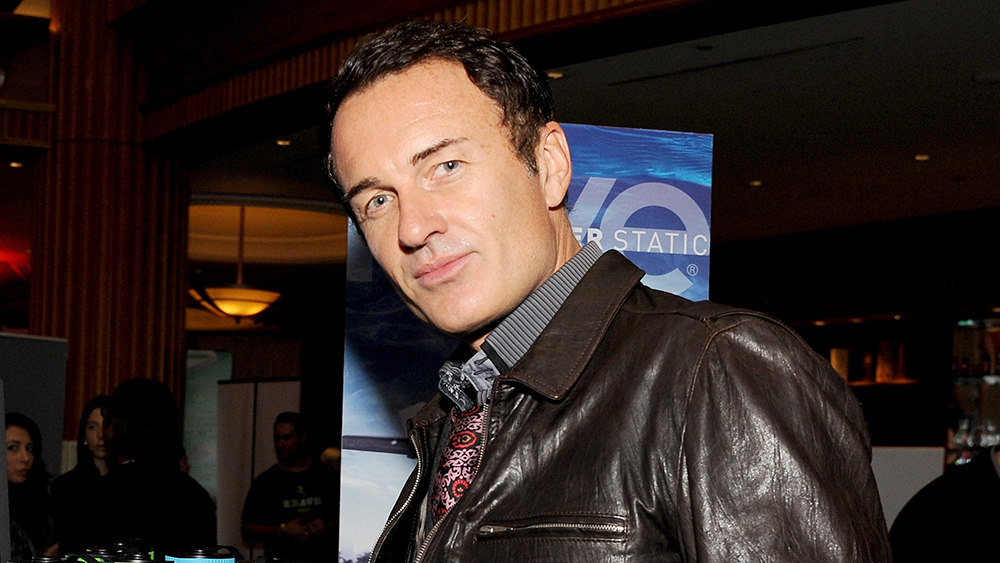
Julian McMahon has long been one of television’s most commanding and unforgettable presences, and his impact continues to resonate deeply with audiences and creators alike. Recently, the FBI universe paused to honor the legacy of the actor whose work has helped shape modern television drama, prompting an outpouring of reflection, gratitude, and admiration from fans across generations.
Known for his intense screen presence and emotional complexity, McMahon brought a rare gravitas to every role he portrayed. From his early breakthrough performances to his later work in crime and procedural dramas, he consistently elevated the material, transforming strong writing into unforgettable television moments. His portrayal of complex authority figures, men haunted by responsibility and moral ambiguity, became a defining element of his career.
Within the FBI franchise, Julian McMahon’s contributions were especially impactful. His character embodied experience, leadership, and inner conflict—qualities that grounded the series and gave emotional weight to its high-stakes storytelling. Even in scenes driven by action and urgency, McMahon’s performance reminded viewers that the cost of justice is often deeply personal. It’s this emotional authenticity that made his presence resonate far beyond the screen.
The tribute from FBI is less about a single moment and more about recognition of lasting influence. Cast members, creatives, and fans alike have reflected on how McMahon’s work helped define an era of television that valued depth as much as spectacle. His characters were never simple heroes or villains—they were layered, flawed, and human, mirroring the complexities of real life.
Across his broader career, McMahon became synonymous with prestige television. From Charmed to Nip/Tuck and beyond, he demonstrated a fearless willingness to take on challenging roles that pushed boundaries and expectations. He brought intelligence and intensity to every project, earning both critical acclaim and a devoted fanbase that followed him from genre to genre.
What makes this moment especially meaningful is how strongly audiences continue to connect with his work. Social media reactions, retrospectives, and fan tributes highlight just how enduring his performances remain. Viewers aren’t simply remembering characters—they’re revisiting stories that shaped their relationship with television itself.
In honoring Julian McMahon, FBI and the television community are acknowledging more than a career—they are recognizing a legacy built on excellence, emotional truth, and fearless storytelling. His influence lives on in the shows he helped define, the characters he brought to life, and the viewers who continue to be moved by his work.
Television may evolve, formats may change, but performances like Julian McMahon’s endure. His impact remains woven into the fabric of modern TV drama—a testament to the power of storytelling done with depth, conviction, and heart.