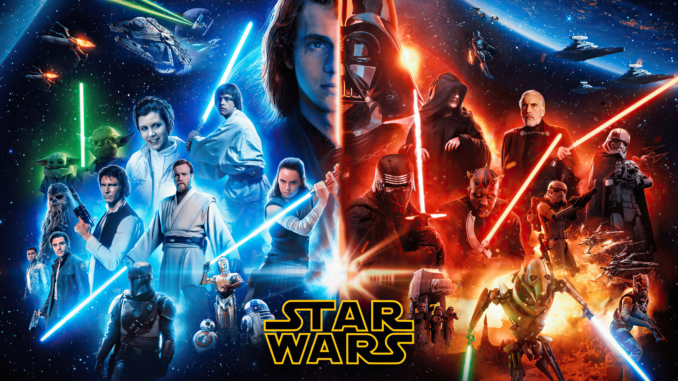
The fall of the Galactic Empire should have been the end of the story. The Death Star was destroyed, the Emperor defeated, and the Rebel Alliance emerged as the galaxy’s great hope. Fireworks, celebrations, and a promise of lasting peace followed. Yet decades later, the galaxy once again found itself under the shadow of tyranny. The question Star Wars dares to ask—quietly but powerfully—is this: did winning the war actually doom the future?
Revolution Creates Heroes, Not Stability
The Rebel Alliance was never designed to govern. It was a coalition of fighters united by a single purpose: overthrow the Empire. Once that goal was achieved, unity began to fracture. Different systems wanted different futures, and the New Republic struggled to transform wartime solidarity into long-term governance.
The films imply that the New Republic inherited a galaxy exhausted by control but unprepared for freedom. Removing the Empire was easy compared to rebuilding trust across thousands of systems that had known only fear or obedience.
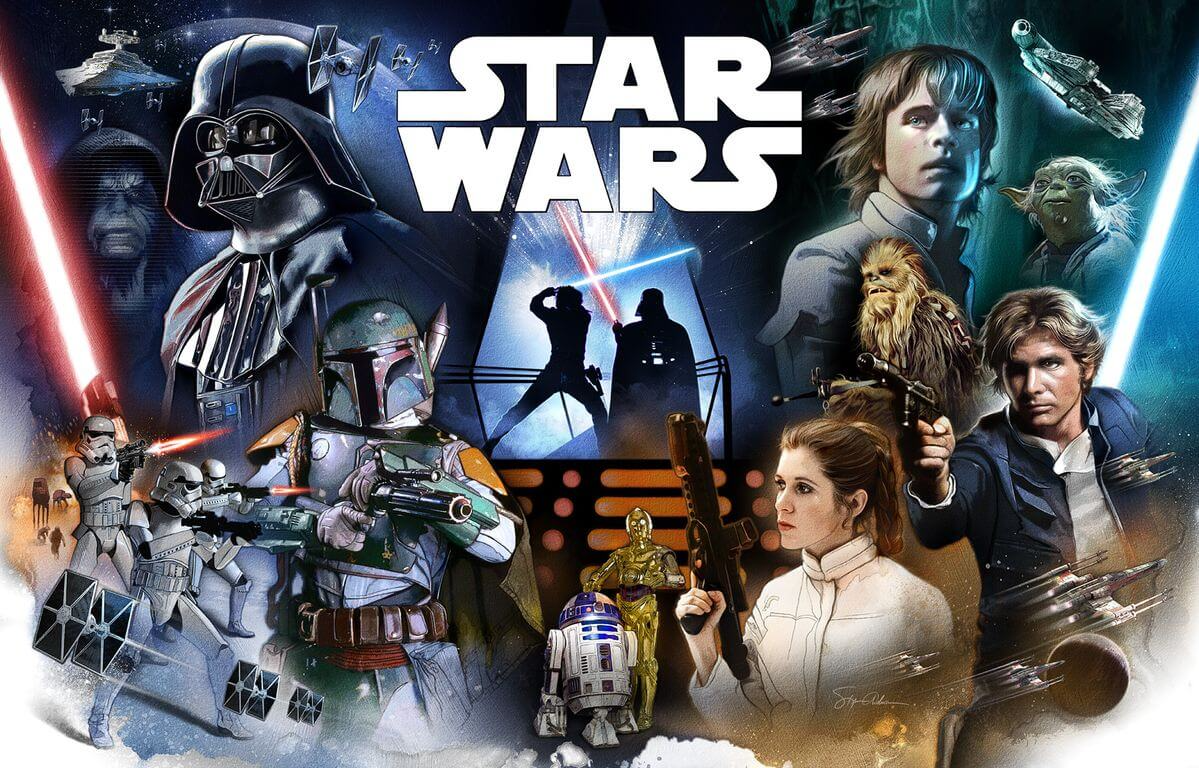
Peace Became an Illusion
In an effort to avoid repeating the sins of the past, the New Republic chose demilitarization. War fleets were dismantled, power was decentralized, and the belief spread that large-scale conflict belonged to history. This decision, while morally admirable, proved strategically disastrous.
The Force Awakens reveals the consequences with brutal efficiency. The Republic is wiped out not after years of struggle, but in a single moment. Its destruction feels less like a defeat and more like exposure—proof that peace had become a comforting illusion rather than a protected reality.
The Empire Never Truly Died
Star Wars quietly suggests that ideologies do not vanish just because regimes fall. Imperial loyalists escaped justice, military leaders vanished into the Unknown Regions, and the philosophy of order through fear endured. The First Order was not a sudden resurrection of evil—it was a continuation, refined and emboldened by neglect.
The New Republic’s greatest mistake was believing that time alone would heal the galaxy. In ignoring the remnants of the Empire, it allowed resentment and authoritarian ambition to grow unchecked.
When Legends Lose Their Power
Even Star Wars’ most iconic heroes reflect this era of decline. Leia Organa’s warnings are dismissed as paranoia. Luke Skywalker, the symbol of hope itself, withdraws from the galaxy entirely. Without Jedi, without visible guardians, belief fades. The Force remains, but faith in it does not.
This absence of symbols leaves the galaxy directionless. Star Wars, once a saga of clear myths, becomes a story of uncertainty and lost meaning.
A Cycle the Galaxy Refuses to Break
Perhaps the most unsettling message is how familiar everything feels. The Republic ignores warnings. Power rises in the shadows. Ordinary citizens remain unaware until it is too late. The films suggest that the galaxy’s true enemy is not the Sith or the Empire—but collective complacency.
Evil does not return because it is powerful. It returns because it is underestimated.
What This Says About the Future of Star Wars
This era marks a shift in Star Wars storytelling. The saga is no longer about defeating a single villain, but about confronting failure, responsibility, and historical amnesia. The fall of the New Republic reframes the entire franchise: victory is not an ending—it is a test.
As Star Wars moves forward, its most compelling stories may no longer ask who will win, but who will remember the cost of forgetting.
The Rebels won the war.
But the galaxy lost the lesson.
And that may be Star Wars’ boldest truth yet.